Want to manage your small studio efficiently? Transform your space with simple organization habits and smart space utilization tips. Discover practical solo living management know-how that's easy to implement even in a busy daily routine.

H2. Big Dreams, Small Spaces: Starting Your Solo Journey
Embarking on independent living, especially in a compact space, often begins with excitement. However, the realities of limited storage, quickly accumulating items, and a lack of dedicated tidying time can soon set in. What starts as minor disarray, often dismissed with an 'I'll get to it later,' can swiftly morph into an overarching source of daily stress. In a studio or small apartment, every item's placement becomes crucial. But don't fret! Key solo living hacks revolve around cultivating 'simple organization' habits and embracing 'efficient space utilization.' You don't need a grand overhaul. The journey starts by picking one tiny goal to transform your space today. For instance, you could begin by putting away just three items currently out of place.

H2. The Mental Toll of a Disorganized Environment
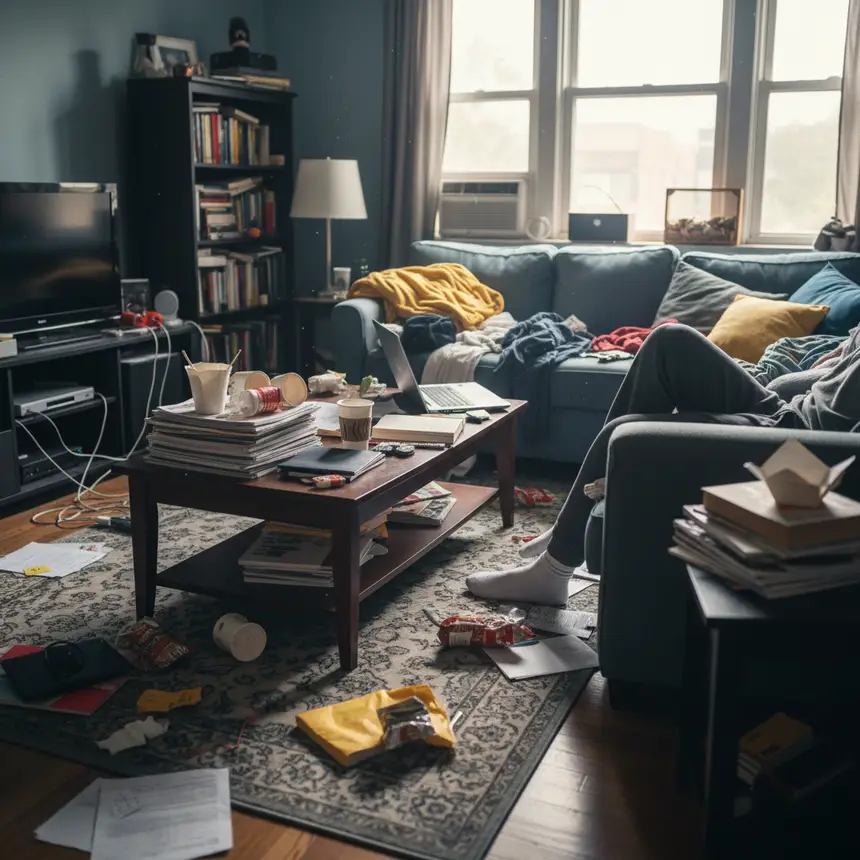
While our homes should be havens of comfort and relaxation, a cluttered, disorderly environment can ironically become a significant source of stress. Each time an item isn't returned to its designated spot, it contributes to visual chaos and time wasted wondering, 'Where did I put that?' In a small solo dwelling, these issues are magnified. Searching for one item often leads to disturbing others, creating a cycle where the thought of cleaning and organizing becomes overwhelming. This isn't just about messiness; it can amplify feelings of helplessness and fatigue. Think of how postponing dishwashing can make the entire kitchen unusable, leading to a reliance on takeout. Try taking a photo of your most cluttered area or simply closing your eyes and visualizing how your space impacts your mood.
※ This post contains affiliate links. I may earn a commission at no extra cost to you.


H2. Smart Strategies for Space and Order in Solo Living
Effective solo living management hinges on three core strategies. First, 'vertical space optimization.' This means actively using wall space or the area behind doors. For example, shelf units or over-the-door storage pockets can free up precious floor space. Second, 'giving every item a home.' Designate a fixed storage spot for everything you own and make it a habit to return items there immediately after use. Frequently used items like remote controls or keys can be conveniently gathered in a small basket or tray. Third, 'regular decluttering.' Adopt the 'one in, one out' rule: whenever you buy a new item, discard an old one of similar purpose. It's essential to boldly get rid of items you don't use or rarely reach for to prevent unnecessary accumulation. Consistently practicing these three principles forms the foundation for the most effective 'simple organization' and 'space utilization' among solo living hacks. Start by installing a vertical organizer in just one kitchen drawer.

H2. Small Habits, Big Impact: Your Action Guide
Rather than intricate organizing systems, it's the small, ingrained habits that drive real change in your daily life. Here are actionable steps you can start today:
- 1. Cultivate a '10-Minute Tidy' habit: Every evening before bed, or before heading out, dedicate just 10 minutes to putting visible items back in their places. You'll be surprised how much you can accomplish, and it leads to a fresher start the next morning.
- 2. Start with one drawer or one shelf: Attempting to organize everything at once can be overwhelming. It's more effective to experience the satisfaction of perfectly organizing a small area, which then motivates you to tackle the next.
- 3. Organize with flow in mind: Store frequently used items within easy reach, and less common ones further back, to enhance 'space utilization' efficiency. For instance, limit your bedside table to just your current book and phone charger.
- 4. Embrace the art of emptying: Designate a 'monthly declutter day' to review your wardrobe or drawers. Boldly part with items you haven't used in six months or more; this is key to 'simple organization.' Make it a routine to put away 5 items before getting into bed each night.

H2. Sustaining a Serene Space for Your Well-being
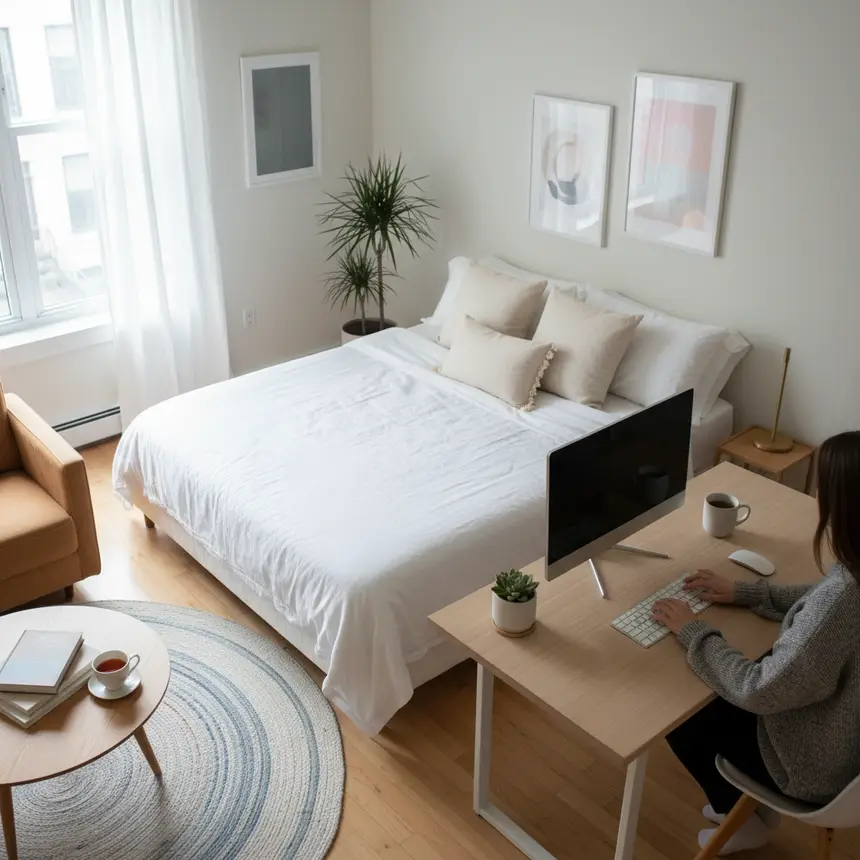
A clean and organized solo living space is more than just a physical environment; it positively influences our minds and daily attitudes. As a cluttered space becomes tidy, stress diminishes, and our attachment to and satisfaction with our living area grow. It's akin to the relief one feels after completing a long-overdue task. Of course, a single organizing session doesn't guarantee perpetual perfection. The most crucial aspect of 'solo living hacks' is consistency. However, the 'simple organization' habits formed through small, consistent efforts will undoubtedly make your daily life more relaxed and pleasant. Choose one method presented today that best suits your situation and start right now. Change begins with a small step.
Frequently Asked Questions
Q. For a small studio, where is the most effective place to start organizing?
A. Instead of trying to do everything at once, start with the most frequently used areas (e.g., around your bed, on your desk) or the most visibly cluttered spots. Small successes build momentum for the next steps.
Q. It feels like even if I throw things away, they accumulate again. What can I do?
A. Try applying the 'one in, one out' principle. When you buy a new item, make it a habit to discard an existing item of similar purpose. This prevents excessive accumulation.
Q. Any practical tips for building organizing habits in a busy daily life?
A. Establishing a daily '10-minute tidy' or adopting an 'instant tidy' habit—putting items back immediately after use—is effective. Small daily tidying reduces the burden of a big weekend clean.
Q. How can I maximize a small space without much furniture?
A. Actively utilize vertical space. Wall-mounted shelves, over-the-door storage pockets, and under-bed storage containers can help free up floor space and store items efficiently.
Q. What's the most important principle for maintaining tidiness after organizing?
A. The most crucial principle is to create a 'fixed home' for every item and consistently return it to that spot after use. When items have their designated places, the space can naturally remain organized.