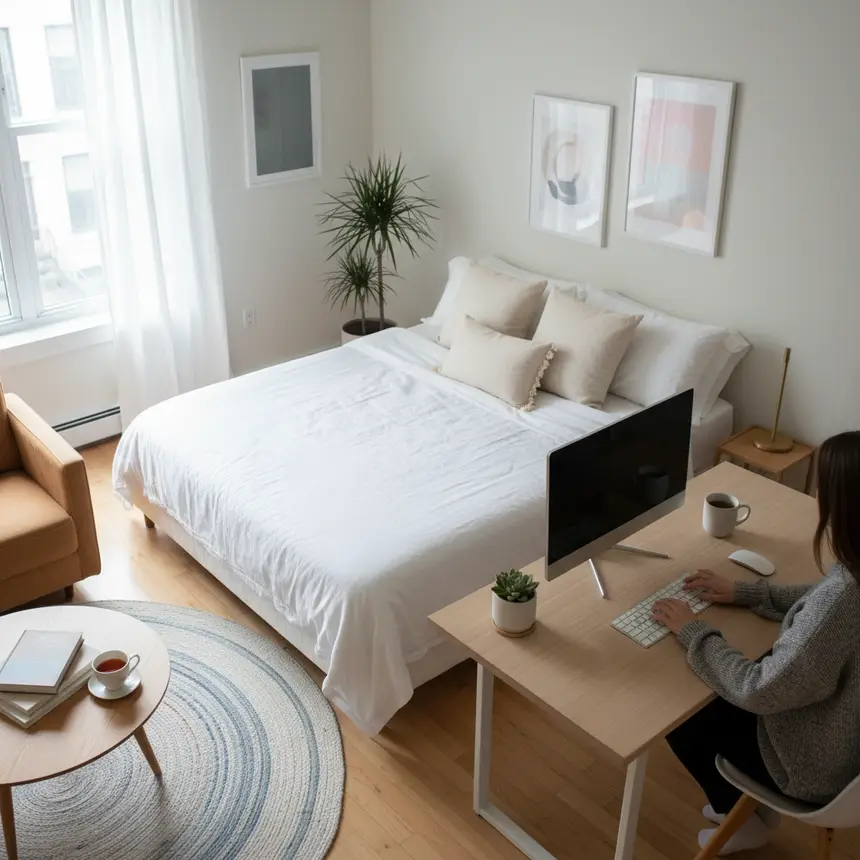
Struggling with persistent odors in your apartment? Discover practical tips and effective strategies for managing stale air and creating a refreshingly clean living environment. Transform your small space into a haven of fresh air.

Why Do Small Apartments Trap Unpleasant Smells?
Living in a compact apartment often comes with unique challenges, especially when it comes to maintaining fresh indoor air. Limited natural light, reduced airflow, and restricted ventilation are common issues that can lead to moisture buildup and stale air. Add to this the everyday odors from cooking, laundry, and items stored in closets or shoe racks, and you have a recipe for persistent, unpleasant smells. Simply opening a window for a few minutes or relying on perfumed air fresheners rarely tackles the root cause of these complex odors. For many renters, this struggle with apartment air quality is a relatable reality. To cultivate a truly comfortable living environment, it’s essential to move beyond basic ventilation and consider more targeted strategies tailored to your specific space.

Smart Strategies for Air Purification
Effective indoor air management moves beyond merely masking odors with fragrances; it focuses on actively absorbing and neutralizing the odor molecules themselves. This approach utilizes advanced materials with microscopic porous structures designed to trap and lock away airborne pollutants. For instance, solid-state absorbents featuring ultra-fine pores can efficiently capture a broad spectrum of volatile organic compounds (VOCs) and even formaldehyde (HCHO), which are common sources of household odors. Beyond just odor elimination, these innovative materials often double as dehumidifiers, drawing excess moisture from the air to combat that common musty smell in apartments. Many such solutions are crafted from naturally derived components like silica, alumina, and magnesia, ensuring safety without relying on harsh chemicals. Opting for solid-form purifiers over sprays or liquids also eliminates concerns about spills or airborne residues, making them a safe and consistent choice for compact living areas. The key is to prioritize solutions that actively absorb odor molecules over those that simply cover them up.
※ This post contains affiliate links. I may earn a commission at no extra cost to you.


Integrating Air Purification into Your Daily Living
To truly transform your living space, strategic placement and consistent maintenance of your air purification items are paramount. Position these solutions in areas prone to odor buildup, such as inside shoe cabinets, wardrobes, under the kitchen sink, or even beside your bed where air can stagnate. Installation is typically straightforward—often just unwrapping and placing the item where needed. A significant advantage of many solid-form purifiers is their reusability. After a period of use, if you notice a decrease in effectiveness, many can be revitalized by soaking them in hot water for about 10 minutes and then drying them thoroughly in direct sunlight. This simple process can restore their absorbing capabilities, extending their lifespan for several years, making them both economical and sustainable. These small, deliberate actions contribute significantly to reducing mustiness and maintaining a consistently fresh and inviting atmosphere. A clean-smelling home not only boosts your confidence when hosting guests but also enhances your overall comfort and enjoyment of your living space.
Frequently Asked Questions
Q. Why are odors so common and difficult to get rid of in small apartments?
A. Small apartments often have limited ventilation and can accumulate a mix of smells from cooking, laundry, and everyday items. Restricted airflow and potential humidity issues create an environment where odor molecules linger, making them hard to eliminate through simple ventilation.
Q. How do odor-absorbing products work differently from typical air fresheners?
A. Air fresheners primarily mask odors with fragrance. Odor-absorbing products, in contrast, utilize materials with porous structures to chemically or physically trap and neutralize odor molecules, addressing the root cause of the smell rather than just covering it up.
Q. Can these solutions help with humidity issues in my apartment as well?
A. Yes, many advanced odor-absorbing materials are also effective at drawing excess moisture from the air. By reducing humidity, they help combat the damp, musty smells often associated with small, poorly ventilated spaces.
Q. What's the typical lifespan of an odor-absorbing product, and can it be reused?
A. The lifespan varies by product, but many solid-state odor absorbers are designed for extended use. Some can be 'recharged' by exposing them to heat or sunlight, which refreshes their absorbing capacity, allowing them to be reused for several years.
Q. How can I ensure the air purification products I choose are safe for my living space?
A. Look for products made from natural, non-toxic ingredients, free from artificial fragrances, phthalates, and other harsh chemicals. Solid-form absorbers are generally a safer choice as they don't release airborne particles or liquids, making them suitable for households with pets or children.