Navigate independent living with ease through smart grocery shopping and effective meal planning. Discover practical kitchen management tips to reduce unnecessary spending and maintain healthy eating habits.

Breaking Free from the Grocery Grind in Independent Living
For those navigating life on their own, meal preparation and grocery management often top the list of daily challenges. Juggling a busy schedule while consistently preparing healthy, balanced meals can feel overwhelming. The common scenario of an unplanned grocery run ballooning into unexpected expenses, or discovering wilted produce forgotten in the fridge, is a familiar frustration for many. This recurring burden of kitchen management can, unfortunately, diminish the overall quality of independent living. Habits like impulsive shopping without a clear meal strategy, or buying items purely based on a 'good deal,' frequently lead to increased food costs and unnecessary waste. Taking a moment to reflect on your current grocery purchasing and management routines could be the first step towards a more efficient and enjoyable home life.
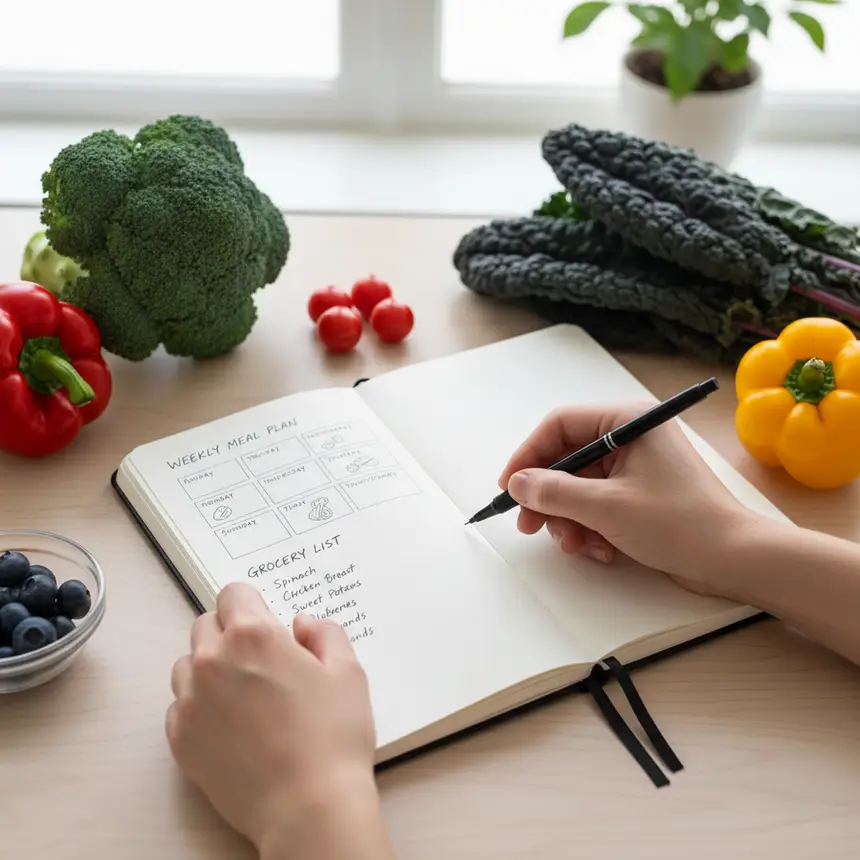
Unpacking the Core Issue: The Impact of Unplanned Habits
The primary reason many struggle with grocery management stems from a lack of clear planning. Much like being tempted by an enticing display and adding various items to your cart, impulsive purchases can significantly impact your living expenses. It's common to buy a large quantity of convenient foods, only to find they don't suit your appetite or taste, leading to leftovers or expiration. This principle extends to pet care as well. Choosing pet supplies without considering your pet's health or preferences, beyond just the price, can result in wasteful spending. To effectively manage an independent lifestyle, it's crucial to examine these unplanned habits and develop strategies tailored to your needs. Start with a simple change: before your next shopping trip, determine the essential items you need and identify potential substitutes for flexibility.
※ This post contains affiliate links. I may earn a commission at no extra cost to you.

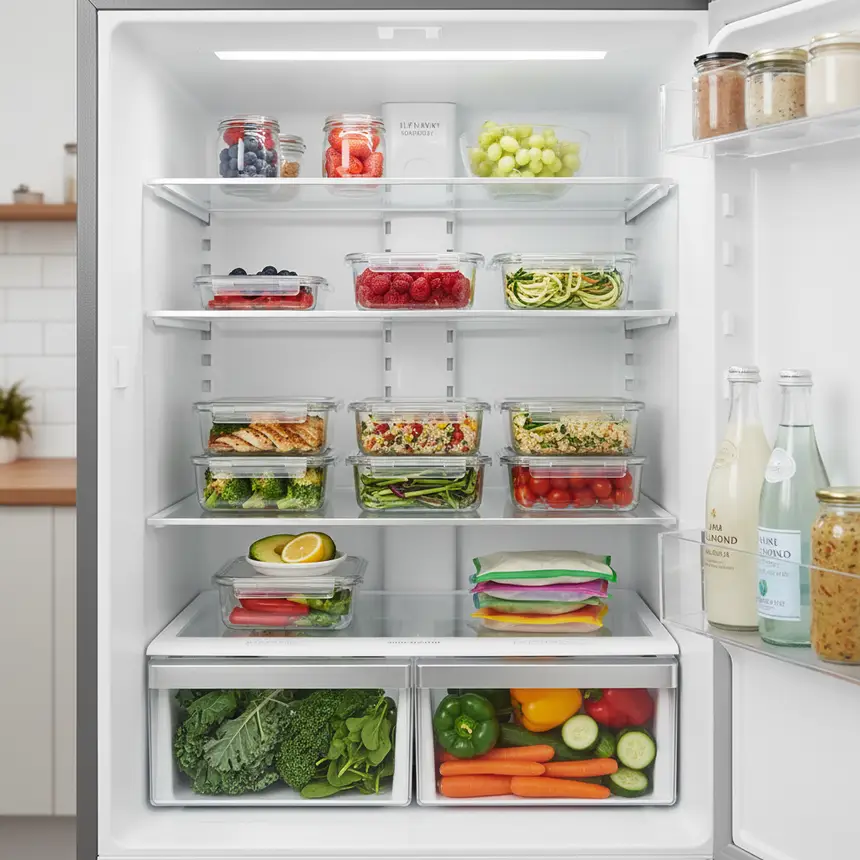
Practical Kitchen Optimization: Smart Choices and Storage Solutions
Let's explore actionable strategies to enhance your kitchen management. Firstly, cultivate the habit of planning your groceries in advance and portioning larger purchases for storage. For example, ingredients for a larger meal can be cooked, then any leftovers immediately stored in airtight containers and frozen, preserving freshness and making future meals effortless. Secondly, beyond specific meal ingredients, maintaining a stock of versatile staples (like assorted vegetables, grains, and protein sources) is key. Thirdly, when selecting treats or food for your pets, it's wise to carefully review ingredients and recommended serving sizes. If buying in bulk, understand proper storage methods to maintain freshness. By paying a little extra attention to these details, you can boost the efficiency of both your kitchen and your overall lifestyle. Begin today with strategic purchasing and organized storage to create a cleaner, more convenient independent living experience.
Frequently Asked Questions
Q. What are realistic tips for saving money on groceries while living alone?
A. The most crucial step is to create a weekly meal plan and a corresponding grocery list. Additionally, utilizing seasonal ingredients and buying in bulk to portion and freeze can significantly reduce food waste and save on costs.
Q. Do you have any tips for keeping groceries fresh longer?
A. For vegetables, remove excess moisture, wrap them in paper towels, and store them in airtight containers. Meats should be portioned into single servings and frozen. Make it a habit to seal opened condiments immediately and store them in the refrigerator.
Q. How can I effectively reduce food waste when cooking for one?
A. Consider buying smaller quantities or utilizing 'meal prep' by cooking larger batches and dividing them for multiple meals. Also, find creative ways to use leftover ingredients in different dishes or freeze them to extend their shelf life.
Q. What are the smart criteria for choosing pet food and treats?
A. It's vital to check the ingredients and nutritional balance suitable for your pet's age, activity level, and health condition. Adhere to the product's recommended feeding guidelines, and if buying in bulk, store items in airtight containers to protect against moisture and pests.