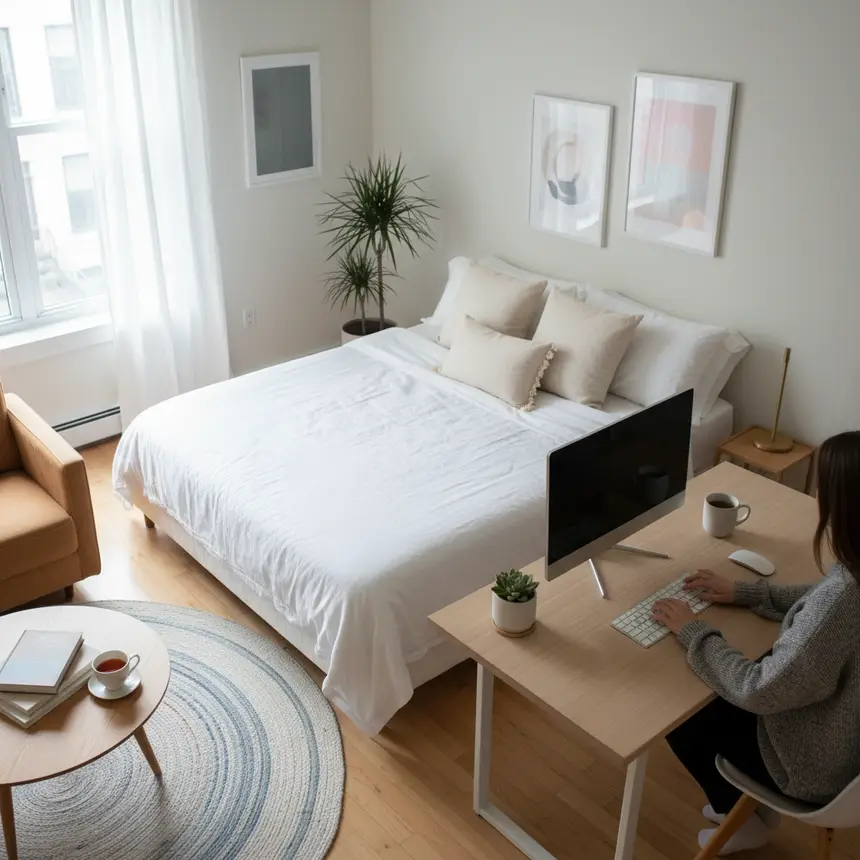
Is your home office wall showing signs of wear and tear? Discover practical tips to keep your computer desk area clean and your posture aligned. Learn smart space management for a healthier, more comfortable living and working environment.

The Unseen Battle Under Your Desk: Why Your Walls Take a Beating
For many of us, the computer desk isn't just a piece of furniture; it's a command center, a creative hub, and often, a dining spot. Yet, a closer look might reveal an unexpected casualty: the wall directly beneath it. Over time, scuff marks, discoloration, or even minor abrasions can appear, detracting from an otherwise tidy space. This wear and tear often stems from unconscious habits, like crossing legs or resting feet against the wall, especially during long hours of work or gaming. These seemingly harmless actions don't just damage your wall; they can also contribute to poor posture, leading to discomfort in your neck and back over time. Recognizing these patterns is the first step toward creating a more harmonious and healthy home office environment, where both your space and your well-being are preserved.
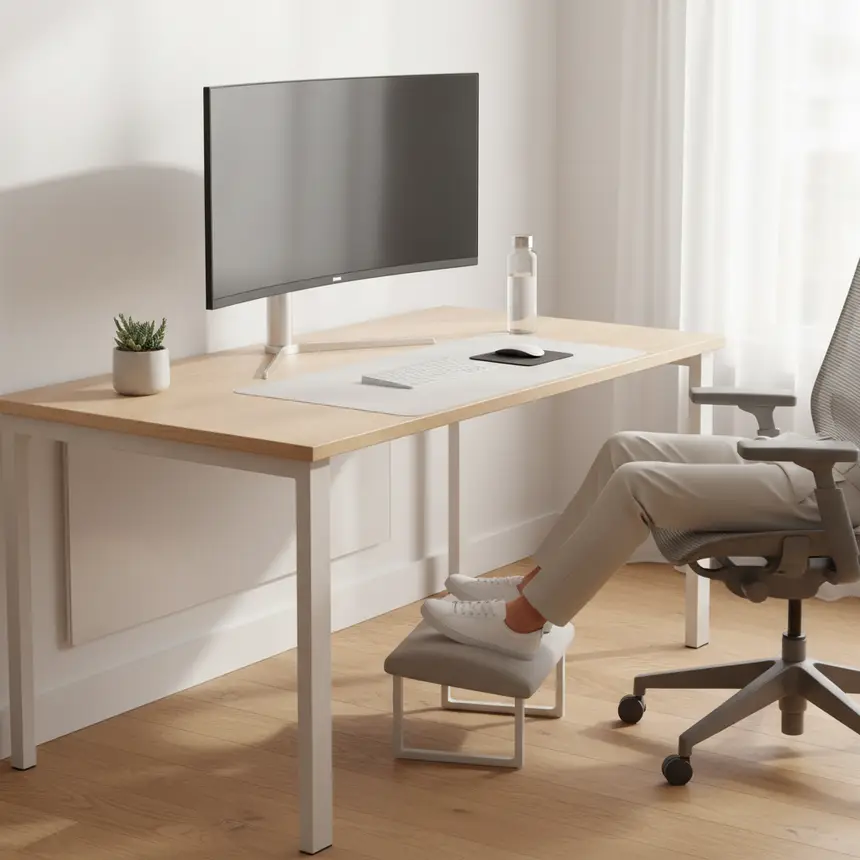
Dual Benefit: Protecting Your Walls While Perfecting Your Posture
Wall damage around your computer desk isn't just an aesthetic annoyance; it can be costly to repair and diminish your living space's appeal. Simultaneously, prolonged periods of sitting with poor posture can lead to physical imbalances and chronic pain. How can we address both challenges effectively? The solution lies in a proactive approach centered on 'prevention' and 'awareness'.
- Wall Protection: For standard painted or wallpapered surfaces, consider applying easily removable and durable protective coverings. Options like transparent adhesive films, peel-and-stick decorative panels, or even washable, reusable wall guards can create a barrier against daily contact. While initial setup might require some effort, these solutions significantly reduce long-term cleaning and maintenance. Strategically positioning your desk slightly away from the wall or using a chair with built-in wall guards can also help mitigate direct contact.
- Posture Improvement: Cultivating the habit of regular posture checks while working is crucial. Ensure your monitor height, chair recline, and keyboard/mouse positions are ergonomically aligned. Incorporate frequent stretching breaks. Crucially, prevent your feet from dangling by using a footrest or ensuring your feet are comfortably flat on the floor. This not only discourages wall contact but is also fundamental for maintaining spinal health.
※ This post contains affiliate links. I may earn a commission at no extra cost to you.

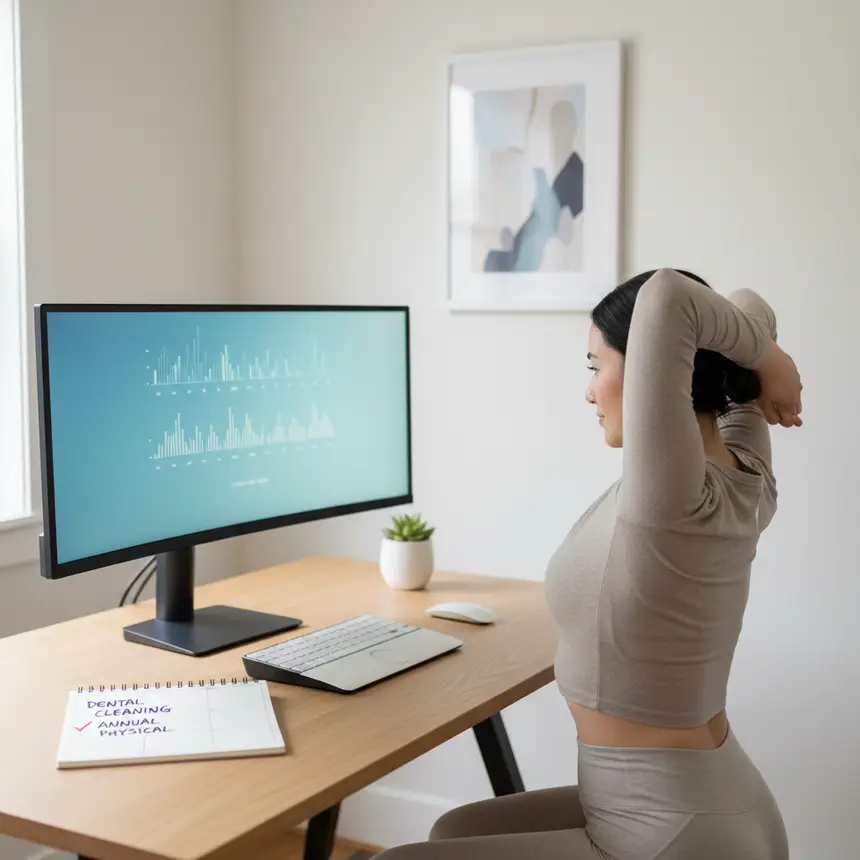
Establishing a Proactive Desk Area Routine for Sustained Well-being
Sustainable home management isn't built on grand gestures but on consistent, small routines. Here are some actionable steps to maintain a pristine computer desk area and cultivate better posture:
1. Morning Posture Check: Before diving into your day, take a moment to confirm your chair height, monitor alignment, and foot placement. Starting with proper posture sets a positive tone for your entire workday.
2. Weekly Workspace Tidy-Up: Dedicate a short period each week to inspect the wall behind your desk. Gently wipe down any protective coverings and check for wear. Organize any items on and around your desk to minimize unnecessary reaching or shifting that might lead to wall contact.
3. Monthly Space Reassessment: Once a month, pull your chair back and thoroughly examine the area beneath your desk. Check the condition of any wall protectors and address minor repairs. This is also an excellent opportunity to clean chair wheels and organize cables, contributing to overall tidiness.
4. Regular Movement Breaks: Aim to stand up and move every hour. Simple stretches for your neck, shoulders, and lower back can relieve muscle tension and improve circulation. This also naturally reduces the likelihood of resting your feet against the wall.
Consistently implementing these routines will gradually transform your computer desk area into a cleaner, healthier, and more supportive environment.
1. Morning Posture Check: Before diving into your day, take a moment to confirm your chair height, monitor alignment, and foot placement. Starting with proper posture sets a positive tone for your entire workday.
2. Weekly Workspace Tidy-Up: Dedicate a short period each week to inspect the wall behind your desk. Gently wipe down any protective coverings and check for wear. Organize any items on and around your desk to minimize unnecessary reaching or shifting that might lead to wall contact.
3. Monthly Space Reassessment: Once a month, pull your chair back and thoroughly examine the area beneath your desk. Check the condition of any wall protectors and address minor repairs. This is also an excellent opportunity to clean chair wheels and organize cables, contributing to overall tidiness.
4. Regular Movement Breaks: Aim to stand up and move every hour. Simple stretches for your neck, shoulders, and lower back can relieve muscle tension and improve circulation. This also naturally reduces the likelihood of resting your feet against the wall.
Consistently implementing these routines will gradually transform your computer desk area into a cleaner, healthier, and more supportive environment.
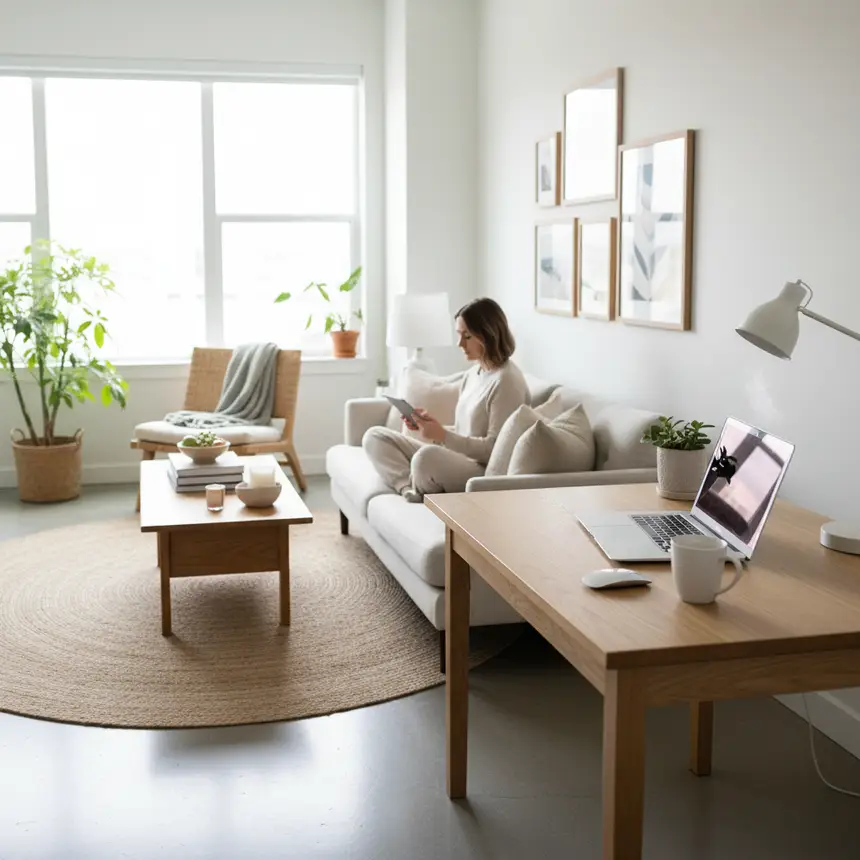
The Positive Ripple Effect of Mindful Workspace Management
Managing your computer desk environment and maintaining good posture extends far beyond superficial aesthetics; it profoundly impacts your daily life. A clean, organized space fosters psychological calm and boosts concentration. Furthermore, a correct posture reduces physical fatigue and lays a crucial foundation for long-term health.
In the context of self-managed living, curating your personal space holds significant meaning. What might seem like trivial management habits cumulatively create a more comfortable and efficient living environment. Begin today by incorporating a few of the suggested tips, and watch as your computer desk area becomes a healthier, more inviting space. This mindful effort is an intelligent investment that will undoubtedly elevate your overall quality of life.
In the context of self-managed living, curating your personal space holds significant meaning. What might seem like trivial management habits cumulatively create a more comfortable and efficient living environment. Begin today by incorporating a few of the suggested tips, and watch as your computer desk area becomes a healthier, more inviting space. This mindful effort is an intelligent investment that will undoubtedly elevate your overall quality of life.
Frequently Asked Questions
Q. Why do walls under computer desks get dirty so often?
A. It's typically due to unconscious habits like resting or rubbing feet against the wall while sitting, or shoes/socks brushing the surface when crossing legs. This constant friction and accumulation of dust leads to discoloration and marks.
Q. Are there alternatives to transparent protective films for wall protection?
A. Yes, besides transparent films, you can use decorative peel-and-stick panels, thin wooden boards, or acrylic sheets to create a barrier. The key is to prevent direct contact without damaging the original wall surface.
Q. How does good posture help prevent wall damage?
A. Maintaining good posture naturally reduces the tendency to rest or rub your feet against the wall. When your feet are comfortably placed on the floor or a footrest, you're less likely to interact with the wall, thus preventing scuffs and dirt.
Q. How should I arrange my desk in a small studio to optimize space and prevent wall damage?
A. Instead of pushing the desk flush against the wall, leave a small gap for airflow and easier cleaning access. For furniture that must be near a wall, consider attaching protective pads or bumpers to minimize direct contact and potential damage.