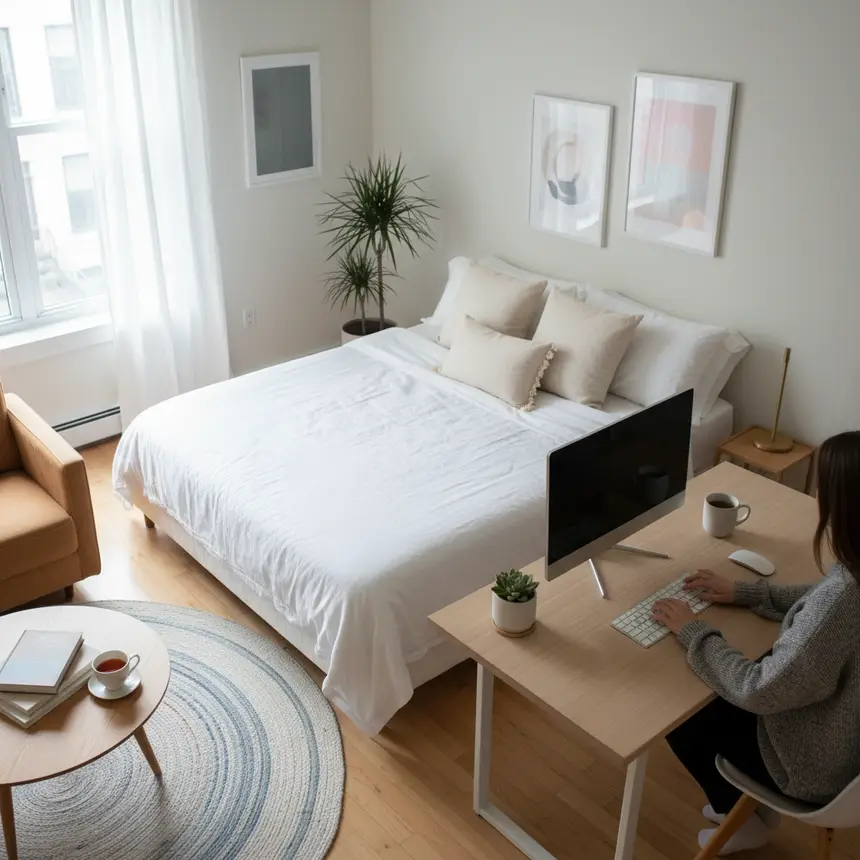
Beat the winter chill without breaking the bank! Discover practical tips for managing your home's energy consumption and staying cozy, especially when living solo. Make your space efficient and comfortable.

Embracing Winter: Solo Living and the Quest for Warmth
As the chill deepens and mornings demand an extra layer, winter brings a unique set of challenges for those managing their own living spaces. The desire for a warm, cozy home often clashes with the dread of skyrocketing utility bills. This season, when heating expenses typically peak, savvy energy management and simple lifestyle adjustments can make all the difference. Imagine a snug haven without the financial strain. Let's explore practical ways to optimize your home's warmth while keeping costs in check. Start by simply checking your indoor temperature right now.
Unpacking Hidden Energy Drainers: Is Your Home Efficient?
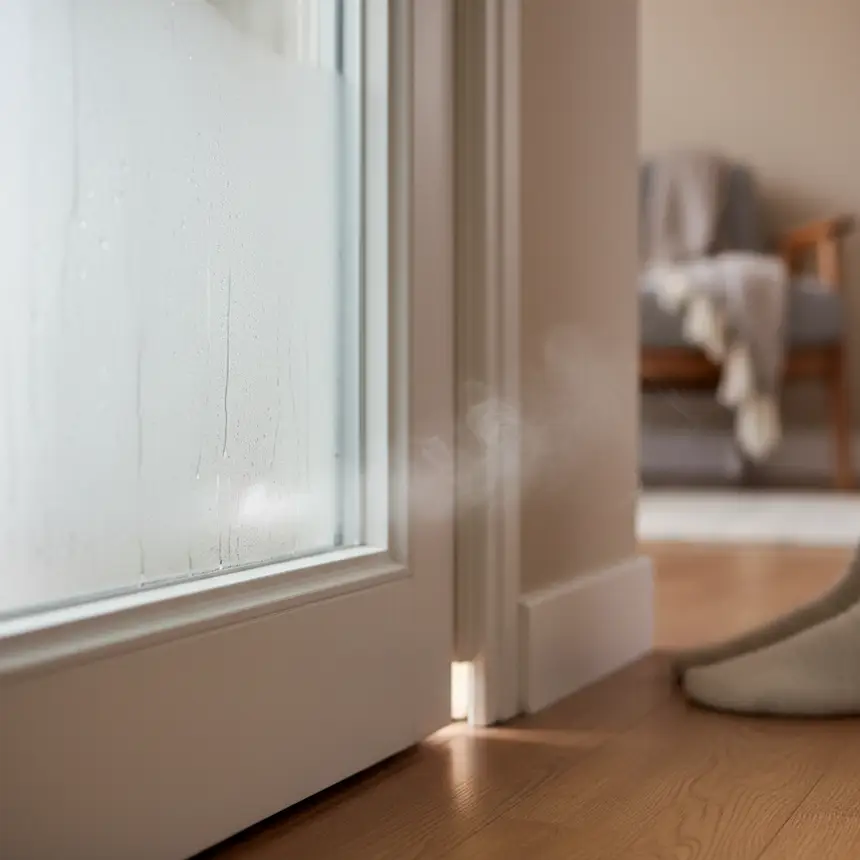
Do you ever wonder why your heating bill remains stubbornly high despite your best efforts to conserve? Often, energy silently slips away from your home due to unnoticed inefficiencies. For solo dwellers, issues like inadequate insulation, drafts from old windows, and inefficient heating system usage are common culprits. Small gaps under doors or around window frames can allow precious warmth to escape, while cold air seeps in. These seemingly minor factors can accumulate, leading to surprisingly hefty energy statements. To prevent unnecessary expenditure, it's crucial to thoroughly inspect your home for potential heat loss. Simple solutions like weatherstripping or window film can significantly improve insulation.
※ This post contains affiliate links. I may earn a commission at no extra cost to you.

Cultivating Energy-Smart Habits for a Cozier Home
Efficiently managing your home's energy is key to keeping winter heating costs down. Even minor changes in routine can yield significant results.
- Heating System Maintenance: Regularly inspect and clean your heating unit's pipes to enhance thermal efficiency. Blockages can impede heat transfer and increase energy consumption.
- Leverage Thermostat Modes: When leaving home for an extended period, utilize an 'away' or 'vacation' mode to prevent pipes from freezing and maintain a baseline indoor temperature. This is often more energy-efficient than completely turning off the heat, as reheating a cold home uses more energy. Consider programming your thermostat to start warming up just before you return.
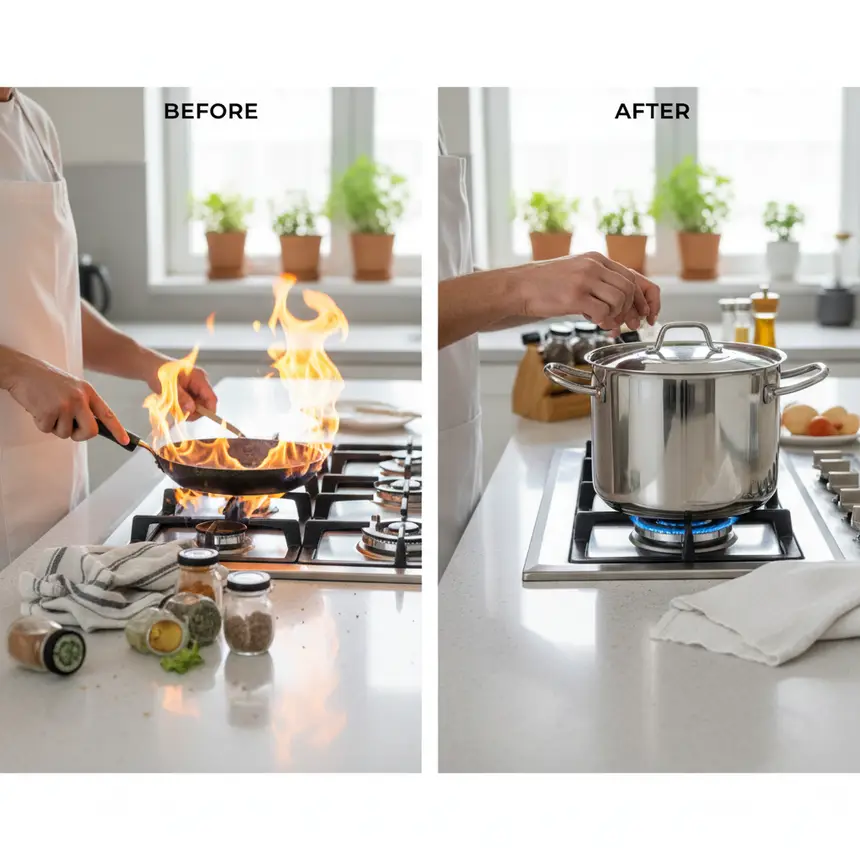
- Kitchen Efficiency: When cooking, match your pot size to the burner, ensuring the flame doesn't extend beyond the pot's base. Using wider-bottomed cookware helps distribute heat more effectively, reducing waste.
- Hot Water Habits: After using hot water, make it a habit to turn the faucet lever towards the cold water side. Leaving it on the hot setting can cause your water heater to continue heating water in the pipes unnecessarily.
- Indoor Environment Management: Open windows briefly once or twice a day for fresh air, and maintain optimal indoor humidity. Humid air feels warmer, so consider using a humidifier or placing a wet towel to boost comfort. Heavy curtains or blinds can also help; open them during sunny hours to let natural warmth in and close them at night to block out the cold.

Daily Steps to a Warmer Home and Lower Bills
Saving on heating isn't about grand gestures, but about consistent, small actions woven into your daily life. Here's a routine to inspire your winter energy plan:
- Morning: After waking, check your indoor temperature and adjust your heating if necessary. Before heading out, always ensure your hot water faucet is set to cold and that all windows and doors are securely closed.
- Daytime (When Away): If you'll be out for several hours, set your thermostat to an 'away' mode or schedule it to warm up before your return. Close heavy curtains to minimize cold air intrusion.
- Evening: Upon returning, resist the urge to crank up the heat. Instead, opt for warm clothing or a cozy blanket to maintain comfort. When cooking, stick to efficient practices, and before bed, lower your thermostat or turn off the heat to avoid wasteful energy use overnight.
- Weekly/Monthly: Don't forget your regular short bursts of ventilation. Plan for periodic heating system checks or pipe cleaning. Inspect weatherstripping around windows and doors for wear and tear, replacing it as needed. Start today by making it a habit to turn your hot water lever to cold each morning.

Empower Your Winter: Small Changes, Big Impact
Winter heating costs are more than just an expense; they're a reflection of how smartly you manage your personal space. The energy-efficient heating and living habits we've discussed might not seem like revolutionary changes, but consistent application can lead to surprisingly substantial savings. Beyond the financial benefits, you'll cultivate a more comfortable and inviting home. Who doesn't dream of a warm, worry-free sanctuary during the cold months? These small actions accumulate, delivering immense satisfaction. This winter, create your own energy-saving checklist and commit to it. May your season be both warm and economical.
Frequently Asked Questions
Q. Why are my heating bills so high in winter?
A. High heating bills often stem from poor insulation (drafty windows, gaps under doors), an inefficient heating system, or habits like completely turning off the heat when leaving, which can lead to higher energy consumption when reheating.
Q. How can I use my thermostat's 'away' setting effectively?
A. 'Away' mode maintains a minimum indoor temperature to prevent pipes from freezing and reduces the energy surge needed to reheat a very cold home. It's often more efficient for longer absences than fully shutting off the heat.
Q. What's the ideal indoor temperature for winter?
A. A comfortable and energy-efficient indoor temperature for winter is generally between 68-72°F (20-22°C). Rather than setting it too high, consider wearing warmer clothes or using blankets to boost your comfort.
Q. Are there simple DIY insulation tricks for renters?
A. Yes, effective DIY methods include applying window insulation film, using weatherstripping tape for door and window gaps, and installing thick curtains or blinds to block drafts and retain heat.
Q. Can changing my hot water habits really save money?
A. Absolutely. A simple habit like turning your faucet lever to the cold water side after use prevents your water heater from continuously heating water in the pipes unnecessarily. This small, consistent action can lead to noticeable savings over time.