Discover smart strategies for solo living to avoid the dreaded summer electricity bill shock. Analyze inefficient appliance usage habits and implement practical tips for boosting energy efficiency to enjoy a cool and economical summer.

H2. Battling Summer Heat and Bill Shock: A Common Solo Living Challenge
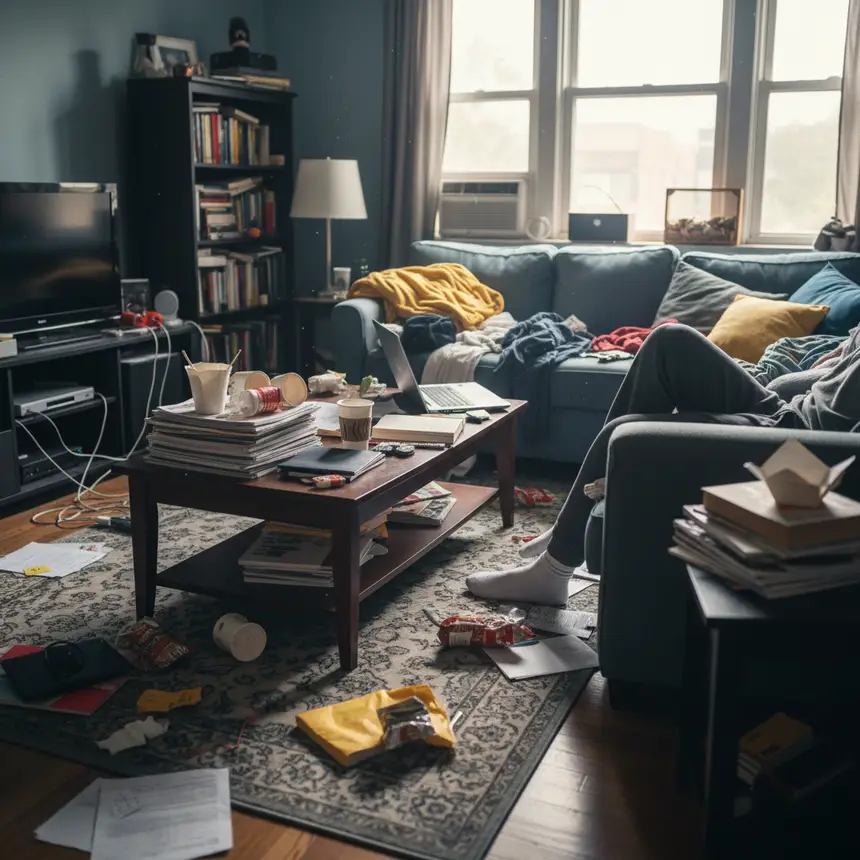
As the scorching summer months arrive, many independent dwellers find themselves dreading the sight of their electricity bill. Staying cool feels essential, but the unexpected surge in utility costs can be a significant financial burden. The scenario of seeing bills jump two or three times higher than usual, leading to hesitation in using cooling appliances, is all too familiar. This struggle between seeking comfort and managing expenses is a shared experience for those living alone. However, is merely 'using less' or 'enduring' the only answer to this dilemma? Effective summer energy management requires more than just frugality; it demands smart habits and a strategic approach.
H2. Unpacking the Real Reasons Behind Soaring Energy Costs: Appliances and Habits
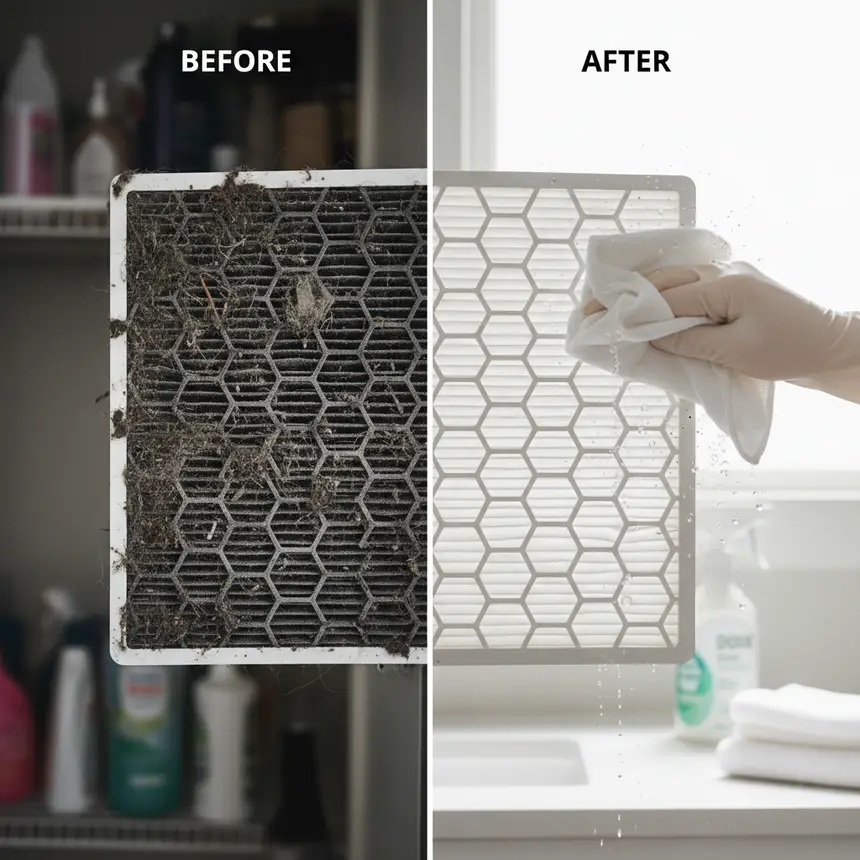
Several key factors contribute to higher-than-expected electricity bills during summer. Firstly, older cooling appliances often consume energy inefficiently. Many older models tend to operate at maximum power to reach a set temperature, then cycle off, only to reactivate at full power when the temperature rises again, leading to considerable energy waste. In contrast, newer, high-efficiency models maintain indoor temperatures steadily by using only the necessary amount of energy, which can reduce the power load even during prolonged use.
Secondly, inefficient usage habits are also a major culprit. Turning off and on your cooling unit every time you leave the house for a short period can actually demand more power during the initial startup phase. Furthermore, setting the indoor temperature excessively low or running the unit with open doors and windows allows cool air to escape, diminishing efficiency and resulting in wasted electricity. When these inefficient appliances and poor usage habits combine, the likelihood of facing an unexpected 'bill shock' increases. A crucial first step is to assess the condition of your appliances and review your daily energy consumption patterns.
Secondly, inefficient usage habits are also a major culprit. Turning off and on your cooling unit every time you leave the house for a short period can actually demand more power during the initial startup phase. Furthermore, setting the indoor temperature excessively low or running the unit with open doors and windows allows cool air to escape, diminishing efficiency and resulting in wasted electricity. When these inefficient appliances and poor usage habits combine, the likelihood of facing an unexpected 'bill shock' increases. A crucial first step is to assess the condition of your appliances and review your daily energy consumption patterns.
※ This post contains affiliate links. I may earn a commission at no extra cost to you.

H2. Practical Energy-Saving Habits for a Smarter Solo Lifestyle
To reduce your summer electricity burden and maintain a comfortable environment, adopting a few practical habits is key. The focus should be on efficient energy use rather than just rigid saving:
- Initial Power Boost, Then Maintain: When first turning on your cooling appliance, set it slightly lower than your desired temperature to cool the room quickly. Once cooled, raising the setting to a comfortable 79-81°F (26-27°C) and maintaining it is more efficient. Minimizing the time spent on rapid cooling and keeping a stable temperature reduces overall energy consumption.
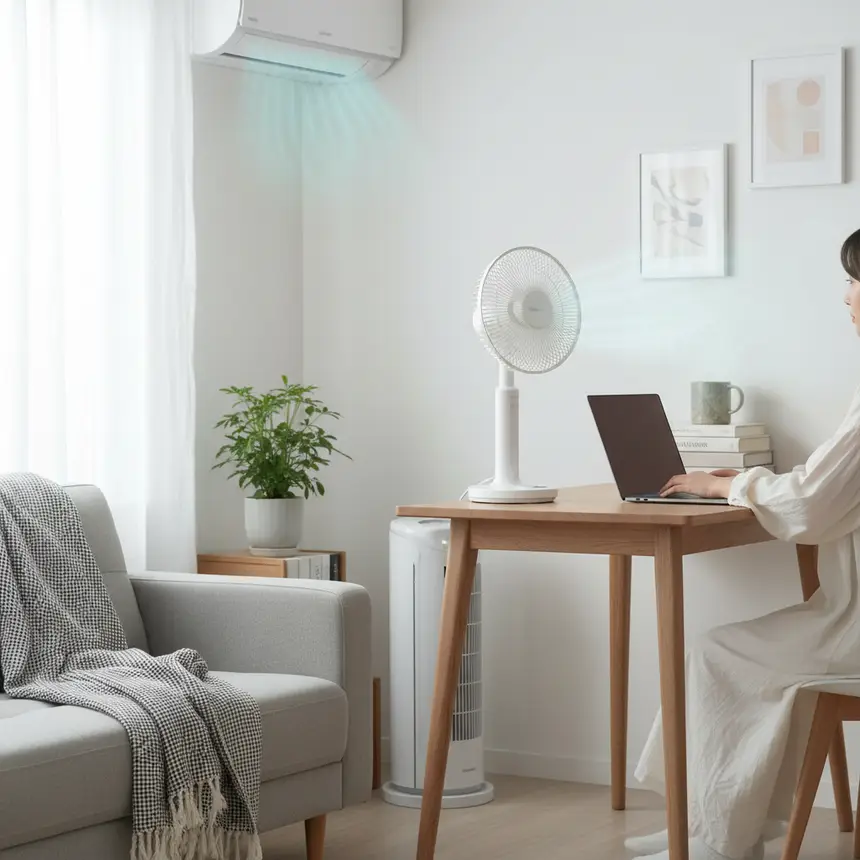
- Utilize Auxiliary Cooling Devices: Using a fan or air circulator alongside your primary cooling unit helps distribute cool air throughout the room. This can make the space feel cooler, allowing you to set a slightly higher temperature while still feeling comfortable, which significantly lowers power consumption.
- Regular Appliance Maintenance: Dust accumulation on your cooling unit's filter obstructs airflow, reduces efficiency, and forces the appliance to consume more power. Cleaning the filter at least every two weeks is recommended to ensure both a pleasant indoor environment and optimal energy efficiency.
- Maintain Enclosed Spaces: While your cooling unit is operating, keep doors and windows closed to prevent cool air from escaping. Even small gaps can lead to cool air loss and unnecessary power consumption. Using curtains or blinds to block out external heat is also highly effective.
Frequently Asked Questions
Q. What are the most basic ways to reduce summer electricity bills?
A. The most basic methods include setting your cooling appliance to a moderate temperature (e.g., 79-81°F or 26-27°C) and using a fan or air circulator to help distribute air. Unplugging electronics when not in use to cut standby power also helps.
Q. Do older cooling appliances significantly impact electricity costs?
A. Yes, older cooling units, especially fixed-speed models, can be less energy-efficient and contribute significantly to higher bills. Considering an upgrade to a newer, high-efficiency model can lead to long-term savings.
Q. Are there tips to save electricity while maintaining a comfortable indoor temperature?
A. Set your thermostat to 79-81°F (26-27°C) and use a fan to circulate cool air, which can make the room feel cooler. Additionally, drawing curtains or blinds during the day to block out external heat is an effective strategy.
Q. Does cleaning the cooling unit filter really help with energy efficiency?
A. Absolutely. A dusty filter restricts airflow, reducing the cooling unit's efficiency and forcing it to work harder and consume more electricity. Regular filter cleaning is crucial for maintaining energy efficiency and saving on your bills.