Struggling with scalp issues as an independent liver? Discover effective hair rinse scalp care. Understand the causes of scalp imbalance like oiliness, odor, and flaking, and learn a practical hair rinse routine for a healthier scalp. Reclaim your confidence with a refreshed scalp.

H2: Recognizing Common Scalp Challenges in an Active Lifestyle
After a workout or a demanding day, it's not uncommon to feel a persistent sense of discomfort at the crown of your head, even after washing your hair. For those leading independent lives, this sensation is often all too familiar. While outwardly everything might seem fine, your scalp can quickly become greasy with sweat and oil, leading to unpleasant odors and a heavy feeling. If you've been struggling with recurring scalp issues that seem to defy regular shampooing, incorporating a 'hair rinse' into your routine could offer a practical solution.
H2: Understanding the Root Causes of Scalp Imbalance
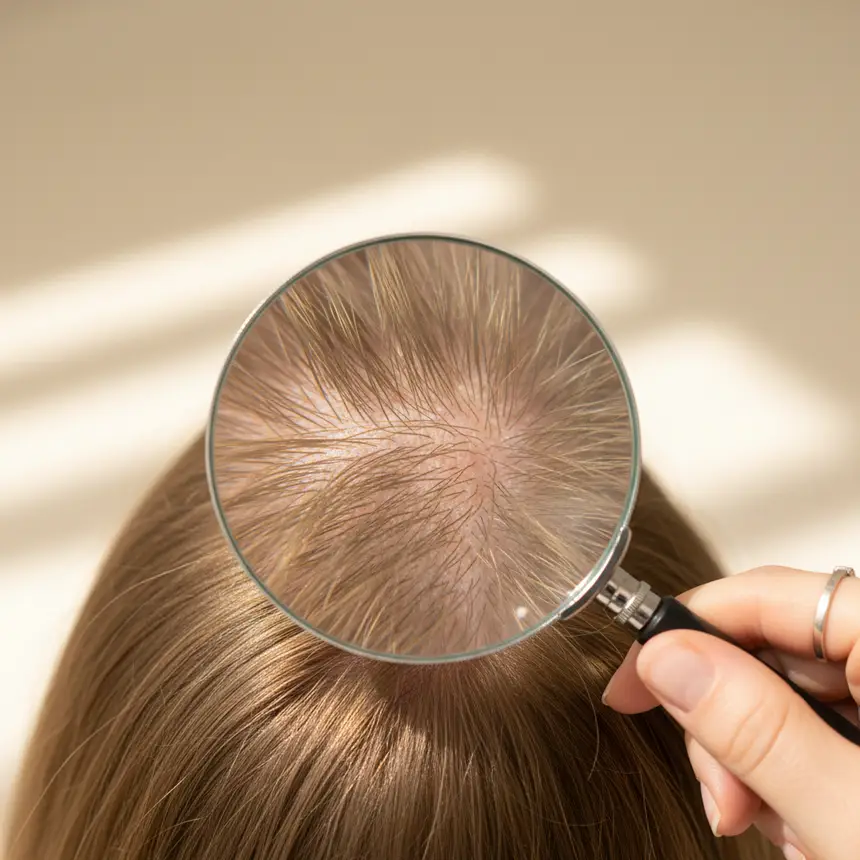
Scalp problems are rarely just about cleanliness; more often, they stem from an imbalance within the scalp environment itself. Oily scalps, in particular, produce excessive sebum, which can easily disrupt the scalp's delicate pH balance. Just as skin can become overly dry or oily, an imbalanced scalp pH often results in excessive oiliness, dead skin cell buildup, itching, and unpleasant odors. If your hair quickly becomes greasy or itchy after shampooing, it's a strong indicator that your scalp's pH might be out of whack. Environmental factors like dust and sweat, coupled with certain lifestyle habits, can further sensitize the scalp.
※ This post contains affiliate links. I may earn a commission at no extra cost to you.

H2: Leveraging Hair Rinses for Effective Scalp Management
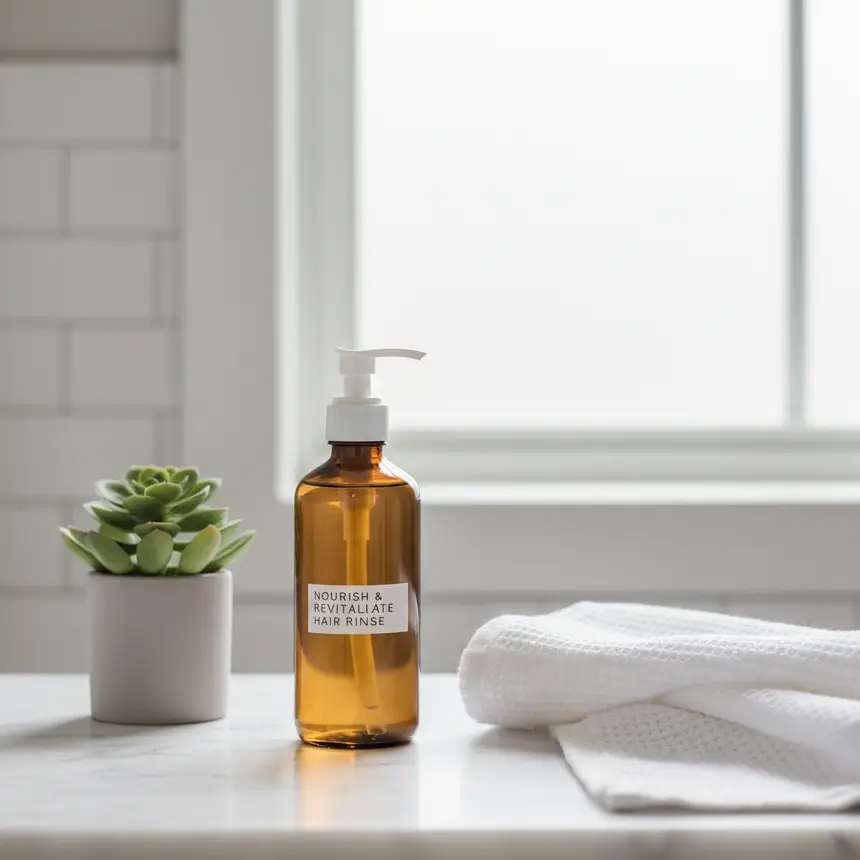
One highly effective method for improving scalp health involves utilizing acidic ingredients. After shampooing, which can often leave the scalp in an alkaline state, an acidic hair rinse helps restore its natural slightly acidic pH. These specialized rinses work to thoroughly cleanse away residual impurities and excess oil, leaving your scalp feeling refreshed. Some formulations include ingredients like AHAs, which gently exfoliate old skin cells, while others may contain caffeine, known to support overall hair health. While the pungent scent of traditional vinegar might be a concern, modern scalp rinses typically feature pleasant fragrances, making them a joy to use. The cooling sensation experienced during a scalp massage can also alleviate heat and invigorate the scalp, contributing positively to stress relief.
H2: Incorporating a Hair Rinse into Your Daily Routine
Here's a straightforward scalp care routine you can consistently follow:
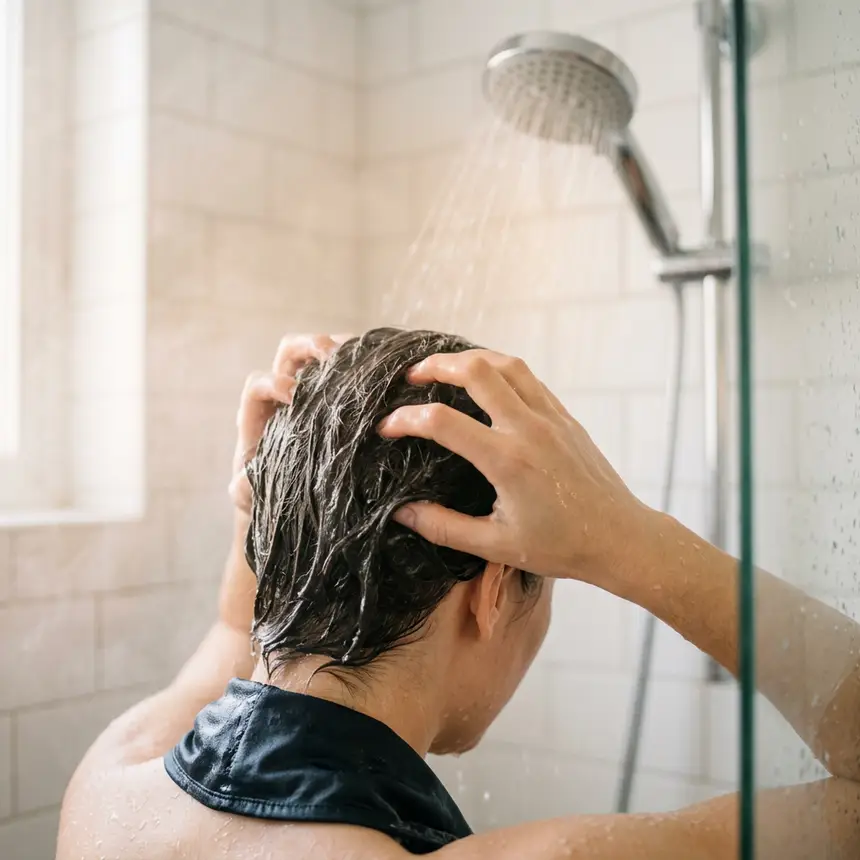
1. Thoroughly Wet Scalp and Hair with Lukewarm Water: Before shampooing or after, gently saturate your scalp and hair with lukewarm water. This aids product absorption and minimizes scalp irritation.
2. Apply Directly to Scalp and Massage: If your hair rinse has a pointed applicator, divide your hair into 3-4 sections and apply the product directly to your scalp. Be careful to avoid getting it in your eyes. Use your fingertips to gently massage your entire scalp, promoting circulation and ensuring even distribution. The cool, refreshing sensation during this step provides immediate relief.
3. Rinse Thoroughly: After massaging, rinse your scalp and hair completely with lukewarm water, making sure no residue remains. Focus on rinsing the scalp meticulously.
Consistent application 2-3 times a week can lead to noticeable improvements in scalp itchiness and dandruff after approximately four weeks. Using it as a final rinse after shampooing can enhance its efficacy.
1. Thoroughly Wet Scalp and Hair with Lukewarm Water: Before shampooing or after, gently saturate your scalp and hair with lukewarm water. This aids product absorption and minimizes scalp irritation.
2. Apply Directly to Scalp and Massage: If your hair rinse has a pointed applicator, divide your hair into 3-4 sections and apply the product directly to your scalp. Be careful to avoid getting it in your eyes. Use your fingertips to gently massage your entire scalp, promoting circulation and ensuring even distribution. The cool, refreshing sensation during this step provides immediate relief.
3. Rinse Thoroughly: After massaging, rinse your scalp and hair completely with lukewarm water, making sure no residue remains. Focus on rinsing the scalp meticulously.
Consistent application 2-3 times a week can lead to noticeable improvements in scalp itchiness and dandruff after approximately four weeks. Using it as a final rinse after shampooing can enhance its efficacy.
H2: The Path to a Healthy Scalp and Enhanced Confidence
Consistent hair rinse scalp care goes beyond simply resolving scalp issues; it significantly elevates your overall quality of life. Reduced scalp oiliness means less greasiness throughout the afternoon, allowing you to go about your day free from concerns about unpleasant odors. Moreover, you'll notice a revitalized feeling at the hair roots, adding volume and vitality to your hairstyle. A healthier scalp means less itching, alleviating daily discomfort. All these benefits contribute to a boost in confidence, making your active, independent life even more vibrant. What might have seemed like a cumbersome scalp routine can now be a smart choice for a fresher, healthier lifestyle.
Frequently Asked Questions
Q. What scalp types benefit most from a hair rinse?
A. Hair rinses are particularly effective for oily scalps that experience excessive sebum production, leading to greasiness and odors. They help balance the scalp's pH and remove impurities.
Q. Are there any precautions to take when using a hair rinse?
A. When applying the product directly to the scalp, be careful to avoid contact with your eyes. For sensitive scalps, it's advisable to perform a patch test with a small amount before full application to check for any irritation.
Q. Should I shampoo again after using a hair rinse?
A. Most hair rinse products are designed to be used either after shampooing as a conditioning step or before shampooing for a targeted scalp massage. It's important to follow the specific instructions provided with your product for proper usage.