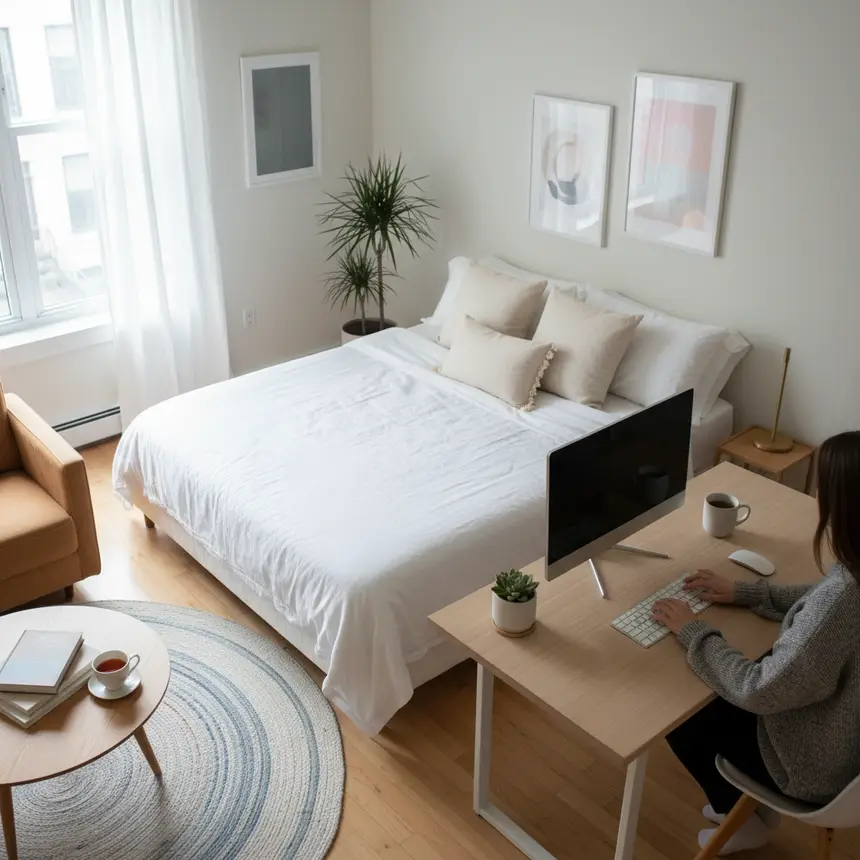
Juggling a busy schedule and healthy eating can be tough. Discover practical meal management tips and simple recipe ideas to prepare balanced, nutritious meals with minimal effort. From maximizing small pockets of time to smart ingredient storage, learn how to build sustainable healthy eating habits.

The Daily Food Dilemma: A Common Scene for Busy Individuals
After a long day of work or study, returning to an empty fridge and a tired body often leads to a familiar ritual: scrolling through takeout apps. It starts as an occasional treat, a quick fix for fatigue, but soon, relying on highly processed, often unhealthy takeout becomes a daily habit. While convenient and tasty in the moment, this pattern can quickly lead to digestive discomfort, low energy levels, and a general feeling of sluggishness. The realization that this isn't sustainable often sparks concern, yet the immediate need for a quick meal often overrides better judgment. This cycle not only impacts physical health but also drains finances and overall vitality, making it harder to tackle daily responsibilities. Smart meal management is key to elevating the quality of your independent living. Let's find ways to prepare simple yet nutritious meals together.
Effortless Entry into Healthier Eating Habits
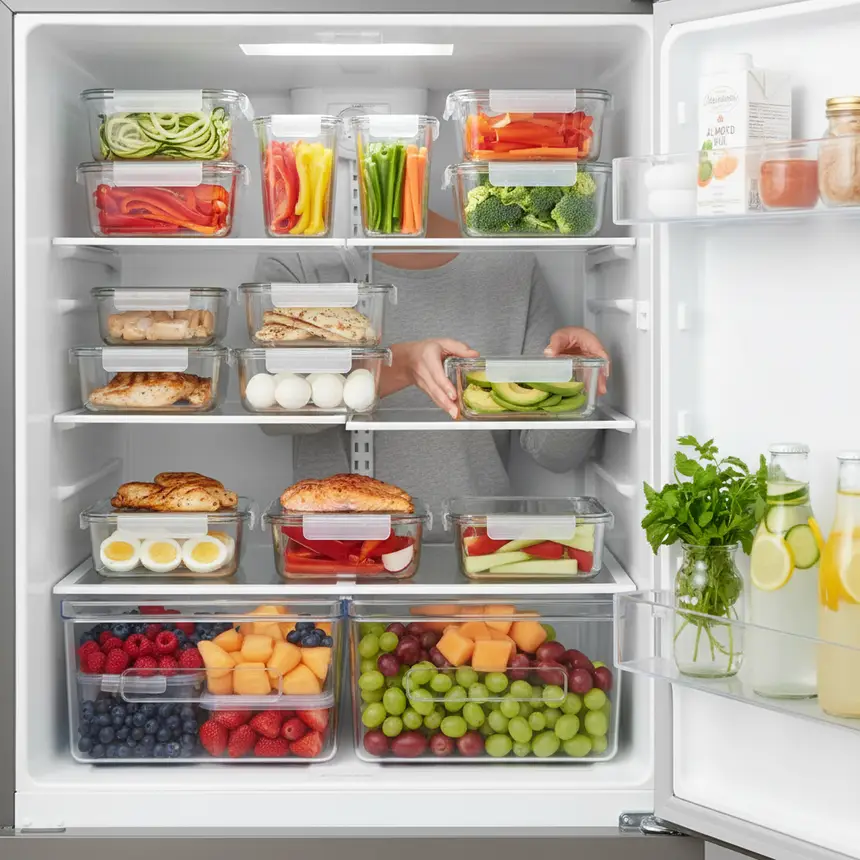
Adopting healthy eating habits doesn't require gourmet cooking skills or endless hours in the kitchen. The secret lies in 'planning' and 'efficiency'. Begin by mapping out your meals for the week. Dedicate some time on the weekend to grocery shopping for fresh vegetables and protein sources. During this time, pre-prep some ingredients to significantly cut down on weekday cooking. For example, wash and chop vegetables, storing them in airtight containers. Cook or grill larger batches of protein like chicken breast or plant-based options such as tofu. 'Batch cooking' is particularly effective for busy individuals. Investing an hour or two on a Sunday to cook a larger portion of grains, boil eggs, or roast vegetables will make weekday breakfast and dinner preparations far more manageable. These prepped ingredients become the foundation for a variety of fresh, delicious, and balanced meals throughout the week. This is your first step towards balanced meal management even with a hectic schedule.
※ This post contains affiliate links. I may earn a commission at no extra cost to you.

Practicable Daily Routine: Simple, Balanced Meal Ideas for Your Busy Schedule
Time and simplicity are paramount for those managing their own living spaces. Here are some routine ideas to fuel your body with minimal effort:
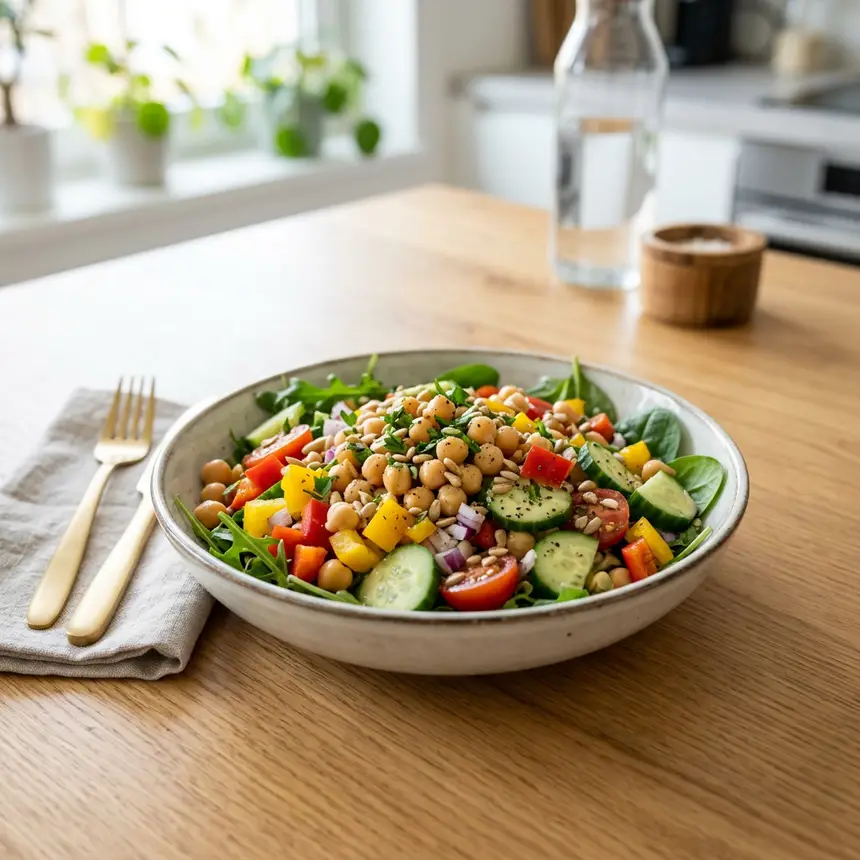
-1. Morning: Kickstart Your Day with a 'One-Bowl Salad'
Prepare cooked grains (like chickpeas or quinoa) or baked tofu cubes in advance. Combine these with a colorful array of fresh vegetables such as cucumbers, tomatoes, and bell peppers. A simple, zesty dressing made from olive oil, vinegar, a touch of sweetener, and a pinch of salt completes this nutritious meal.
-2. Lunch: Smart Savings with 'Packed Lunches'
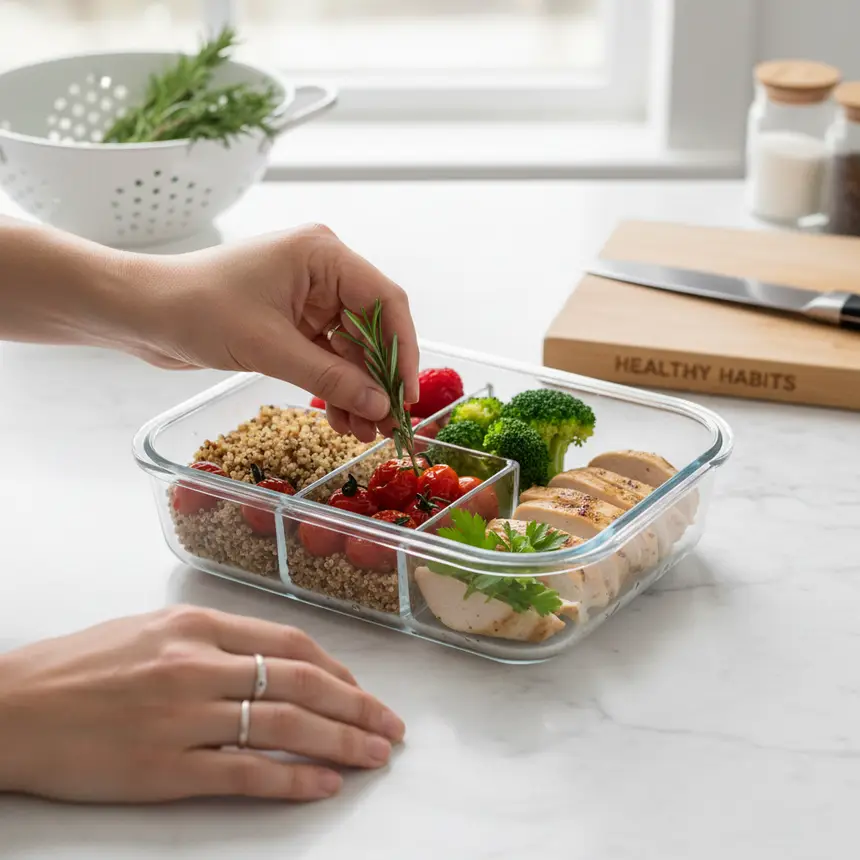
A great habit is to cook a bit extra for dinner the night before and pack the leftovers for lunch the next day. For instance, a hearty chicken stir-fry with plenty of vegetables or a whole-wheat pasta dish can easily serve as both dinner and a convenient lunch. This not only saves money on eating out but also helps maintain nutritional balance.
-3. Evening: Strategically Using 'Convenience Foods'
On exceptionally busy days, don't hesitate to leverage pre-packaged convenience foods. The key is to choose options with fewer additives and higher protein content. Supplement these with your prepped fresh vegetables or a side of fruit to ensure a well-rounded meal. Thinking of them as a 'helper' rather than a primary food source is crucial.
-1. Morning: Kickstart Your Day with a 'One-Bowl Salad'
Prepare cooked grains (like chickpeas or quinoa) or baked tofu cubes in advance. Combine these with a colorful array of fresh vegetables such as cucumbers, tomatoes, and bell peppers. A simple, zesty dressing made from olive oil, vinegar, a touch of sweetener, and a pinch of salt completes this nutritious meal.
-2. Lunch: Smart Savings with 'Packed Lunches'
A great habit is to cook a bit extra for dinner the night before and pack the leftovers for lunch the next day. For instance, a hearty chicken stir-fry with plenty of vegetables or a whole-wheat pasta dish can easily serve as both dinner and a convenient lunch. This not only saves money on eating out but also helps maintain nutritional balance.
-3. Evening: Strategically Using 'Convenience Foods'
On exceptionally busy days, don't hesitate to leverage pre-packaged convenience foods. The key is to choose options with fewer additives and higher protein content. Supplement these with your prepped fresh vegetables or a side of fruit to ensure a well-rounded meal. Thinking of them as a 'helper' rather than a primary food source is crucial.
Small Changes, Big Impact on Your Independent Living
Building healthy eating habits might seem daunting at first. However, consistent small actions accumulate into significant positive changes. Instead of aiming for a perfect diet every day, start by preparing a healthy meal 2-3 times a week. As you get used to it, cooking can transform from a chore into an enjoyable act of self-care. When your fridge is stocked with fresh ingredients and convenient pre-cooked items, you'll naturally reduce reliance on costly takeout, saving money in the process. More importantly, regular, balanced meals provide a vital boost of energy for your busy life and contribute positively to stress management. Embrace smart meal management today and enrich your independent living experience. It will be a wise choice to take good care of yourself even in a busy life.
Frequently Asked Questions
Q. What's the best way to start meal management when I'm busy?
A. Dedicating 1-2 hours on the weekend for meal planning and 'batch cooking' (prepping vegetables or cooking protein sources) for the upcoming week is highly effective. Starting with small, achievable goals is key to building sustainable habits.
Q. I find it hard to grocery shop frequently. Any tips for keeping ingredients fresh?
A. For vegetables, wash and thoroughly dry them, then wrap in paper towels and store in airtight containers to prolong freshness. Protein sources like chicken breast or tofu can be portioned and frozen, allowing you to use them as needed.
Q. Can I save money while maintaining a healthy diet?
A. Absolutely. Focus on seasonal ingredients, take advantage of bulk discounts, and reduce eating out. Cooking at home and repurposing leftovers for future meals or packed lunches are excellent ways to save on food costs.
Q. It's difficult to completely cut out instant foods. How should I use them wisely?
A. Instead of eliminating them entirely, use instant foods strategically. Opt for products with fewer additives and higher protein content, and always supplement them with fresh vegetables or fruits to balance the nutrition. View them as a supplement, not the main component of your diet.
Q. Does drinking enough water also help with meal management?
A. Yes, definitely. Adequate hydration is crucial for a healthy metabolism and can help you feel full, preventing overeating. Make it a habit to keep a water bottle close by and sip throughout the day.