Curious how to maintain an eco-friendly and healthy home while living alone? Discover practical tips for managing reusable household items and building sustainable habits for a better lifestyle.
Struggled with reusable hygiene product care? This guide offers simple, actionable eco-friendly home management tips for self-living individuals, from washing to storage.

Embracing Sustainable Choices in a Busy Solo Life
Living alone offers freedom, but managing a home can often feel like an endless chore. After a long day, facing a pile of dishes or a mountain of laundry can be daunting. The idea of incorporating eco-friendly habits that benefit both your health and the environment might seem even more challenging. Yet, with a slight shift in perspective, convenient and sustainable options are readily available. Reusable household items, especially fabric-based personal care products, often come with an initial apprehension about their maintenance. However, choosing these alternatives is a meaningful step towards reducing waste and prioritizing your well-being. If you've hesitated due to the misconception that they're hard to care for, the simple and efficient methods we’ll share will guide you towards establishing sustainable habits in your solo living journey. You'll find it's far easier to integrate these practices into your daily life than you might expect.
Master the Care of Reusable Household Items
To ensure your reusable fabric items, especially those that come into direct contact with your skin, remain hygienic and last longer, proper cleaning and storage are essential. Many assume the care routine is complicated, but by following a few key principles, you can easily establish an efficient habit.
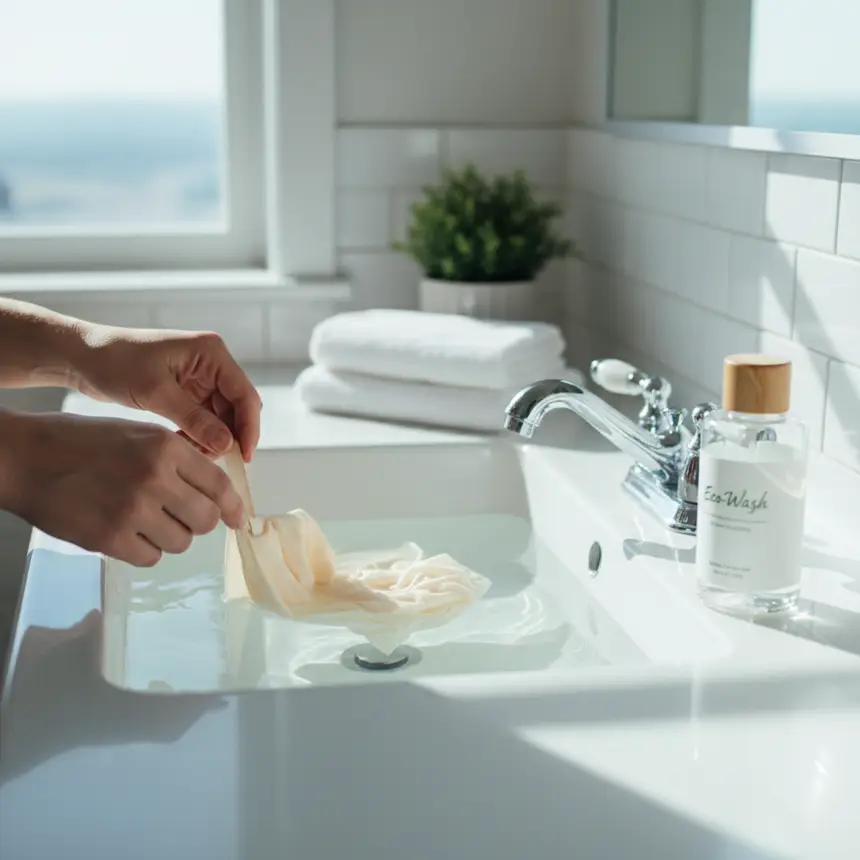
1. Soak Immediately in Cold Water: As soon as you're done using an item, place it in cold water before any stains set. Cold water helps prevent organic matter from coagulating and bonding with the fabric fibers, which often happens with hot water. Always avoid hot water for initial soaking, as it can make stains harder to remove.
2. Gentle Washing with Mild Cleanser: After a preliminary soak, use a gentle cleanser such as a pH-neutral detergent or baby-safe soap. Gently knead the item by hand rather than vigorously scrubbing to protect the fabric. For more delicate pieces, machine washing in a mesh laundry bag is an option, but hand washing typically extends the item’s lifespan.
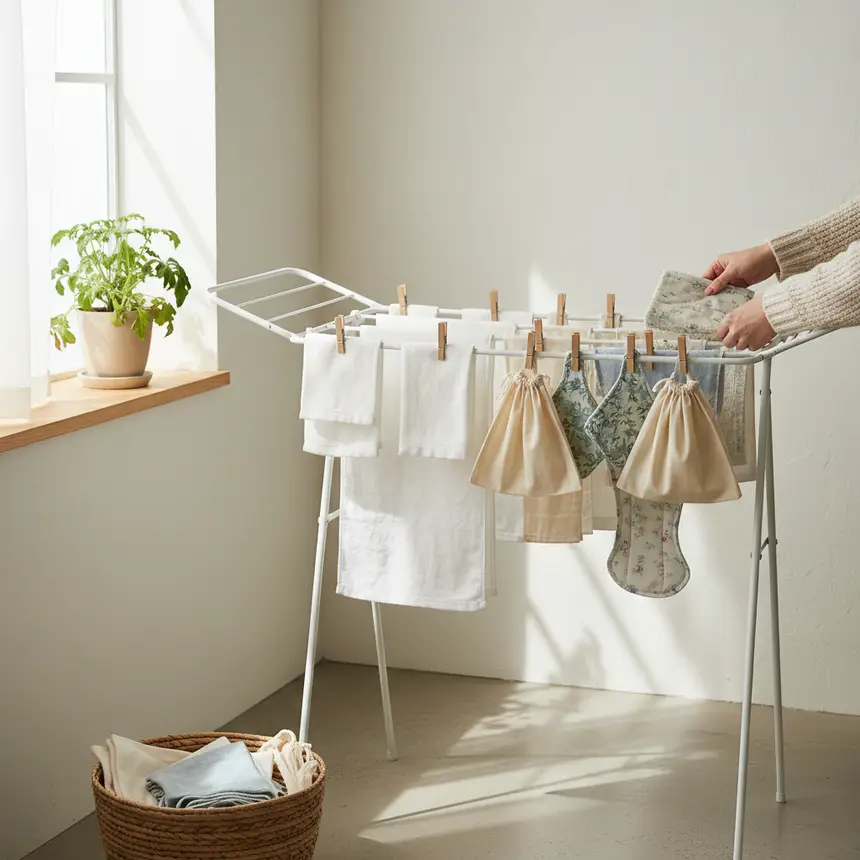
3. Thorough Drying in Sunlight: Once cleaned, gently squeeze out excess water and allow the item to dry completely in a well-ventilated area with sunlight. Sunlight offers natural sanitizing benefits, and insufficient drying can lead to unpleasant odors or bacterial growth. If drying indoors, ensure good air circulation near a window or use a dedicated drying rack.
By repeating these steps, you'll naturally develop your own effective cleaning routine. While it might require a small effort initially, this will evolve into a rewarding practice that supports both environmental conservation and your personal health.
1. Soak Immediately in Cold Water: As soon as you're done using an item, place it in cold water before any stains set. Cold water helps prevent organic matter from coagulating and bonding with the fabric fibers, which often happens with hot water. Always avoid hot water for initial soaking, as it can make stains harder to remove.
2. Gentle Washing with Mild Cleanser: After a preliminary soak, use a gentle cleanser such as a pH-neutral detergent or baby-safe soap. Gently knead the item by hand rather than vigorously scrubbing to protect the fabric. For more delicate pieces, machine washing in a mesh laundry bag is an option, but hand washing typically extends the item’s lifespan.
3. Thorough Drying in Sunlight: Once cleaned, gently squeeze out excess water and allow the item to dry completely in a well-ventilated area with sunlight. Sunlight offers natural sanitizing benefits, and insufficient drying can lead to unpleasant odors or bacterial growth. If drying indoors, ensure good air circulation near a window or use a dedicated drying rack.
By repeating these steps, you'll naturally develop your own effective cleaning routine. While it might require a small effort initially, this will evolve into a rewarding practice that supports both environmental conservation and your personal health.
※ This post contains affiliate links. I may earn a commission at no extra cost to you.

Small Habits, Big Lifestyle Impact
Embarking on a sustainable living journey doesn't have to be overwhelming. Instead of aiming for perfection from day one, starting with small, manageable changes is key to successful integration. For instance, if you're trying reusable fabric personal care items for the first time, begin with just a couple of smaller pieces. This allows you to get comfortable with the feel and establish a washing routine without feeling pressured. Having two to three items initially provides enough rotation, making management less daunting.
Integrating eco-friendly habits into your daily life can lead to numerous positive changes:
Integrating eco-friendly habits into your daily life can lead to numerous positive changes:
- Environmental Contribution: Reduce waste and your ecological footprint by decreasing reliance on single-use products.
- Enhanced Well-being: Opt for skin-friendly materials, minimizing exposure to potential irritants often found in conventional disposables.
- Financial Savviness: Save money in the long run by cutting down on recurring purchases of disposable items.
- Empowered Living: Gain a sense of satisfaction and control by actively managing your personal belongings and contributing to a healthier planet.
Frequently Asked Questions
Q. Is caring for reusable fabric products truly not a hassle?
A. While it might feel unfamiliar at first, after a few washes, you'll develop your own routine that's surprisingly easy. Many find great satisfaction in personally caring for their items.
Q. What kind of cleanser is best to use?
A. We recommend using mild, gentle cleansers like pH-neutral detergents or baby-safe soaps. These help minimize damage to fabric fibers and prevent irritating residues on your skin.
Q. What should I be careful about when drying these items?
A. It's crucial to dry them completely in a well-ventilated, sunny spot. Remaining moisture can lead to odors or bacterial growth, so thorough drying is key.
Q. How can I start trying reusable options without feeling overwhelmed?
A. Start with just a couple of smaller items to learn the usage and cleaning routine at your own pace. Gradually increasing your collection will help you comfortably adopt these eco-friendly habits.