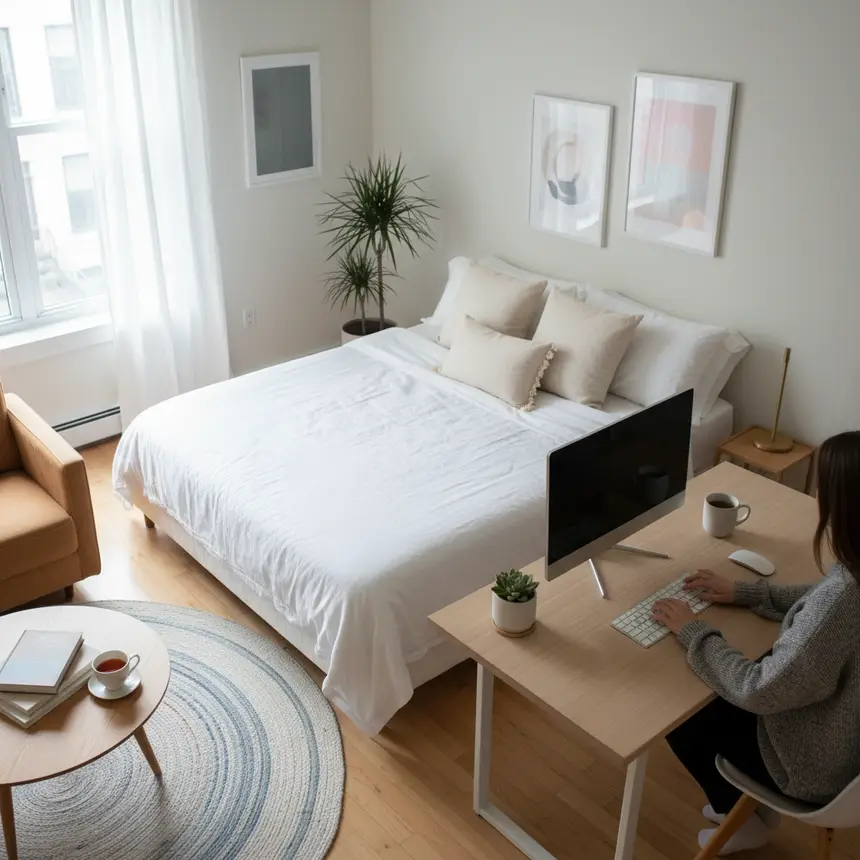
Struggling with a disrupted routine in your solo apartment? Discover realistic strategies to reset your sleep-wake cycle and inject energy back into your daily life. Transform your space and habits for a more vibrant solo living experience.

H2. The Common Solo Living Struggle: Late Starts and Low Energy
The freedom of living alone often comes with an unexpected challenge: maintaining a consistent daily routine. It's incredibly easy to fall into a cycle of late nights and even later mornings, leaving you feeling perpetually behind before your day has even truly begun. If you've ever found yourself waking up well past noon, feeling sluggish and unmotivated, you're not alone. This irregular sleep-wake pattern often leads to neglected chores, a cluttered living space, and a general sense of unease. Managing daily life effectively feels like an uphill battle, and it's hard to know where to start. These disrupted habits aren't just about willpower; they're often a mix of inconsistent meals, changing sleep environments, and reduced outdoor activity. The key isn't to blame yourself but to acknowledge the situation and take small, courageous steps toward change. If you're struggling to get out of bed, facing a mountain of dishes, or sighing at an empty fridge, it's a sign you're ready to redefine your solo living experience.

H2. Unpacking the Vicious Cycle: Understanding Why Routines Crumble
Many factors contribute to a derailed daily routine, especially in solo living where personal freedom is paramount and external structure is minimal. Common culprits include extended screen time late into the night, irregular meal schedules, and a lack of physical activity due to spending more time indoors. These habits create a domino effect, diminishing sleep quality, which in turn saps productivity during waking hours. For instance, a late-to-bed, late-to-rise pattern often leads to skipping breakfast, potentially resulting in overeating at lunch or dinner. Irregular meal times can cause digestive issues and lethargy, further depleting the energy needed for movement or tidying up. To break this cycle, it's essential to objectively examine your current habits. Simply tracking your sleep, meal times, and main activities for a week can offer significant insight into where the problem areas lie. Instead of self-criticism, understanding which habits contribute to your current pattern is the crucial first step towards meaningful change.
※ This post contains affiliate links. I may earn a commission at no extra cost to you.


H2. Practical Steps: Organizing Your Space and Building a Sustainable Routine
Rebuilding a disrupted solo living routine doesn't require drastic overhaul; it thrives on small, consistent changes. Begin by optimizing your sleep environment. Try to avoid screens an hour before bedtime and dim the lights to signal to your body that it's time to wind down. Consistency is key, so aim to wake up around the same time each day, even on weekends, to stabilize your body's natural rhythm. Your living space also plays a vital role. A cluttered room can amplify feelings of lethargy. Dedicate just 10 minutes a day to tidying one small area – perhaps your desk today, a shelf tomorrow. The goal isn't a massive declutter but rather a 'little by little' approach that fosters consistency. In the kitchen, wash dishes immediately after use, and empty trash bins before they overflow. These simple actions maintain cleanliness and contribute to a more positive mindset. These small, daily practices accumulate, creating a clean, organized environment that, in turn, supports the formation of positive daily habits. Just like planning for a move to a new place, consciously implementing these small shifts in your daily life can help you build the vibrant solo living experience you desire.
Frequently Asked Questions
Q. How can I reset my sleep schedule when I live alone?
A. The most crucial step is establishing consistent bedtime and wake-up times, even on weekends. Dim lights before bed, avoid screens, and consider a warm shower to help your body relax and prepare for sleep.
Q. What's the easiest way to keep my apartment tidy when my routine is off?
A. Implement the '5-minute tidy' rule: dedicate a few minutes each day to putting things back in their place. Also, practice the 'one-in, one-out' rule for new purchases to prevent clutter from accumulating.
Q. I'm moving; how do I make sure I build good habits from day one?
A. When setting up your new space, consider your daily flow for furniture and storage. Instead of aiming for perfect change, start with small, consistent habits like making your bed every morning or washing dishes immediately after use.
Q. Is it harder to stay motivated when living by yourself?
A. The increased autonomy in solo living means less external structure. It's not necessarily harder, but it requires self-discipline to set and adhere to your own rules. View it as an opportunity to build a healthy routine tailored to you.
Q. Can I still have a productive day if I'm not a morning person?
A. Absolutely. Productivity isn't exclusive to early risers. Understanding your unique circadian rhythm and maintaining a consistent sleep-wake schedule that aligns with it is key. You can certainly have a vibrant, productive day utilizing your most energetic hours, whether they're in the morning or later.