Discover smart grocery shopping strategies to cut down solo living expenses. Learn to set reference prices for common items and use pre-shopping techniques to build savvy spending habits.

Navigating Fluctuating Expenses: Your Personal Food Cost Compass
For anyone living alone, the routine of grocery shopping can often feel like a guessing game rather than a simple chore. The initial satisfaction of stocking the fridge quickly fades when the final bill at checkout is surprisingly different from last week's. With fixed costs like rent and utilities already stretching your budget, unpredictable food expenses can make overall financial management feel overwhelming. Especially with ongoing inflation, it's hard to pinpoint where your money is truly going if you only ever look at the grand total. Savvy independent individuals are increasingly adopting a strategy of setting clear 'reference prices' for their groceries. This isn't just about saving a few dollars; it's about building a proactive, data-driven approach to your food spending, transforming uncertainty into control.
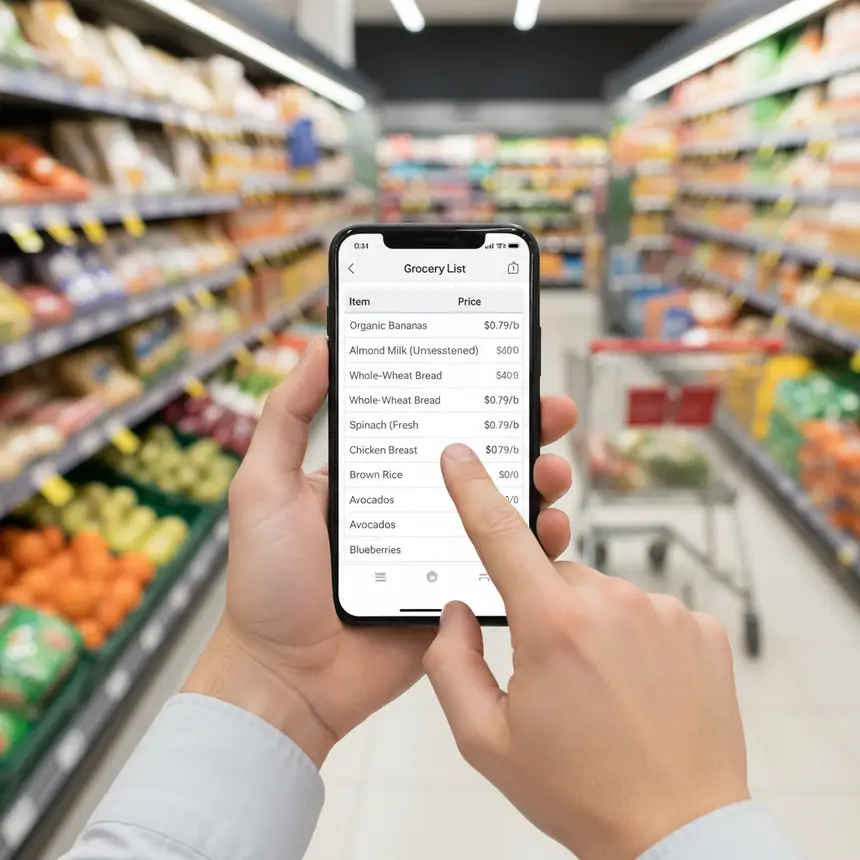
The Core of Food Budgeting: Understanding Unit Pricing
The first step to smart food management isn't about buying the cheapest item, but rather establishing a solid benchmark for the products you frequently purchase. Instead of trying to memorize every single price in the store, focus your energy on 10-20 staple items that consistently appear in your diet or are regularly consumed. The real game-changer here is focusing on 'unit price' rather than the price per item. This means checking the cost per 100ml for milk, per 100g for tofu, or per 10ml for detergent. This practice empowers you to accurately assess the true value of cleverly resized products or 'buy one get one free' deals that might initially seem like a bargain.
To build your personalized reference prices, gather your last 2-3 grocery receipts. Identify your frequent purchases, then calculate their unit price by dividing the total cost by the quantity or volume. Averaging these figures will give you your 'personal average price.' For added clarity, cross-reference these averages with publicly available consumer price data. This comparison can highlight how efficiently you're currently shopping. This custom-built price database will become an invaluable guide for all your future purchasing decisions.
To build your personalized reference prices, gather your last 2-3 grocery receipts. Identify your frequent purchases, then calculate their unit price by dividing the total cost by the quantity or volume. Averaging these figures will give you your 'personal average price.' For added clarity, cross-reference these averages with publicly available consumer price data. This comparison can highlight how efficiently you're currently shopping. This custom-built price database will become an invaluable guide for all your future purchasing decisions.
- Actionable Tip: Before your next shopping trip, collect your last three receipts and calculate the unit price for your top five most frequently purchased items. Note down your personal average for each.
※ This post contains affiliate links. I may earn a commission at no extra cost to you.


Streamlining Your Shopping Routine with Digital Tools
Consistently applying your established reference prices requires practical tools. A simple smartphone notes app is an excellent starting point. Set clear upper price limits for each item, like 'Milk (1 gallon): under $3.50' or 'Eggs (dozen): under $2.80.' A quick glance at this list before hitting the store can prevent impulsive purchases. For a more detailed approach, consider using a basic spreadsheet (like Google Sheets or Excel) to log item, unit reference price, actual purchase price, and the store. Over a few months, this data will reveal patterns: which stores offer better deals on specific items, and when sales frequently occur.
Adopt a 'three-stage filtering' method for your grocery list. First, create a 'draft list' with all potential meal ingredients and household necessities. Second, narrow this down to an 'essential list' – only what you absolutely need right now. Third, set your budget, estimate the cost of your essential list, and then add 'optional items' from your draft list only if they fit within the remaining budget. This process typically prunes about 30% of your initial list, effectively curbing unnecessary spending.
Another powerful habit is snapping a photo of your fridge and pantry before shopping. This serves as your personal inventory system, preventing duplicate purchases of items you already have. It also helps in planning meals around existing ingredients, reducing waste. This simple visual check applies business inventory management principles to your home, leading to significant, often unseen, savings.
Adopt a 'three-stage filtering' method for your grocery list. First, create a 'draft list' with all potential meal ingredients and household necessities. Second, narrow this down to an 'essential list' – only what you absolutely need right now. Third, set your budget, estimate the cost of your essential list, and then add 'optional items' from your draft list only if they fit within the remaining budget. This process typically prunes about 30% of your initial list, effectively curbing unnecessary spending.
Another powerful habit is snapping a photo of your fridge and pantry before shopping. This serves as your personal inventory system, preventing duplicate purchases of items you already have. It also helps in planning meals around existing ingredients, reducing waste. This simple visual check applies business inventory management principles to your home, leading to significant, often unseen, savings.
- Actionable Tip: Before your next grocery run, take a photo of the inside of your fridge and pantry to visually confirm what you already have, then build your shopping list accordingly.

The Two-Week Challenge: Building a Smart Spending Habit
It's unrealistic to expect to know every single item's reference price overnight. To naturally integrate this 'price awareness' into your routine, commit to a simple two-week practice plan.
Just two weeks of this focused practice can significantly transform your grocery habits. The vague idea of prices will solidify into concrete numbers in your mind, and you'll visibly notice a reduction in unnecessary spending. If you've been frustrated by inconsistent food costs each month, start today by setting reference prices for your top 10 items. This small, consistent change will build a strong foundation for a more financially relaxed solo living experience.
- Week 1: Select just 10 of your most frequently purchased essential items. Jot down their reference prices in a notes app. During your grocery trip, focus solely on these 10 items, consciously checking their unit prices and aiming to stay within your self-imposed limits. Simply recording the actual price of these items in your app after checkout is enough for this initial phase.
- Week 2: Expand your focus to 15-20 items. Alongside their prices, start noting the 'date you saw the lowest price' for each. Use this information to anticipate sales or make strategic purchases when a good deal appears. During this second week, try incorporating the 'fridge photo' and '3-stage list filtering' techniques to refine your entire shopping routine.
Just two weeks of this focused practice can significantly transform your grocery habits. The vague idea of prices will solidify into concrete numbers in your mind, and you'll visibly notice a reduction in unnecessary spending. If you've been frustrated by inconsistent food costs each month, start today by setting reference prices for your top 10 items. This small, consistent change will build a strong foundation for a more financially relaxed solo living experience.
Frequently Asked Questions
Q. How often should I update my reference prices for groceries?
A. Given market fluctuations, it's a good practice to re-evaluate your reference prices for key items every one to two months. If significant price changes are anticipated, more frequent checks are advisable to stay informed.
Q. Prices differ across various stores and online retailers. Which price should I use as my reference?
A. It's practical to either average the prices from the 2-3 stores you frequent most, or use the price from your primary shopping destination. For online retailers, consider the total cost including shipping when calculating the unit price.
Q. Calculating 'price per unit' can feel cumbersome. Are there easier methods?
A. You can use a unit conversion calculator app on your smartphone or leverage unit price comparison features offered by some shopping apps. With a little practice, you'll become much faster at it.
Q. Should I buy items on sale or 'buy one get one free' deals even if they exceed my reference price?
A. For essential items or products with a long shelf life, if the sale price is significantly lower than your usual reference, it might be a smart purchase. However, to prevent impulse buying, it's crucial to make these decisions within your pre-set budget.
Q. Is this grocery budgeting strategy effective for families, not just individuals living alone?
A. Yes, this method is highly effective for family households as well. With larger quantities and a wider variety of items, designating one family member to track and manage the records can help maintain a more organized and systematic approach.