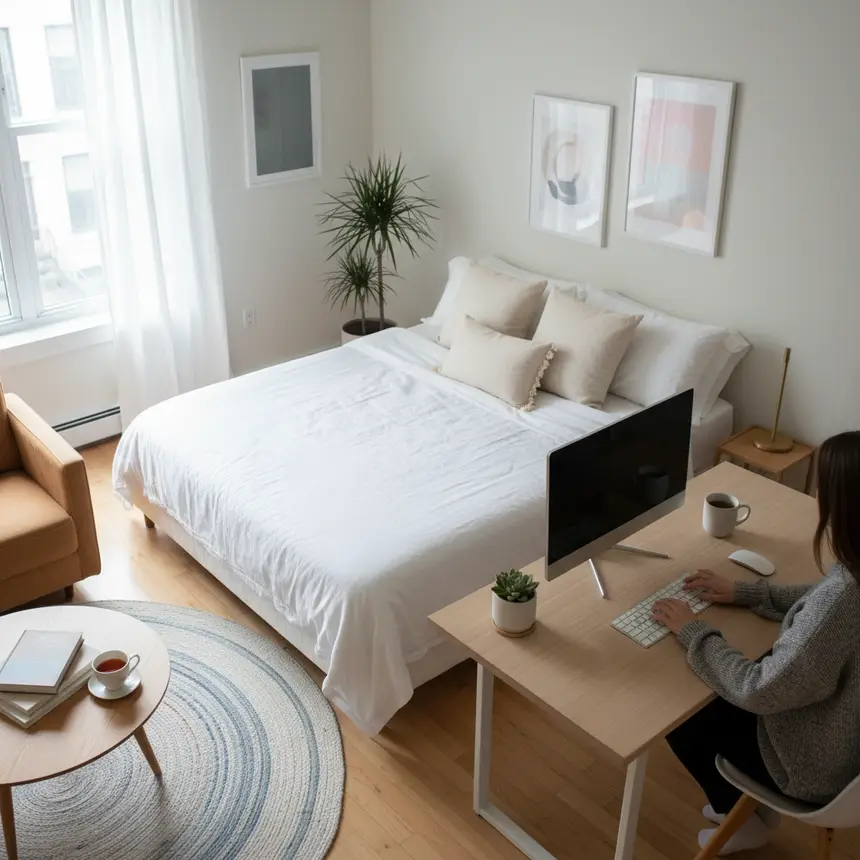
Resolve your sleepless nights with our comprehensive guide to healthy sleep for solo dwellers. Discover effective strategies for creating an optimal sleep environment and improving your habits to achieve quality rest.
Find essential sleep management tips and actionable advice tailored for your independent lifestyle.

The Silent Struggle: Sleepless Nights in Solo Living
For anyone navigating the hustle and bustle of solo living, sleep isn't just a luxury—it's a critical foundation for well-being. Yet, countless individuals find themselves tossing and turning, caught in a cycle of irregular routines and mounting stress. That familiar feeling of staring at the ceiling, wondering if another night will slip by without rest, is a common experience. This cumulative fatigue saps daytime energy, making even small tasks feel overwhelming and increasing irritability. When sleep quality suffers, it not only impacts the next day's performance but also takes a long-term toll on overall health. Achieving healthy, restorative sleep is vital for balancing mind and body, especially when you're solely responsible for your own care. So, how can we reclaim peaceful, high-quality sleep?

Unseen Saboteurs of Sleep: Is Your Bedroom Working Against You?
What keeps us from drifting off easily and staying asleep throughout the night? Our bodies orchestrate a complex symphony of signals to initiate and maintain sleep: the brain quietens, body temperature naturally drops, and the sleep hormone melatonin is released. However, modern solo living often throws this delicate rhythm off balance. For instance, prolonged exposure to bright screens from phones or laptops late into the evening can suppress melatonin production, disrupting our natural sleep cycle. Daytime stress and anxieties also keep our nervous systems on high alert, leaving our bodies in a state of tension. In a compact living space, where the lines between living and sleeping areas blur, a cluttered or unorganized environment can further disrupt mental calm, becoming a major impediment to deep sleep. When these factors combine, sustaining restful sleep becomes a challenge, often leading to chronic sleep deprivation.
※ This post contains affiliate links. I may earn a commission at no extra cost to you.

Crafting Your Sleep Sanctuary: The Power of Space and Organization
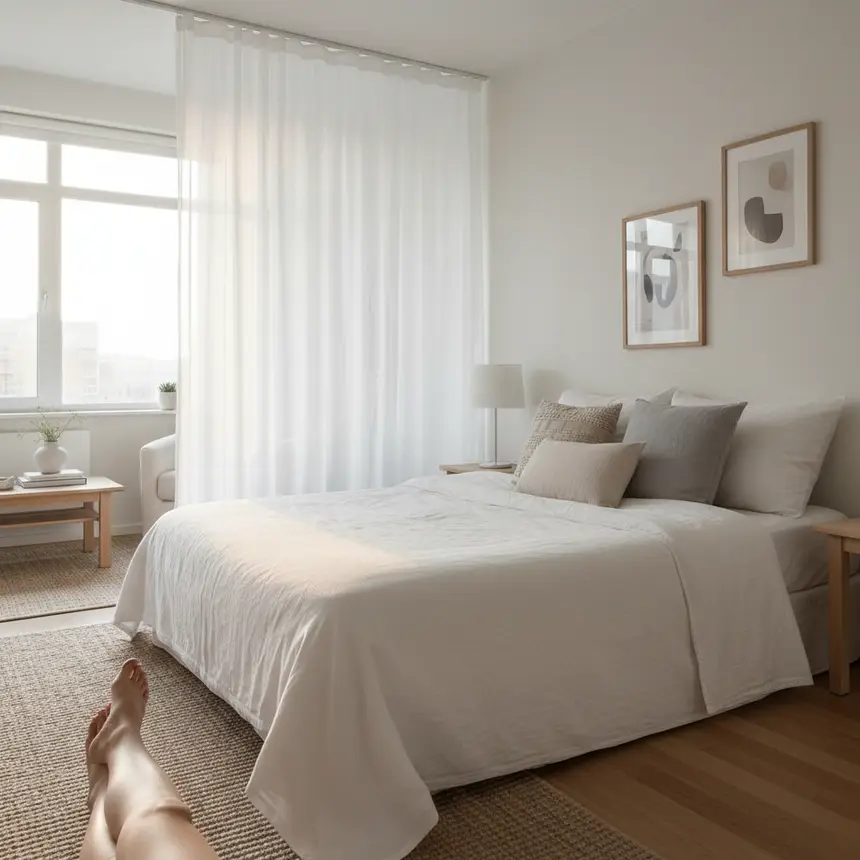
The first step toward better sleep is transforming your bedroom into a sleep-friendly haven. Even in a small apartment, thoughtful space utilization and a well-organized environment can significantly enhance sleep quality.
- Declutter Your Bedside: Piles of items around your bed create visual chaos and unnecessary mental stimulation. A quick tidy-up of your bedside table and keeping the floor clear before bed can foster a much calmer mindset for sleep.
- Define Sleep vs. Activity Zones: If your entire life happens in one room, consider using a curtain or low furniture to visually separate your sleeping area. This psychological boundary helps your mind associate the space specifically with rest.
- Optimize Lighting: Your bedroom lighting should be as dim as possible. Before sleep, opt for soft, indirect lighting or a bedside lamp instead of bright overhead lights. Use blackout curtains to block out external light entirely, aiding melatonin production.
- Manage Temperature and Humidity: An ideal bedroom temperature for sleep is between 64-72°F (18-22°C), with humidity around 50-60%. Ensure regular ventilation and use a humidifier or dehumidifier if needed to maintain a comfortable environment.

Embracing Healthy Sleep Habits: Mind and Body Preparation
Beyond creating a conducive physical environment, preparing your mind and body is equally crucial for restful sleep. Implement these practical strategies to build a healthy sleep routine:
- Maintain a Consistent Sleep Schedule: Try to go to bed and wake up at similar times every day, even on weekends. This regularity helps regulate your body's internal clock, making it easier to fall asleep and wake up naturally.
- Limit Screen Time Before Bed: The blue light emitted from smartphones, tablets, and computers interferes with melatonin production. Aim to stop using these devices at least an hour before bed and engage in alternative activities like reading or meditation.
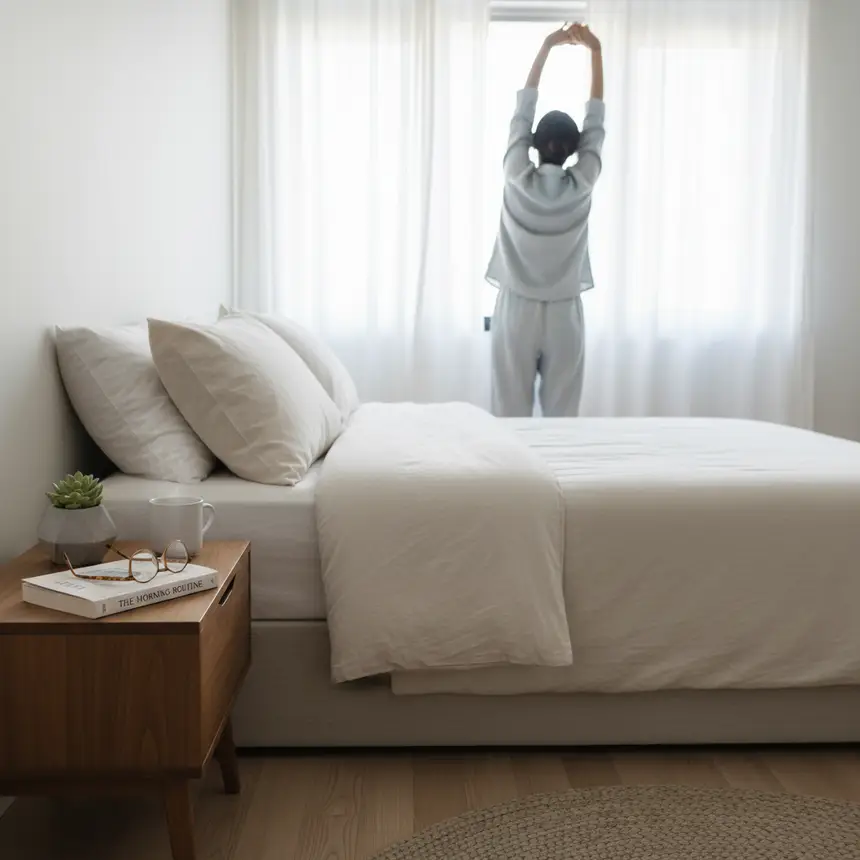
- Gentle Stretching or Relaxation: Vigorous exercise close to bedtime can be stimulating. Instead, opt for light stretching, yoga, or deep breathing exercises that help relax your body and mind.
- Monitor Caffeine and Alcohol Intake: Avoid caffeine and alcohol several hours before bedtime. Both can disrupt sleep patterns and reduce overall sleep quality.
- Keep Naps Short: If you need to nap, keep it brief, ideally under 20 minutes. Longer naps can interfere with nighttime sleep.
The Journey to Restful Sleep: Small Efforts for a Big Impact
The frustration and exhaustion that come with repeated sleepless nights are feelings many solo dwellers can deeply empathize with. Yet, restful sleep is an invaluable foundation for health that should never be neglected. Start with small changes today. Simple habits like tidying your bedside or putting down your phone before bed can accumulate to significantly improve your sleep quality. Experiment with the methods suggested in this guide to discover the optimal sleep environment and routine that works best for you. This journey of self-discovery is a crucial step towards a healthier solo living experience. If, despite these efforts, sleep problems persist for an extended period or severely impact your daily life, please do not hesitate to seek professional guidance. Healthy sleep is the most powerful energy source for a brighter tomorrow.
Frequently Asked Questions
Q. My apartment is small, making it difficult to separate my sleeping and living areas. What should I do?
A. If physical separation is challenging, aim for psychological separation. Establish rules, such as using your bed and its immediate surroundings strictly for sleep, and avoiding screen use while in bed. Using low partitions, bookshelves, or even curtains to visually divide the space can also be very effective.
Q. What activities are beneficial for sleep before bedtime?
A. At least an hour before bed, stop engaging in screen-based activities (TV, smartphone, computer). Instead, choose activities that help relax your body and mind, such as taking a warm shower, reading a light book, listening to calming music, meditating, practicing deep breathing, or doing gentle stretching.
Q. If I can't fall asleep despite trying, should I just stay in bed?
A. Forcefully trying to sleep while lying in bed can increase anxiety. If you haven't fallen asleep after about 20 minutes, get out of bed and engage in a quiet activity (e.g., reading, meditating) until you feel sleepy again, then return to bed. This helps reinforce the association of your bed with sleeping.
Q. How long does it typically take to establish healthy sleep habits?
A. It varies for everyone, but generally, forming new habits can take anywhere from a few weeks to several months. Consistency is key. It's important to start with small changes and gradually discover the sleep routine that best suits you.