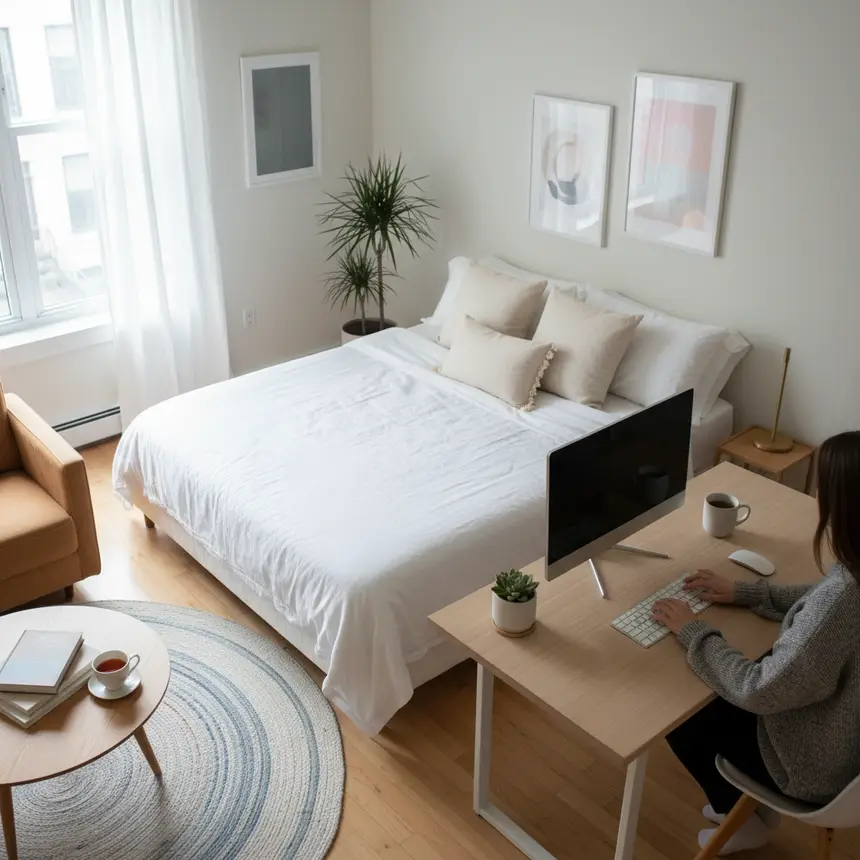
Are you looking for ways to stay warm this cold winter in your solo apartment without worrying about heating bills? Prepare for a cozy and economical winter with efficient heating appliance usage and indoor temperature management know-how.

H2. Chilly Realities: The Solo Dweller's Winter Heating Dilemma
As winter's embrace tightens each year, solo residents often face a dual challenge: the biting cold within their living spaces and the dread of an escalating electricity bill. Returning to a frigid apartment after a long day ignites a deep yearning for warmth. However, that brief comfort often comes at the steep price of heating costs, a constant source of worry. Many hesitate to fully embrace the warmth of a heater, even with numb fingers and toes, due to the looming threat of exorbitant utility bills. This article aims to explore these common winter heating concerns and provide practical, smart strategies for maintaining a cozy home without breaking the bank.
H2. Uncovering the Hidden Causes of Inefficient Heating
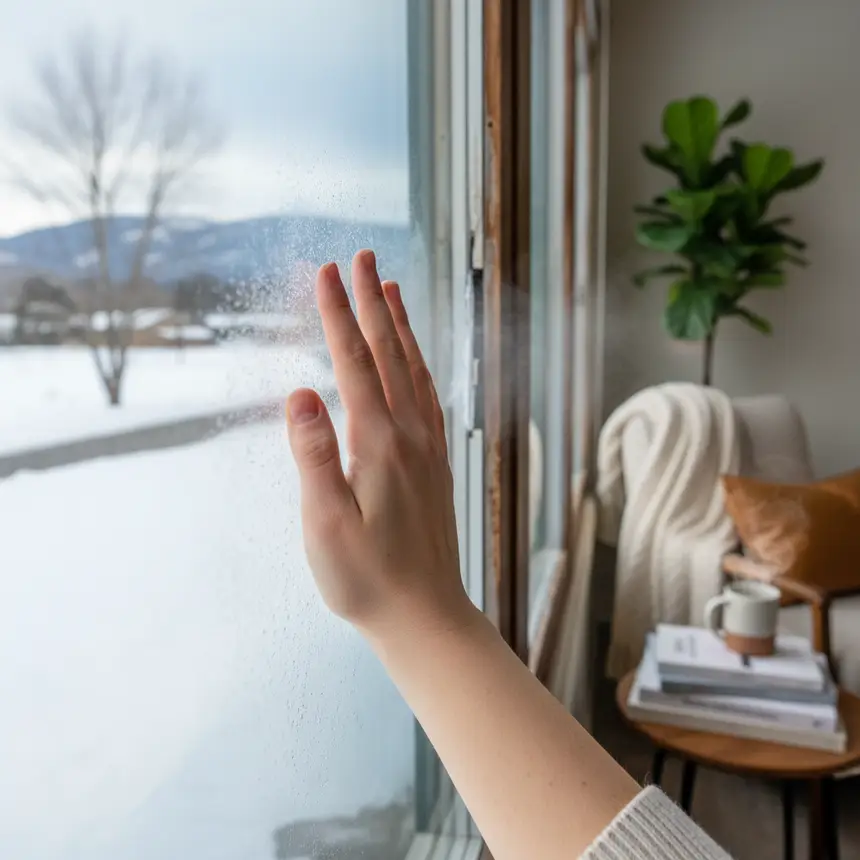
It's a common frustration for many living alone: cranking up the heat yet still feeling a chill, or being shocked by an unexpectedly high electricity bill. While it's easy to blame the heating unit itself, the real culprits often lie in inefficient usage habits or the specific characteristics of the living space. Issues such as heat escaping through poor insulation, a lack of understanding about proper indoor temperature regulation, or neglecting appliance maintenance can significantly hinder heating efficiency. Even with a top-of-the-line heater, overlooking these fundamental issues can lead to a cycle where warmth remains elusive, but energy costs soar. Identifying what's truly making your home inefficiently warm is the first crucial step toward significant electricity savings.
※ This post contains affiliate links. I may earn a commission at no extra cost to you.

H2. Smart Temperature Management: Balancing Warmth and Economy
Achieving a comfortable indoor temperature during winter while keeping electricity costs in check is simpler than you might think. The key lies in 'maintaining optimal temperature' and 'managing airflow'.
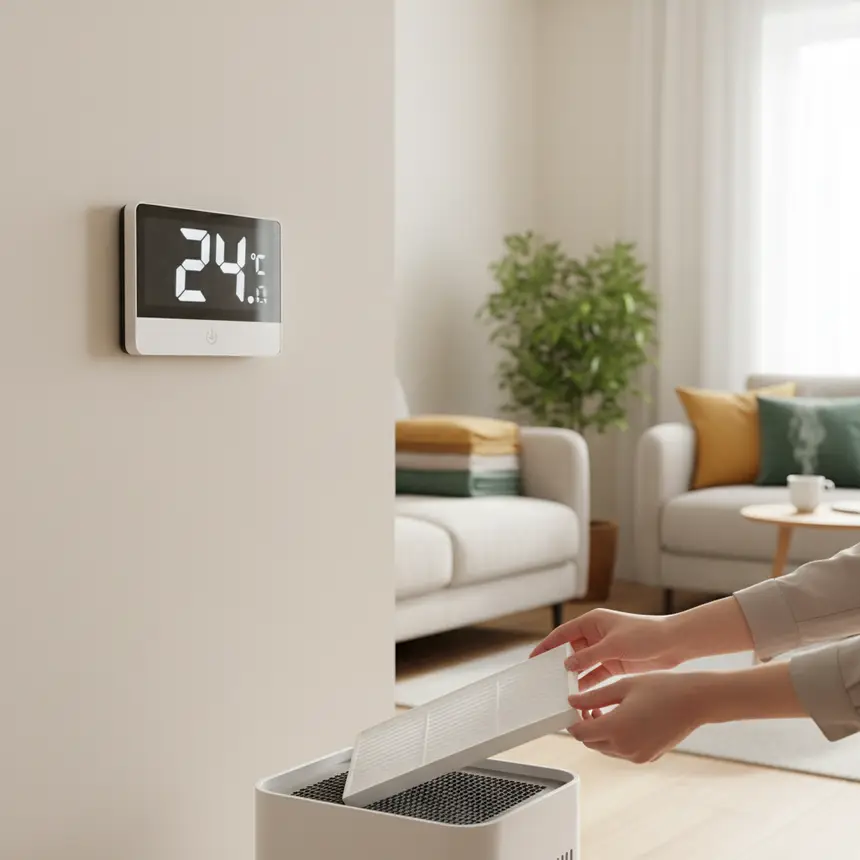
- Wise Temperature Setting: Instead of setting the thermostat excessively high, aim for a comfortable yet energy-saving range, typically between 73-77°F (23-25°C). Start by running the heater at a higher setting to quickly warm the room, then reduce it or utilize an automatic temperature maintenance feature to conserve energy once the desired warmth is reached.
- The Importance of Air Circulation: It's vital for warm air to circulate evenly throughout the entire space, rather than stagnating in one spot. Regularly check and clean air filters to ensure clean air circulation, which not only improves air quality but also boosts heating efficiency. Using air circulators in conjunction with your heating device can also be very effective.
- Flexible Space Utilization: Instead of heating your entire home, focus on warming the areas where you spend most of your time. A flexible approach, such as moving a portable heating unit to where you are, prevents unnecessary energy waste and quickly warms the desired spot. These small changes in habit can collectively lead to substantial savings on your electricity bill.
H2. Daily Routines for a Warm and Economical Winter
Managing winter heating and saving on electricity bills becomes most effective when integrated into your daily routine, rather than being treated as an extraordinary effort. Here are a few habits you can practice daily:
- Morning and Evening Temperature Checks: When leaving home, instead of completely turning off the heat, use an 'away mode' or maintain a minimum temperature to prevent the indoor temperature from dropping too low, allowing for a quicker return to comfort upon your arrival.
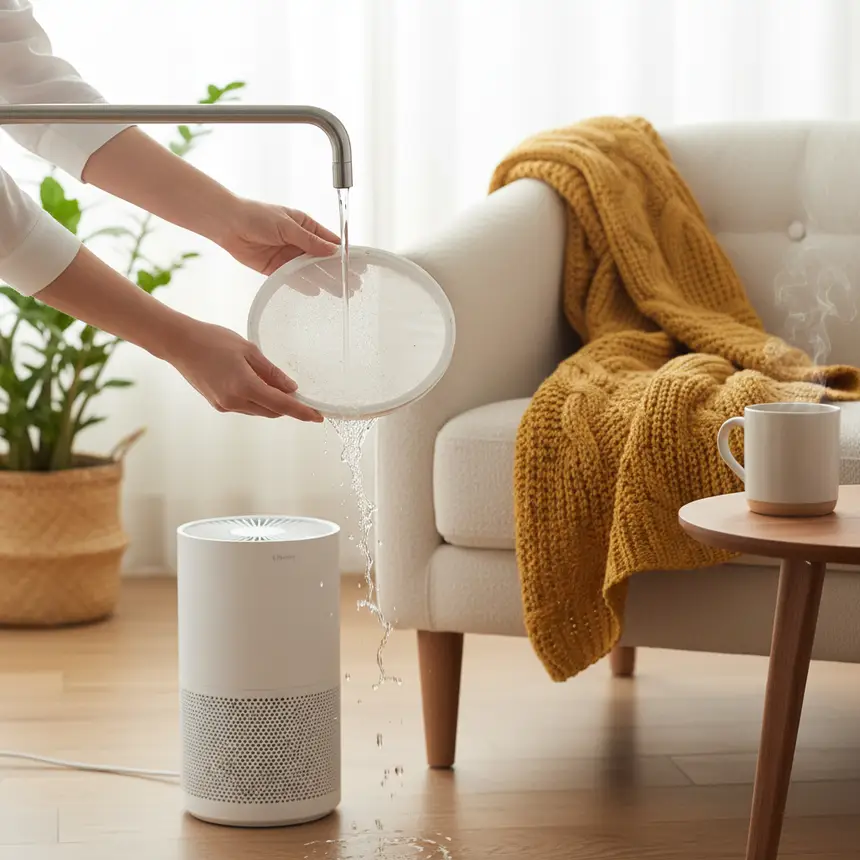
- Regular Appliance Maintenance: Periodically clean or replace your heating unit's filters to ensure it always operates at optimal performance. This contributes to better air quality and extends the appliance's lifespan.
- Zone Heating: Focus heat primarily on the areas where you spend most of your time, and close doors to unused rooms to minimize heat loss. Utilize portable heating devices as needed to quickly warm specific areas.
- Supplementary Warmth: Actively use items that provide extra warmth, such as throw blankets, cozy socks, or a warm cup of tea, which can help reduce your reliance on primary heating. Consistently practicing these habits is a smart way to achieve both warmth and economy throughout the winter.
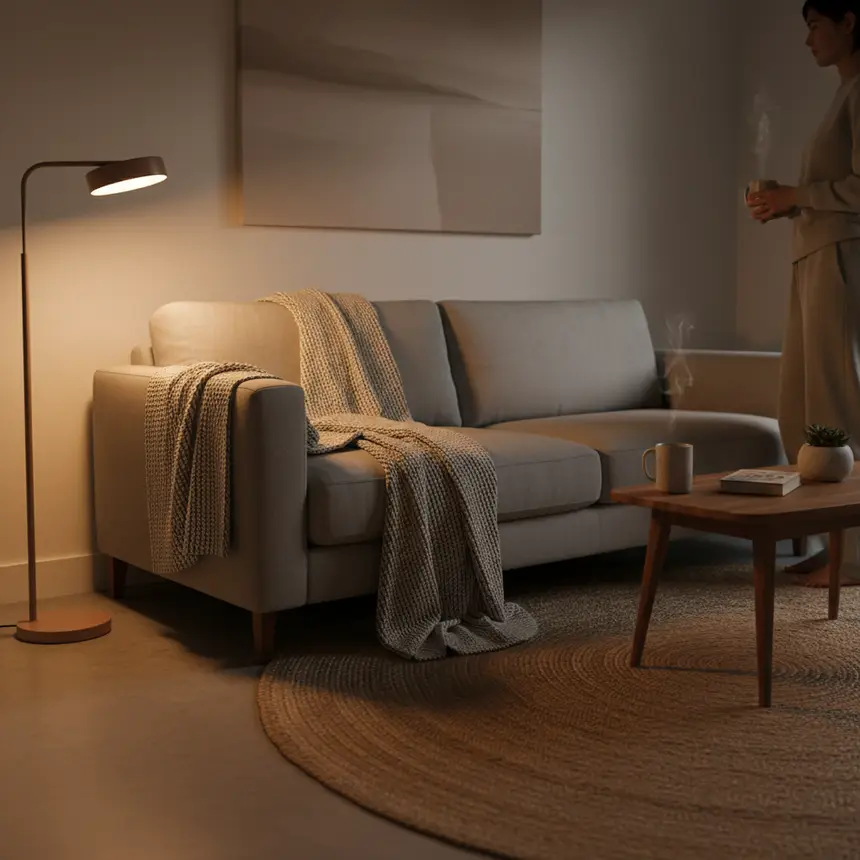
H2. Your Cozy Retreat: Enjoying a Warm and Comfortable Personal Space
Even as the cold winter winds blow, you no longer need to worry about the chill in your solo apartment or the anxiety of high electricity bills. By adopting the practical heating management tips and lifestyle habits shared today, you can maintain a warm and pleasant living space. Consistent practice, starting with small changes, will significantly contribute to wisely reducing your winter energy costs while creating a snug and comfortable home environment. Now, even on the coldest winter nights, you can enjoy peaceful relaxation in comforting warmth and truly savor the tranquility of your own space. Smart heating management will make your winter richer and warmer.
Frequently Asked Questions
Q. What's the most efficient temperature setting for heating a solo apartment?
A. It's generally recommended to set your thermostat between 73-77°F (23-25°C). This range provides comfort while maximizing energy efficiency. Initially, you can run the heater at a higher setting to warm the room quickly, then reduce it or use an automatic temperature maintenance feature once the desired temperature is reached.
Q. I feel dry when using my heater. How can I fix this?
A. If you experience dryness from heating, consider using a humidifier alongside your heater or hanging damp towels in the room. You might also explore different types of heating appliances known for being less drying.
Q. Does turning off the heater completely when I leave save more electricity?
A. For short absences, it can be more efficient to use an 'away mode' or maintain a minimum temperature rather than turning the heater off completely. If the indoor temperature drops too low, it can consume more energy to bring it back to a comfortable level. For longer periods away, it's best to turn it off entirely.
Q. How can I improve air circulation in my room for better heating efficiency?
A. Since warm air rises, you can use a fan or air circulator aimed towards the ceiling, or adjust the heater's position to ensure warm air distributes evenly throughout the space. Regularly cleaning your heater's filter is also crucial for maintaining clean and efficient air circulation.