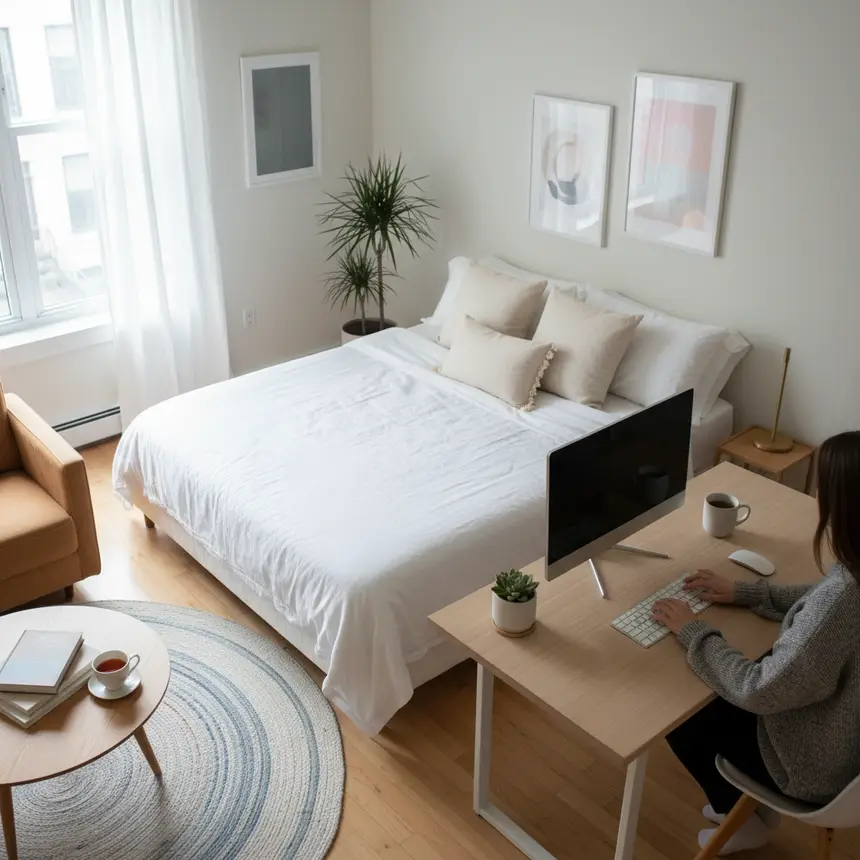
Don't let apartment mold and condensation get you down. Discover easy, effective wall care strategies and humidity control tips to maintain a fresh, healthy living environment. Start today and transform your space into a mold-free haven.

The Unwanted Guest in Your Apartment: Battling Mold and Condensation
The dream of independent living often comes with unexpected challenges, and for many living in a compact space, apartment mold and wall condensation are common culprits. Those dark, damp spots not only mar the aesthetics of your home but can also negatively impact your health, becoming a real source of stress. This is especially true in enclosed spaces like studio apartments, where these issues can appear more easily and seem harder to manage. But don't worry! With a few fundamental principles and consistent habits, you can effectively improve and prevent these problems. Ready to take the first step toward a healthier, more comfortable space of your own? Let’s dive in.

Why Do Condensation and Mold Keep Appearing in Small Living Spaces?
Apartment mold and condensation typically stem from a combination of indoor-outdoor temperature differences and inadequate humidity management. Condensation, those water droplets forming around windows or on exterior-facing walls, occurs when warm, humid indoor air meets a cold surface, causing the moisture to condense. If this moisture doesn't dry out, it creates an ideal breeding ground for mold.
In studio apartments or smaller units, daily activities like cooking, showering, and drying laundry can rapidly elevate indoor humidity. Without proper ventilation, this humid air becomes stagnant, further promoting mold growth. Poor insulation can also play a role, with problems often starting in unseen areas like behind wallpaper or in wall corners. What begins as a small stain can spread widely, potentially affecting the wall's internal structure. Understanding these root causes is crucial for effective intervention.
In studio apartments or smaller units, daily activities like cooking, showering, and drying laundry can rapidly elevate indoor humidity. Without proper ventilation, this humid air becomes stagnant, further promoting mold growth. Poor insulation can also play a role, with problems often starting in unseen areas like behind wallpaper or in wall corners. What begins as a small stain can spread widely, potentially affecting the wall's internal structure. Understanding these root causes is crucial for effective intervention.
※ This post contains affiliate links. I may earn a commission at no extra cost to you.


Wall Mold Management: From Early Detection to Damage Repair
Once apartment mold appears, prompt action is essential. For small, localized areas, you can start with DIY removal.
- First, ensure good ventilation, then wipe the affected area with a dry cloth. Follow up by carefully cleaning the stained spot with diluted vinegar or a commercial mold remover, being gentle to avoid damaging the wallpaper.
- If the wallpaper is heavily stained or you suspect mold has penetrated deeper into the wall, partial wall repair might be necessary. For minor damage, carefully remove the affected wallpaper, thoroughly dry the wall surface, and then apply a mold-inhibiting treatment as a base. If there's moisture damage or physical damage to the wall itself, you'll need to patch and smooth the area using filler or plasterboard pieces. This step is crucial for addressing the wall's underlying health, not just its surface appearance.
- Once the wall is completely dry and repaired, you can finish it with new wallpaper or paint to restore a clean look. Keep in mind that a perfect match to existing wall coverings might be difficult, so consider redoing the entire wall or incorporating it as a design element. The key is to focus on fundamentally resolving the moisture and mold issue within the wall, not just covering it up.

Daily Routines for a Mold-Free and Fresh Apartment
Preventing the recurrence of mold and condensation problems hinges on consistent preventative care. Incorporate these routines into your daily life to maintain a fresh apartment space:
- Ventilate daily for at least 10 minutes: Open windows every morning or after cooking and showering to circulate indoor air. For humid areas like bathrooms and kitchens, run the exhaust fan or open windows wide immediately after use to expel moisture.
- Maintain optimal indoor humidity: Overuse of humidifiers can contribute to mold. Avoid indoor clothes drying if possible; if necessary, do so in a well-ventilated area and use a dehumidifier. Monitor indoor humidity with a hygrometer, aiming for 50-60%.
- Periodically inspect walls: Regularly check areas prone to moisture, such as wall corners, window sills, and behind furniture. If you notice water droplets or dampness, wipe them away immediately with a dry cloth. Positioning furniture slightly away from walls also aids air circulation.
- Utilize mold prevention products: Place desiccants or charcoal in damp-prone areas like closets, drawers, and shoe cabinets to absorb moisture. Regularly clean air conditioner and dehumidifier filters. Small habits accumulate into significant positive changes.

Creating Your Healthy, Cozy Haven, Free from Mold Worries
Apartment mold and condensation are common concerns for many, but they are far from insurmountable. By understanding the causes, taking prompt action, and maintaining consistent preventative routines, you can absolutely create a fresh and healthy living environment. While some minor repairs might be necessary, the satisfaction gained from actively managing and nurturing your own space is invaluable.
A clean and healthy environment is essential for unwinding and recharging in your precious home. Taking a little time to inspect your walls and manage humidity—these small habits—will make your independent living experience much more comfortable and joyful. Start making those small changes for your apartment today!
A clean and healthy environment is essential for unwinding and recharging in your precious home. Taking a little time to inspect your walls and manage humidity—these small habits—will make your independent living experience much more comfortable and joyful. Start making those small changes for your apartment today!
Frequently Asked Questions
Q. What's the main reason for mold growth in apartments?
A. Primarily due to condensation from temperature differences between indoors and outdoors, combined with high indoor humidity from daily activities like cooking or showering, and insufficient ventilation.
Q. How can I prevent mold from returning after cleaning it?
A. Consistent ventilation (10+ minutes daily), maintaining indoor humidity between 50-60%, and placing furniture slightly away from walls to allow air circulation are key preventative measures.
Q. I suspect mold is behind my wallpaper; can I handle it myself?
A. If it's an early stage and a small area, you might carefully peel back the wallpaper, dry the area, and treat it with an anti-mold solution. However, for larger areas or if there's structural damage to the wall itself, it's safer to seek professional assistance.
Q. What are effective ways to reduce condensation in winter?
A. Keeping indoor temperatures moderate, avoiding overuse of humidifiers, and ventilating regularly to lower indoor humidity are most effective. Wiping away window condensation immediately is also a good habit.
Q. My apartment is small, making ventilation difficult. Any tips?
A. If fully opening windows is challenging, try opening even a small window for a short period. Utilize exhaust fans, air purifiers, or dehumidifiers to help circulate air and manage humidity effectively.