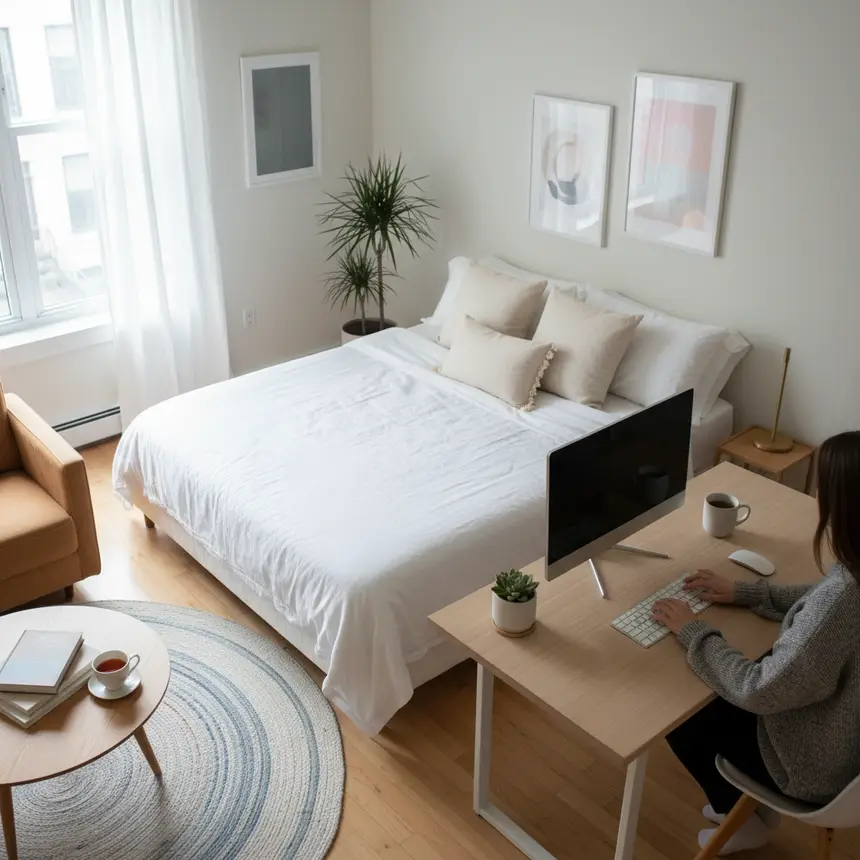
Beyond the joys of living alone lie common household challenges! This article offers efficient lifestyle habits and space optimization tips for solo dwellers. Discover how to simplify home tasks and create your own comfortable living space.

H2. Navigating the Realities of Living Alone
The allure of independent living, especially for those venturing out on their own, often comes with a dose of reality when it comes to managing a household. From first-timers to seasoned solo dwellers, many find themselves grappling with the daily demands of home maintenance. The constant stream of chores in a busy schedule, the perpetual quest for more storage, and the surprisingly substantial cost of living can quickly become major sources of stress. That feeling of dread when you walk into a cluttered apartment after a long day underscores the undeniable need for efficient home management strategies.
To overcome these hurdles and cultivate a comfortable living space, the first step is to honestly assess your current lifestyle and how you approach household tasks. For instance, pinpointing which areas become messy most frequently, identifying what items tend to accumulate unnecessarily, or simply tracking how many hours you dedicate to chores each week can reveal crucial insights. Often, the struggle isn't due to a lack of effort but rather a lack of effective systems and habits. Therefore, adopting a step-by-step approach, setting achievable goals tailored to your individual needs, is key to transforming your solo living experience.
To overcome these hurdles and cultivate a comfortable living space, the first step is to honestly assess your current lifestyle and how you approach household tasks. For instance, pinpointing which areas become messy most frequently, identifying what items tend to accumulate unnecessarily, or simply tracking how many hours you dedicate to chores each week can reveal crucial insights. Often, the struggle isn't due to a lack of effort but rather a lack of effective systems and habits. Therefore, adopting a step-by-step approach, setting achievable goals tailored to your individual needs, is key to transforming your solo living experience.

H2. Smart Strategies for Saving Time and Effort in Home Management
Efficient home management extends beyond just keeping a tidy space; it's a vital component for enhancing your quality of life and reducing stress. By employing a few strategic methods, you can make your independent living experience significantly more enjoyable.
Instead of trying to implement all these strategies at once, pick one or two that seem most manageable and commit to practicing them consistently for about two weeks. Small successes build confidence and motivate you to adopt more habits over time.
- Establish a Weekly Chores Routine: Instead of attempting to do everything daily, assign specific household tasks to different days of the week. For example, dedicate Mondays to bathroom cleaning, Wednesdays to grocery shopping and fridge organization, and Fridays to changing linens and floor cleaning. This approach prevents chore overload on any single day and helps maintain consistency.
- Embrace the Art of Decluttering: Rather than indiscriminately throwing things away, focus on a regular 'decluttering' habit—keeping only what you truly need. Try setting a schedule, perhaps once every three months, to go through your wardrobe or drawers and remove items you haven't used in the past season. This practice not only makes room for new items but also significantly reduces visual clutter.
- Utilize Space-Saving Storage Solutions: In smaller living areas, maximizing vertical space is crucial. Incorporate wall shelves, over-the-door organizers, and under-bed storage bins to free up floor space and keep items neatly out of sight. A good rule of thumb is to store frequently used items within easy reach and less frequently used items in more discreet storage areas.
Instead of trying to implement all these strategies at once, pick one or two that seem most manageable and commit to practicing them consistently for about two weeks. Small successes build confidence and motivate you to adopt more habits over time.
※ This post contains affiliate links. I may earn a commission at no extra cost to you.


H2. The Impact of Small Habits: Real-World Change in Action
Home management isn't a one-time effort but a cumulative result of consistent practice and small, daily habits. Instead of grand plans, start with easily executable goals like 'tidying the living room floor for 5 minutes before bed each night.' These small, repeated actions can lead to significant transformation. For instance, developing the habit of washing dishes immediately after meals helps keep your kitchen consistently clean, reducing the stress associated with a pile of dirty dishes.
In fact, once these management habits become part of your routine, you'll experience positive changes far beyond just a cleaner home. An organized space fosters a sense of psychological calm, and having fewer unnecessary items saves time previously spent searching for things. Furthermore, systematic home management can positively impact your budget by reducing impulsive purchases. It's also beneficial to dedicate time once a month to review how well you've stuck to your household goals and note any improvements. These personal records serve as valuable data for adjusting future plans and maintaining motivation. Ultimately, the changes sparked by these small actions will pave the way for a more relaxed and fulfilling solo living experience.
In fact, once these management habits become part of your routine, you'll experience positive changes far beyond just a cleaner home. An organized space fosters a sense of psychological calm, and having fewer unnecessary items saves time previously spent searching for things. Furthermore, systematic home management can positively impact your budget by reducing impulsive purchases. It's also beneficial to dedicate time once a month to review how well you've stuck to your household goals and note any improvements. These personal records serve as valuable data for adjusting future plans and maintaining motivation. Ultimately, the changes sparked by these small actions will pave the way for a more relaxed and fulfilling solo living experience.
Frequently Asked Questions
Q. What's the most crucial habit for someone just starting to live alone?
A. The most fundamental habit is 'put away immediately after use.' Whether it's returning an item to its place or washing dishes right after a meal, tackling small tasks before they escalate significantly reduces overall household burdens.
Q. Any effective tips for optimizing space in a small studio apartment?
A. Maximize vertical space. Use wall shelves, over-the-door organizers, and under-bed drawers. Also, utilize multi-functional furniture (e.g., storage ottomans, folding tables) to create a more flexible living area.
Q. How can I stay motivated to consistently manage my home?
A. 'Setting small goals' and 'documenting success' are key. Set achievable small goals like tidying for 10 minutes a day or organizing one zone per week. Reward yourself when you achieve these goals or take photos of your transformed space. Positive change itself is the greatest motivator.
Q. How can I break the habit of accumulating things instead of getting rid of them?
A. Adopt a rule: 'discard anything not used in the last year.' While challenging at first, start with a small area (e.g., one drawer) and gradually expand. Prioritizing a comfortable living space over attachment to objects is a crucial practice.
Q. Why does my home get messy so quickly even after cleaning and organizing?
A. This often happens if items don't have a clear 'home' or if you lack sufficient storage. Assign a specific place for everything and declutter ruthlessly to free up storage space. Cultivating an 'organize immediately after use' habit can also slow down the rate at which clutter accumulates.