Learning to cook in your own space can be daunting, but simple habits can lead to delicious meals. Discover essential tips for beginners, from precise measurements and efficient ingredient prep to mastering recipes. Build confidence in your kitchen journey.

Embracing the Kitchen: Navigating Early Culinary Journeys
Moving into your own place marks a new chapter, often filled with exciting new responsibilities. Among these, cooking for yourself can be both a thrill and a challenge. You might have eagerly followed a recipe, only to end up with a dish that missed the mark—perhaps too bland, too salty, or even burnt. I've certainly had my share of kitchen mishaps, often thinking "close enough" would suffice, only to regret it later. Yet, I've learned that with a few straightforward principles, anyone can gain confidence in the kitchen and enjoy preparing delicious meals. This post aims to share practical wisdom, especially for those looking to reduce cooking failures in their own living space. Imagine how just a few simple adjustments can transform your daily meals into something truly satisfying.
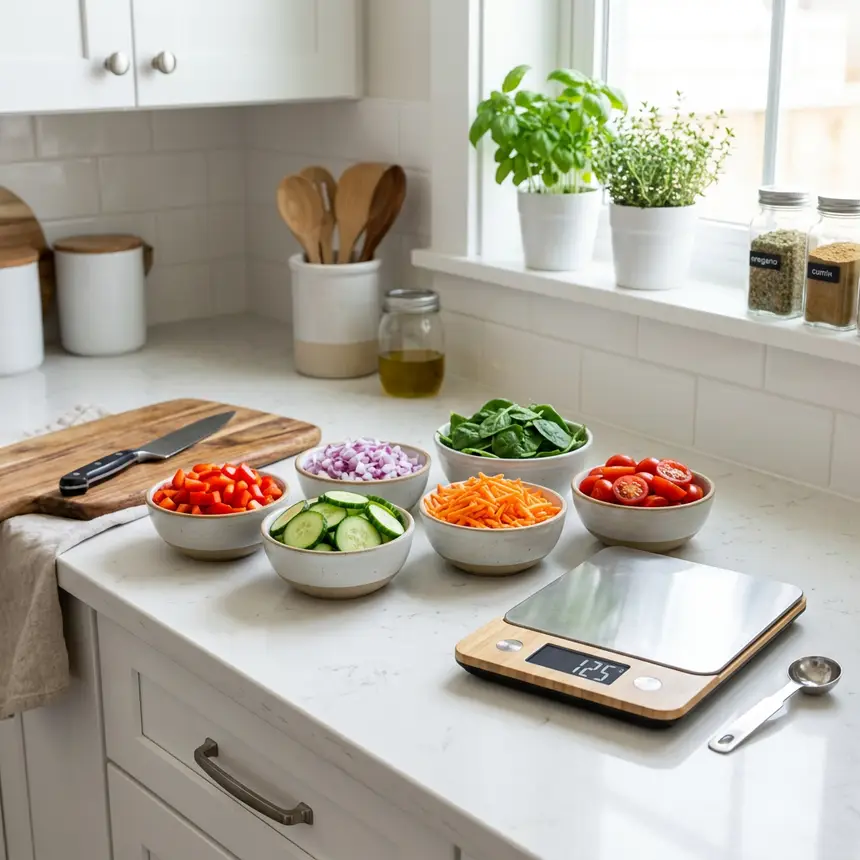
Foundation for Flavor: Precision and Preparation in Your Culinary Space
Unlocking the full potential of your ingredients is fundamental to creating flavorful dishes. This starts with two key habits that enhance both taste and texture. First, cultivating consistent ingredient preparation is crucial. When cooking a medley of vegetables like carrots, onions, and zucchini, uneven cuts can lead to some pieces becoming mushy while others remain undercooked. Aiming for uniform size and thickness ensures even heat distribution, resulting in a harmonized taste and texture throughout your dish. Second, accurate measurement is an often-underestimated cornerstone of successful cooking. Especially for small quantities of seasonings or when crafting complex sauces, relying on measuring spoons and scales is far more reliable than guesswork. Even a slight variation can drastically alter the final flavor profile. If specialized tools aren't readily available, knowing the standard volume of your everyday spoons and cups can serve as an excellent workaround. Systematically preparing your ingredients and precisely gauging quantities before you begin cooking will set you on the path to consistently better culinary outcomes.
※ This post contains affiliate links. I may earn a commission at no extra cost to you.

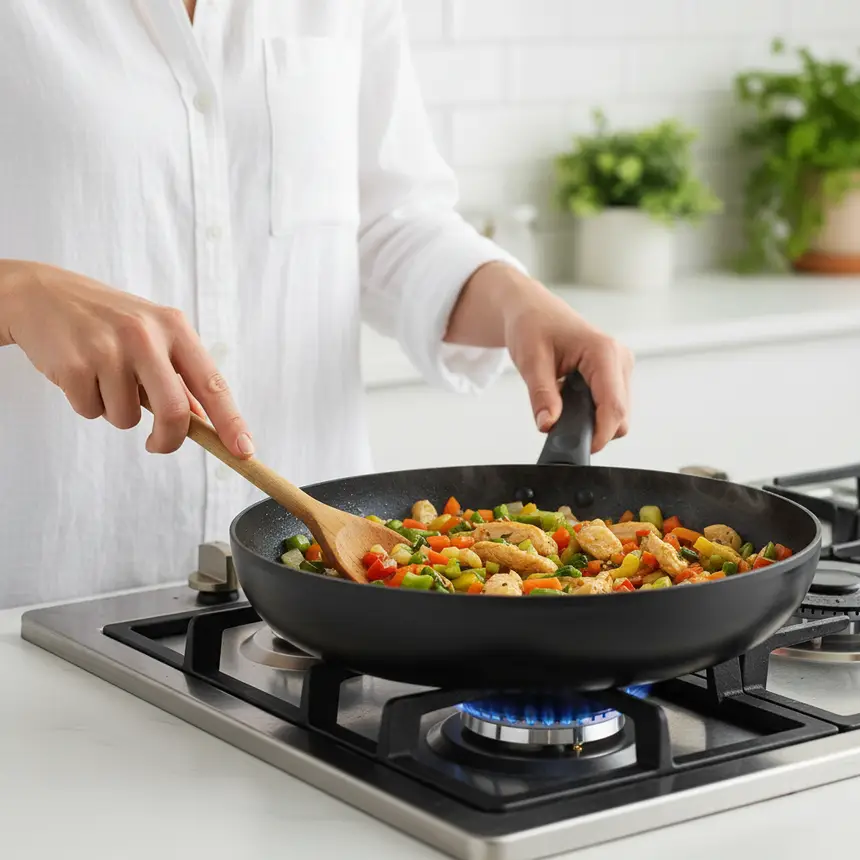
The Art of Cooking: Strategies for a Smooth Culinary Flow
Cooking is more than just combining ingredients; it's an art form deeply tied to timing and heat management. To minimize frustration and culinary missteps in your kitchen, a keen understanding and focus on the cooking process itself are invaluable. This focus is particularly important for beginner home cooks. Begin by familiarizing yourself with the recipe's sequence. Instead of attempting to memorize every detail, try to grasp the overarching flow and estimated cooking times. The order in which ingredients are added, and their exposure to heat, can significantly impact the chemical reactions and overall flavor. For beginners, diligently following the prescribed steps is the most reliable route to a successful dish. Once you're comfortable, you can explore personal adaptations. Next, mastering heat control is a pivotal skill that often determines a dish's success. Sauces and dishes with ample liquid can quickly scorch if left unattended. Prioritize using medium or low heat settings over high heat, and continuously observe your ingredients as they transform. Don't hesitate to reduce the heat or use a lid to manage the internal temperature effectively. These small, attentive habits will collectively elevate the quality of your cooking.
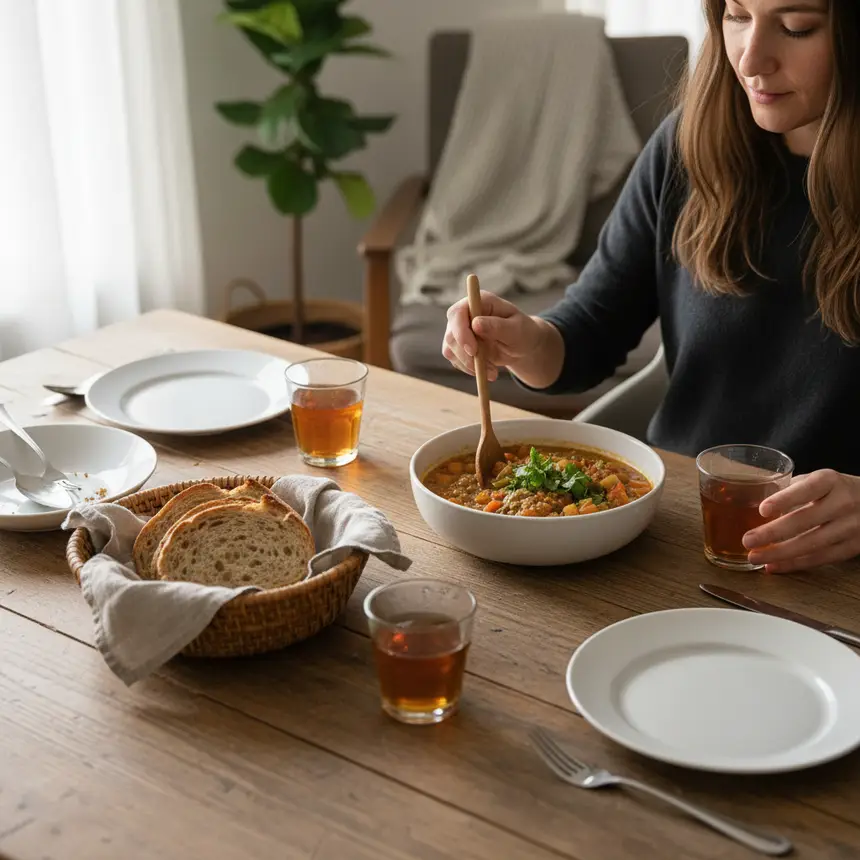
Cultivating Confidence: Enjoying Your Own Kitchen Space
Your kitchen doesn't have to be a source of stress; it can be a vibrant space for creating special meals for yourself and loved ones. The wisdom shared today for reducing cooking failures—systematic ingredient prep, accurate measurements, understanding recipe flow, and careful heat control—are not burdensome rules. Rather, they serve as practical guides to make your daily cooking adventures more predictable and satisfying. Release the pressure to create a perfect dish from the outset. By experimenting gradually and celebrating small victories, you'll discover that your time in the kitchen becomes increasingly comfortable and enjoyable. May your culinary space always be filled with warmth and delicious stories. What new cooking challenge are you excited to try next?
Frequently Asked Questions
Q. What if I don't have measuring tools at home?
A. If you don't have specialized measuring tools, a good alternative is to measure the approximate capacity of your common household spoons and cups. For instance, knowing how many milliliters a standard tablespoon holds can be quite useful.
Q. Do I always have to follow recipes exactly to make good food?
A. Initially, strictly following recipe steps and instructions is crucial to minimize cooking mishaps. Recipes are often structured to account for ingredient properties and chemical reactions. Once you become more confident, you can certainly experiment and adapt recipes to your taste.
Q. How can I practice heat control to avoid burning my dishes?
A. To prevent burning, try practicing with medium or low heat settings rather than high heat. For dishes with a lot of sauce or liquid, stir frequently, use a lid to manage heat retention, and consistently observe the state of your ingredients.
Q. Are there any quick tips for reducing ingredient prep time?
A. Adopting a 'mise en place' habit—preparing all necessary ingredients before you start cooking—is highly effective. On days you have more time, like weekends, you can pre-chop and store vegetables in portions to significantly save time during busy weekdays.