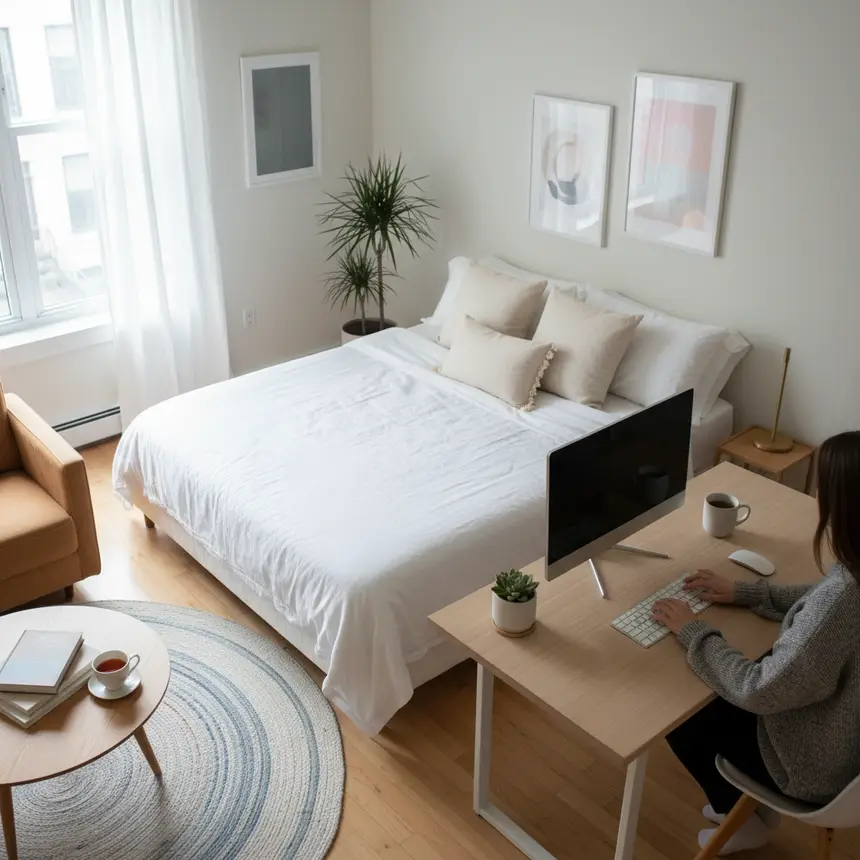
Managing your solo life smarter through online shopping? Discover wise purchasing strategies and lifestyle tips to reduce unnecessary spending and maximize your space. Start a richer solo life with rational consumption habits.

H2. New Beginnings, New Spaces: The Dual Edge of Online Shopping
Embarking on solo living is an exciting journey filled with countless decisions. Among these, efficient online shopping for necessities becomes an indispensable part of independent life. Its convenience—allowing us to easily compare various items and place orders from anywhere—has made it deeply ingrained in our daily routines. However, this ease can hide a darker side: budget strains from impulsive purchases and cluttered small living spaces filled with unnecessary items. By learning to harness online shopping wisely, you can cultivate a more satisfying and well-managed personal sanctuary.
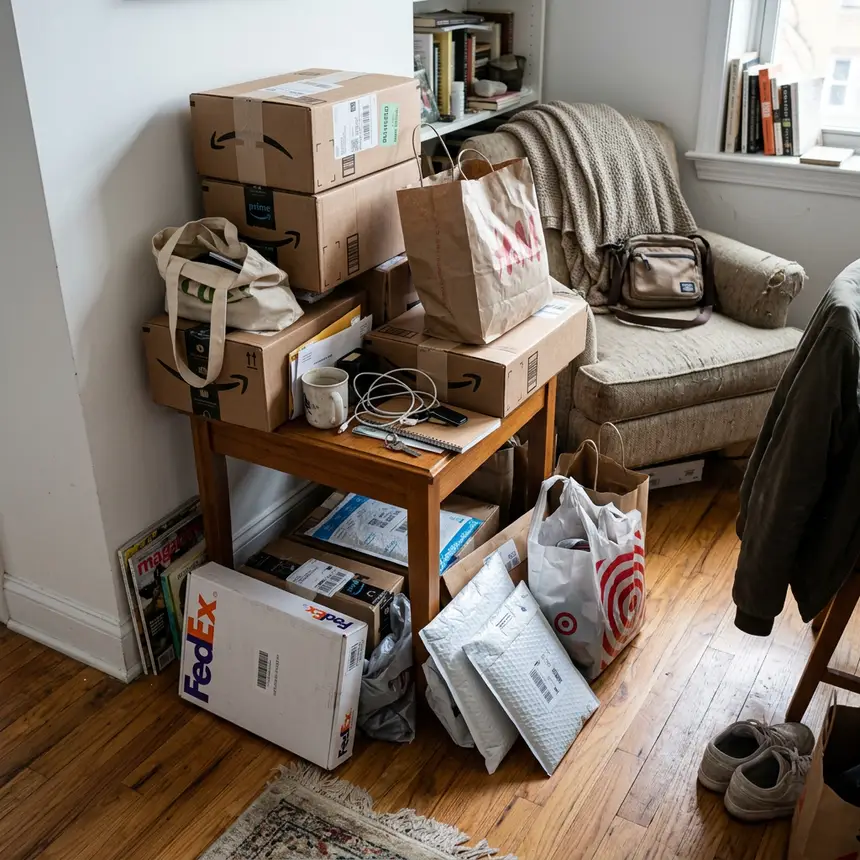
H2. The Accumulation Dilemma: When Your Space Becomes Your Storage
Solo living spaces are typically compact. Yet, the belief that 'this might be useful someday' often leads to an accumulation of items that quickly become burdens. Enticed by limited-time sales or catchy slogans, we often buy things we didn't plan for, only to find they don't quite fit or meet expectations once they arrive, relegating them to a forgotten corner. This kind of impulsive online buying isn't just a waste of money; it's a primary culprit in making your precious living area feel cramped and chaotic. Unused items reduce functional space, making it a constant struggle to find what you need. This cycle often results in stress and a loss of comfort in your own home. Let's explore concrete strategies in the next section to tackle these common issues head-on.
※ This post contains affiliate links. I may earn a commission at no extra cost to you.

H2. Mastering Smart Shopping Habits: Budget and Space Optimization
To maintain the convenience of online shopping while preventing unnecessary spending and clutter, a strategic approach is essential.
- Strategic Timing for Budget Control: Get into the habit of identifying major sales events and postponing non-urgent purchases until then. It's also wise to track price trends to buy at the most opportune moment. For instance, target seasonal transitions or holiday sales.
- Leverage Discount Opportunities: Before making any purchase, always check for available discount coupons or promotional codes from the retailer or your credit card provider. Managing app notifications can also help you catch additional savings.
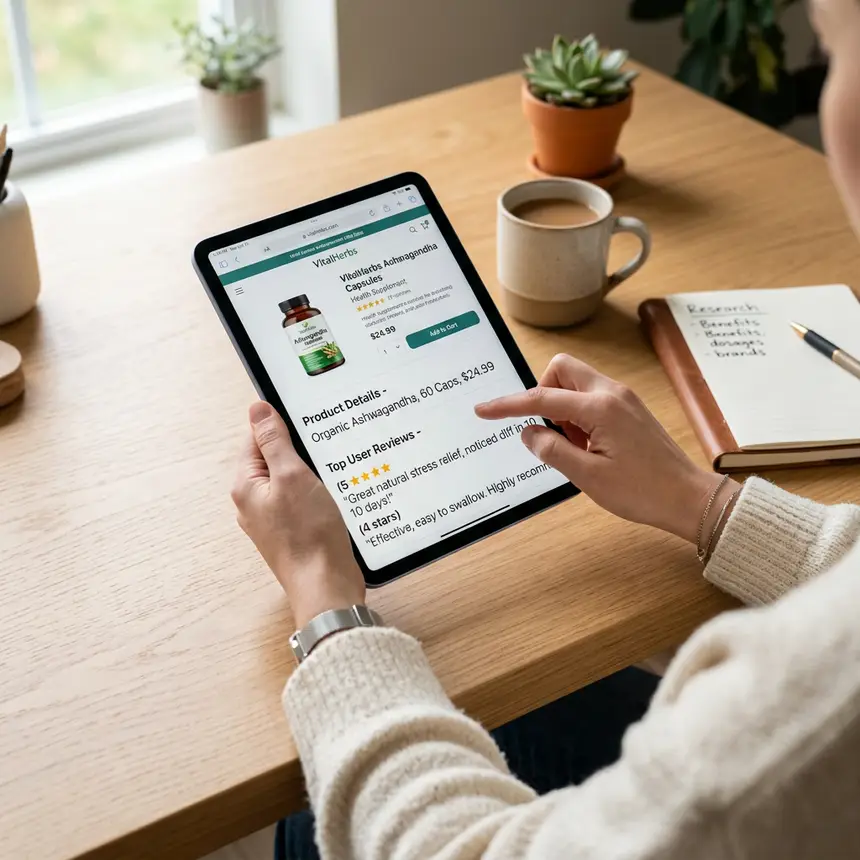
- Analyze Reviews to Minimize Regrets: Thoroughly examine user reviews, especially those with photos and specific usage tips. These provide invaluable insights into a product's practicality and durability, helping you avoid items that don't fit your space or fail to meet expectations, thus preventing wasted space.
- Understand Shipping and Return Policies: To avoid cumbersome return processes and unexpected shipping costs, it's crucial to clearly understand the store's shipping fees and return regulations before buying. Pay extra attention to customs duties and complex return procedures when ordering internationally.
H2. Practical Online Shopping Routines for Daily Life
Transforming theoretical knowledge into practical habits is key. Integrate the following routines into your daily life:
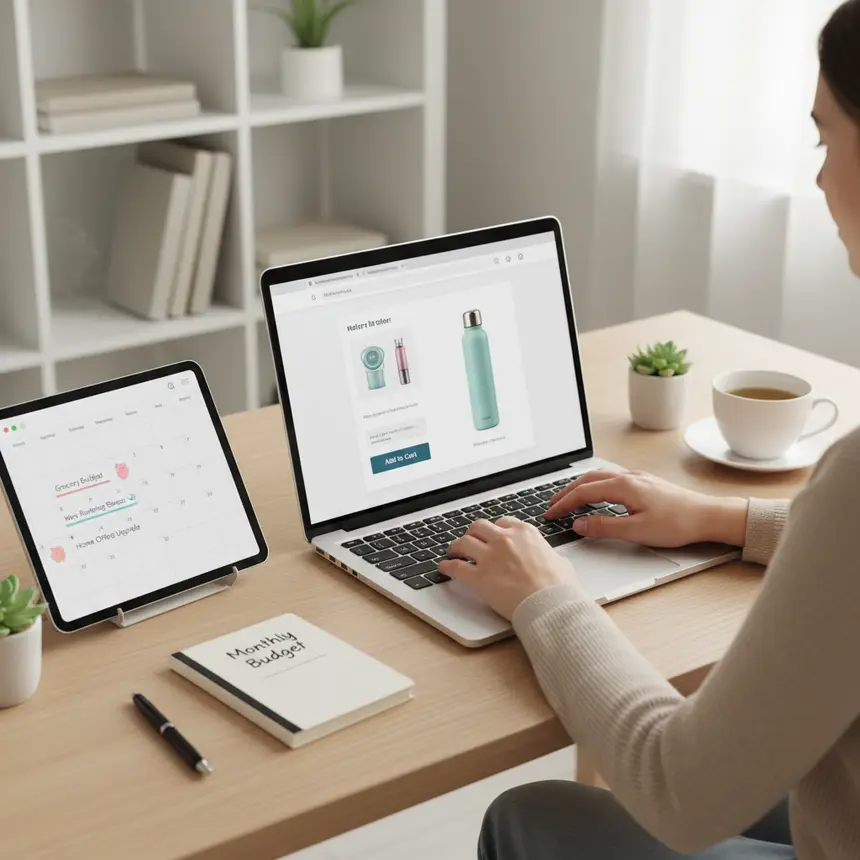
- Utilize Wishlists and Take Time to Reflect: Instead of immediately buying something that catches your eye, add it to your 'cart' or 'wishlist' and wait a few days. Taking time to consider if you truly need the item and if it fits your living space significantly reduces impulse purchases.
- Regular Price Comparison: Use price tracking services to determine the best time to buy specific items. This is an effective way to save money in the long run.
- Explore Second-hand Markets: Don't shy away from the used market, where you can often find quality items at reasonable prices. Furniture and small appliances, for example, can be great second-hand finds that drastically cut down initial setup costs for solo living. However, always inspect the item's condition carefully before purchase and use secure payment methods.
H2. Achieving a More Relaxed Solo Life Through Smart Consumption
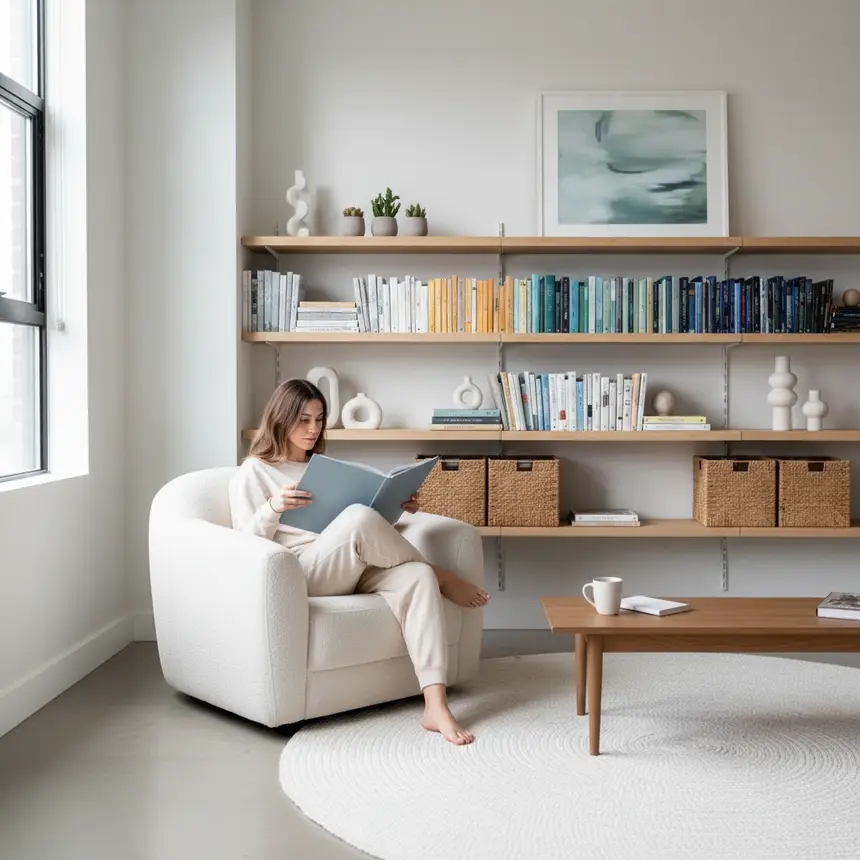
While online shopping is an unavoidable part of solo living, how you engage with it can profoundly impact your quality of life. Adopting planned purchasing habits, actively seeking discounts, and thoroughly researching products before buying will significantly reduce unnecessary spending and prevent clutter from accumulating in your small space. These small, consistent efforts will contribute to both financial freedom and a clean, comfortable living environment. Now, with these smart online shopping strategies, transform your personal space into one that is more valuable and enriching. Your solo living experience is about to become much smarter and more satisfying.
Frequently Asked Questions
Q. What's the first thing a solo dweller should consider when online shopping?
A. The primary considerations should be 'Is this genuinely needed?' and 'Is it suitable for my living space?' Given the typical limited space in solo living, it's crucial to avoid bringing in unnecessary items and to assess if there's ample room for storage.
Q. What are concrete ways to reduce impulse buying?
A. An effective method is to implement a 'cooling-off period' by placing items in a wishlist or cart and waiting at least 24-48 hours before purchasing. During this time, re-evaluate if the item is truly essential.
Q. How can I prevent purchased items from piling up in my home?
A. Before buying, get into the habit of checking if you have existing items that could serve the same purpose or if there's enough dedicated space for the new item. Also, establish a principle to declutter or dispose of items that don't bring satisfaction after use, rather than keeping them.
Q. Are there tips for safely utilizing second-hand marketplaces?
A. When engaging in second-hand transactions, verify the seller's credibility and, if possible, opt for in-person meetups to inspect the item directly. For shipping, request detailed photos and videos of the item's condition and use secure payment systems.