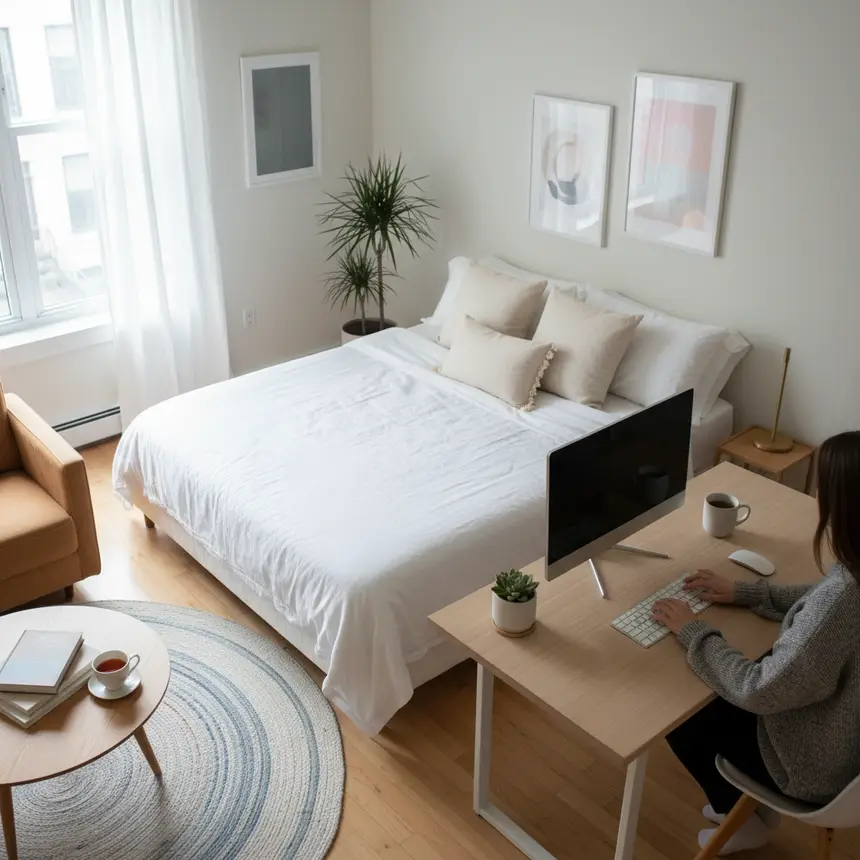
Looking to reduce the burden of cooking in your solo living journey? Discover smart meal prep and efficient kitchen management tips to bring more ease into your daily routine. Learn practical ways to maintain healthy eating even with a busy schedule.

The Daily Grind: Understanding Mealtime Challenges for Solo Dwellers
For anyone living alone, preparing a meal can often feel less like a simple task and more like a significant hurdle after a long day. The thought of pulling out ingredients, chopping, cooking, and then cleaning up can be daunting, often leading to a sigh of resignation. This mental overhead, coupled with the actual time and energy expenditure, frequently pushes individuals toward takeout or convenience foods. When cooking transforms from a necessity into a source of stress, it impacts not just your diet but also your precious free time. Many aspire to reduce meal prep time but find themselves unsure where to even begin. This article aims to explore practical lifestyle management strategies designed to ease the burden of daily cooking, helping you reclaim your evenings and establish a more sustainable routine.

Unpacking the Root Causes of Cooking Overwhelm
A common pitfall for many solo residents is the inherent pressure associated with the word "cooking" itself. There's often an unspoken expectation that meals should be elaborate, gourmet, or at the very least, different every night. This self-imposed standard is arguably the biggest obstacle to consistent home cooking. You don't need to aspire to Michelin-star dining daily. The key lies not in culinary perfection, but in finding methods that are "effortless enough" to be sustainable. For a long-lasting healthy eating habit, simplicity and repeatable routines trump complex, one-off culinary adventures. If cooking feels like a chore, it's a sign that your approach needs reevaluation. Shifting your mindset to prioritize ease and efficiency, tailored to your energy levels and lifestyle, is the foundational step. Embracing cooking as a manageable part of your daily rhythm rather than a daunting obligation begins with this crucial change in perspective.
※ This post contains affiliate links. I may earn a commission at no extra cost to you.


Practical Strategies for Time-Saving Meal Prep
Let's dive into actionable strategies that can significantly lighten the load of meal preparation for those living solo. Even small adjustments can lead to substantial time savings in the kitchen.
1. Streamline Your Ingredient Prep
The daily ritual of washing, peeling, and chopping vegetables before each meal can quickly consume valuable time. To combat this, dedicate a block of time on a less busy day, like a weekend, to pre-prepare ingredients for the upcoming week or a few days. For instance, chop onions, dice carrots, or slice bell peppers and store them in airtight containers in the refrigerator. This minimal upfront effort dramatically lowers the "activation energy" needed to start cooking on busy weeknights, effectively reducing your overall cooking time.
2. Simplify Your Meal Rotation
Constantly brainstorming new meal ideas can lead to "decision fatigue." To alleviate this mental drain, identify 5-7 go-to recipes that you enjoy and find simple to prepare. Then, create a rotating meal plan around these staples. For example, Mondays could be a simple pasta, Tuesdays a stir-fry, and Wednesdays a quick curry. Having a fixed set of reliable meals simplifies your grocery list, ensures you always have necessary ingredients on hand, and makes spontaneous cooking much more feasible. This predictability transforms solo cooking into a smoother, more enjoyable process.
3. Minimize Post-Cooking Cleanup
The sight of a sink full of dirty dishes after a meal can be as daunting as the cooking itself. The most effective way to reduce this burden is by minimizing the number of cooking utensils and pans you use. Embrace "one-pan" or "one-pot" recipes, where all ingredients are cooked together in a single vessel. Dishes like sheet pan dinners, simple stews, skillet meals, or one-pot pasta significantly cut down on the washing-up. This not only makes the cooking process simpler but also ensures you have more time to relax after eating – a crucial aspect of overall lifestyle management.
By integrating these small, intentional habits into your routine, your solo living experience can become more abundant and less stressful. Cooking no longer needs to be a burdensome obligation but can transform into an efficient and enjoyable part of your daily life. The key isn't perfection, but consistency, and building systems that support you, rather than relying solely on willpower.
1. Streamline Your Ingredient Prep
The daily ritual of washing, peeling, and chopping vegetables before each meal can quickly consume valuable time. To combat this, dedicate a block of time on a less busy day, like a weekend, to pre-prepare ingredients for the upcoming week or a few days. For instance, chop onions, dice carrots, or slice bell peppers and store them in airtight containers in the refrigerator. This minimal upfront effort dramatically lowers the "activation energy" needed to start cooking on busy weeknights, effectively reducing your overall cooking time.
2. Simplify Your Meal Rotation
Constantly brainstorming new meal ideas can lead to "decision fatigue." To alleviate this mental drain, identify 5-7 go-to recipes that you enjoy and find simple to prepare. Then, create a rotating meal plan around these staples. For example, Mondays could be a simple pasta, Tuesdays a stir-fry, and Wednesdays a quick curry. Having a fixed set of reliable meals simplifies your grocery list, ensures you always have necessary ingredients on hand, and makes spontaneous cooking much more feasible. This predictability transforms solo cooking into a smoother, more enjoyable process.
3. Minimize Post-Cooking Cleanup
The sight of a sink full of dirty dishes after a meal can be as daunting as the cooking itself. The most effective way to reduce this burden is by minimizing the number of cooking utensils and pans you use. Embrace "one-pan" or "one-pot" recipes, where all ingredients are cooked together in a single vessel. Dishes like sheet pan dinners, simple stews, skillet meals, or one-pot pasta significantly cut down on the washing-up. This not only makes the cooking process simpler but also ensures you have more time to relax after eating – a crucial aspect of overall lifestyle management.
By integrating these small, intentional habits into your routine, your solo living experience can become more abundant and less stressful. Cooking no longer needs to be a burdensome obligation but can transform into an efficient and enjoyable part of your daily life. The key isn't perfection, but consistency, and building systems that support you, rather than relying solely on willpower.
Frequently Asked Questions
Q. Cooking for one feels overwhelming. How should I start?
A. Don't aim for elaborate meals right away. Begin by picking 1-2 super simple recipes that require minimal steps and generate few dishes. Building comfort and confidence with basic cooking is more important than culinary ambition at the start.
Q. Do I need to cook a different meal every day?
A. Not at all! Constantly thinking of new meals can be a huge source of stress. It's much more efficient to have 5-7 favorite, easy-to-make recipes that you can rotate. This simplifies grocery shopping and cuts down on meal prep time.
Q. Any tips for reducing the number of dishes I wash?
A. Absolutely! Focus on "one-pan" or "one-pot" recipes. These involve cooking all your ingredients in a single cooking vessel. Think sheet pan dinners, stir-fries, simple stews, or skillet meals. Minimizing cookware dramatically reduces post-meal cleanup.
Q. How can I cut down on the time spent prepping ingredients?
A. Dedicate some time on a less busy day, like the weekend, to do a bulk prep. Wash and chop vegetables, portion out meats, or even make a big batch of sauce or broth. Having these components ready to go will significantly reduce your daily cooking time.