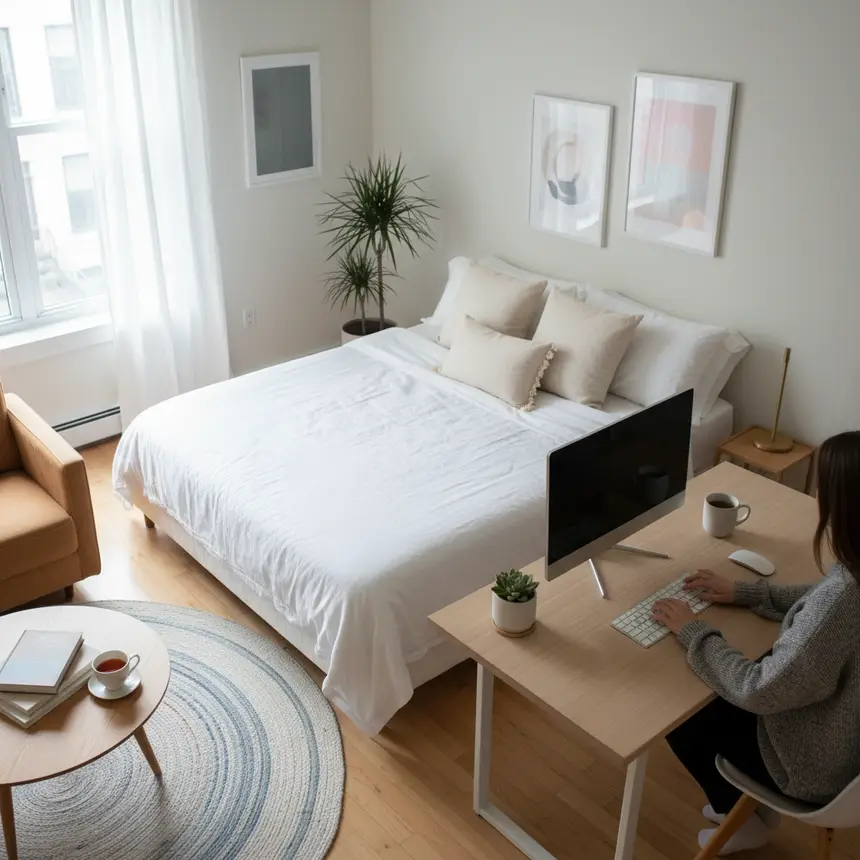
Battling high utility bills in winter? Discover practical energy-saving strategies designed for solo living to create a cozy and budget-friendly home.

H2. Navigating the Unpredictable Costs of Winter Living Alone
As winter approaches, many solo dwellers face a familiar dilemma: how to stay warm without breaking the bank. The shock of a high utility bill can cast a chill over even the coziest apartment, leaving residents hesitant to turn up the heat. This financial stress can disrupt budgets and add unnecessary worry to daily life. However, with a few mindful adjustments and consistent habits, it's entirely possible to boost your heating efficiency, significantly reduce your gas expenses, and create a warmer, more budget-friendly home. Let's move beyond just worrying about costs and proactively adopt smart energy management practices to make our living spaces more efficient and comfortable.

H2. Simple Habits, Significant Savings: Mastering Home Energy Efficiency
Heating costs often represent a substantial portion of fixed expenses during colder months. Fortunately, adopting a few key habits can lead to considerable savings.
1. Regular Heating System Maintenance: Your heating system, like any appliance, benefits from routine care. Aim for a professional inspection at least once or twice a year. This check-up ensures optimal operational efficiency and helps clear any build-up or air pockets in your heating lines, which can impede heat transfer and lead to wasted energy.
2. Utilize 'Away' or 'Eco' Thermostat Settings: When leaving your home for several hours, instead of completely shutting off your heating, consider using an 'away' or 'eco' mode. These settings maintain a minimal indoor temperature, preventing pipes from freezing and reducing the energy required to reheat your space from a very cold state upon your return. It's generally more energy-efficient to maintain a moderate temperature than to allow your home to cool completely and then blast the heat.
3. Optimize Kitchen Appliance Use: When cooking on a gas stove, use pots and pans that have a wider base, matching the burner size, so the flame doesn't extend beyond the cookware. Flames escaping the sides mean wasted gas. Additionally, using lids on pots while cooking can significantly reduce heat loss and speed up cooking times.
4. Adjust Faucet to Cold After Hot Water Use: Make it a habit to turn your faucet to the cold setting after showering or washing dishes. If left on the hot water setting, your water heater might continuously try to maintain hot water in the pipes, leading to unnecessary energy consumption. This small adjustment can prevent hidden energy waste.
5. Practice Smart Ventilation and Appliance Breaks: Even with the heating on, it’s important to periodically open windows for short bursts to ventilate your space. This improves indoor air quality and helps manage humidity. Furthermore, allowing your heating system occasional short breaks, by turning it off for an hour or so, can contribute to its longevity and overall energy efficiency.
1. Regular Heating System Maintenance: Your heating system, like any appliance, benefits from routine care. Aim for a professional inspection at least once or twice a year. This check-up ensures optimal operational efficiency and helps clear any build-up or air pockets in your heating lines, which can impede heat transfer and lead to wasted energy.
2. Utilize 'Away' or 'Eco' Thermostat Settings: When leaving your home for several hours, instead of completely shutting off your heating, consider using an 'away' or 'eco' mode. These settings maintain a minimal indoor temperature, preventing pipes from freezing and reducing the energy required to reheat your space from a very cold state upon your return. It's generally more energy-efficient to maintain a moderate temperature than to allow your home to cool completely and then blast the heat.
3. Optimize Kitchen Appliance Use: When cooking on a gas stove, use pots and pans that have a wider base, matching the burner size, so the flame doesn't extend beyond the cookware. Flames escaping the sides mean wasted gas. Additionally, using lids on pots while cooking can significantly reduce heat loss and speed up cooking times.
4. Adjust Faucet to Cold After Hot Water Use: Make it a habit to turn your faucet to the cold setting after showering or washing dishes. If left on the hot water setting, your water heater might continuously try to maintain hot water in the pipes, leading to unnecessary energy consumption. This small adjustment can prevent hidden energy waste.
5. Practice Smart Ventilation and Appliance Breaks: Even with the heating on, it’s important to periodically open windows for short bursts to ventilate your space. This improves indoor air quality and helps manage humidity. Furthermore, allowing your heating system occasional short breaks, by turning it off for an hour or so, can contribute to its longevity and overall energy efficiency.
※ This post contains affiliate links. I may earn a commission at no extra cost to you.


H2. Cultivating a Sustainable Lifestyle: Beyond Just Saving a Dime
The energy-saving tips for solo dwellers we've discussed are more than just temporary fixes for winter. They represent an opportunity to embed sustainable energy habits into your daily routine, leading to consistent savings throughout the year. Consider dedicating a specific day each week as an 'energy check-up day' to review your thermostat settings, faucet positions, and even the cookware you're using.
These efforts extend beyond just financial benefits. They contribute to creating a more comfortable and healthier living environment. Improved indoor air quality and consistently maintained temperatures foster a sense of well-being and support a more productive lifestyle. Moreover, boosting your energy efficiency is a small yet meaningful step towards environmental stewardship. While these practices might feel new initially, consistent application will soon make them second nature, leading to effortlessly smart home management. This winter, embrace these minor changes to achieve both warmth and significant savings.
These efforts extend beyond just financial benefits. They contribute to creating a more comfortable and healthier living environment. Improved indoor air quality and consistently maintained temperatures foster a sense of well-being and support a more productive lifestyle. Moreover, boosting your energy efficiency is a small yet meaningful step towards environmental stewardship. While these practices might feel new initially, consistent application will soon make them second nature, leading to effortlessly smart home management. This winter, embrace these minor changes to achieve both warmth and significant savings.
Frequently Asked Questions
Q. How often should I have my heating system checked in a small apartment?
A. It's recommended to have your heating system professionally inspected at least once or twice a year to maintain efficiency and prevent issues. The fall, before the heaviest winter usage, is an ideal time for this check-up.
Q. Is it better to turn off my heat completely when I leave for work?
A. For shorter absences, using an 'away' or 'eco' mode on your thermostat is generally more energy-efficient than completely turning off your heat. Reheating a fully cooled space consumes more energy, and it also helps prevent pipes from freezing.
Q. Why should I turn my faucet to cold after using hot water?
A. Leaving the faucet on the hot water setting can cause your water heater to continuously cycle, trying to maintain hot water in the pipes, which wastes energy. Switching it to cold prevents this unnecessary energy consumption.