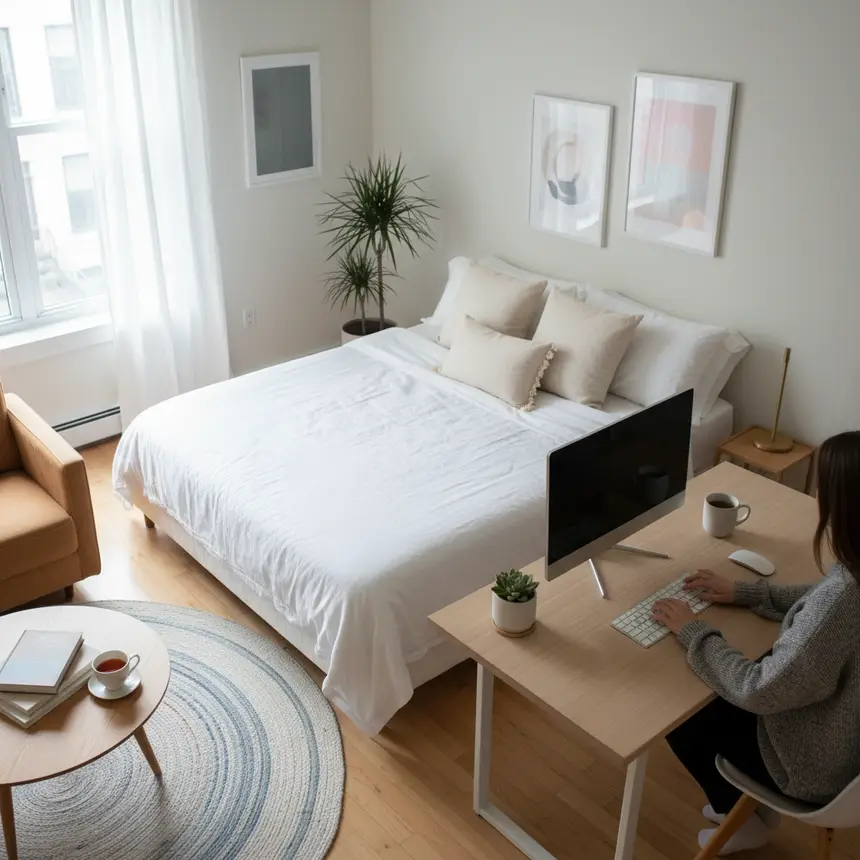
Feeling overwhelmed setting up your first studio apartment? Discover key tips to maximize space efficiency and practical living management. Create your perfect, comfortable sanctuary with smart interior design and organizing habits.

The Excitement and Reality of Setting Up Your First Solo Pad
Embarking on self-living is a thrilling chapter, marking a new era of independence. The thought of curating your own personal space often sparks dreams of Pinterest-perfect interiors. Yet, facing an empty room can quickly shift excitement to bewilderment. Many first-time solo dwellers grapple with where to begin, feeling overwhelmed by the sheer number of choices and the lack of practical know-how. Before diving into furniture purchases or decorative accents, it's crucial to pause and strategize. A well-thought-out plan, tailored to your unique lifestyle, lays the foundation for a truly satisfying home. Let's explore how to navigate this journey with efficiency and practicality, ensuring your first solo space is both beautiful and functional.

Essential Checks for Maximizing Your Living Space
Before any decor decisions, the primary step is to ensure your living space genuinely supports your daily routine. Prioritizing functionality over mere aesthetics will prevent future frustrations and create a truly comfortable environment.
1. Understand Your Room's Blueprint: Start by mapping out the basic layout of your apartment. Consider the natural flow of movement from the entrance to your primary areas like the bed or desk. Pinpoint window locations, electrical outlets, and internet ports, as these dictate optimal furniture placement. If you're lucky enough to have bonus areas like a balcony or loft, envision their potential uses early on for seamless integration.
2. Unlock the Power of Vertical Storage: In compact apartments, floor space is a precious commodity. The solution often lies upwards. Embrace wall-mounted shelving, narrow pantry pull-outs, under-bed drawers, or multi-tiered organizers. By expanding your storage vertically, you free up valuable floor area, making your space feel larger and less cluttered. A tidy, well-organized room inherently appears more spacious.
3. Scrutinize Existing Furnishings: For apartments that come furnished, a thorough inspection is non-negotiable. Don't assume everything will fit your needs. Personally verify the condition, size, and placement of provided appliances and furniture. You might find the fridge is smaller than anticipated or the desk height is unsuitable. This preemptive check prevents unnecessary purchases and guides you toward smart additions.
4. Wise Furniture Choices: Prioritize Mobility and Adaptability: Large, bulky furniture can quickly become a moving-day nightmare, especially in buildings with narrow hallways or no elevators. Opt for pieces that are lightweight, easy to assemble, or multi-functional like foldable tables or sofa beds. Such choices enhance daily flexibility and significantly reduce the stress and cost associated with future relocations.
1. Understand Your Room's Blueprint: Start by mapping out the basic layout of your apartment. Consider the natural flow of movement from the entrance to your primary areas like the bed or desk. Pinpoint window locations, electrical outlets, and internet ports, as these dictate optimal furniture placement. If you're lucky enough to have bonus areas like a balcony or loft, envision their potential uses early on for seamless integration.
2. Unlock the Power of Vertical Storage: In compact apartments, floor space is a precious commodity. The solution often lies upwards. Embrace wall-mounted shelving, narrow pantry pull-outs, under-bed drawers, or multi-tiered organizers. By expanding your storage vertically, you free up valuable floor area, making your space feel larger and less cluttered. A tidy, well-organized room inherently appears more spacious.
3. Scrutinize Existing Furnishings: For apartments that come furnished, a thorough inspection is non-negotiable. Don't assume everything will fit your needs. Personally verify the condition, size, and placement of provided appliances and furniture. You might find the fridge is smaller than anticipated or the desk height is unsuitable. This preemptive check prevents unnecessary purchases and guides you toward smart additions.
4. Wise Furniture Choices: Prioritize Mobility and Adaptability: Large, bulky furniture can quickly become a moving-day nightmare, especially in buildings with narrow hallways or no elevators. Opt for pieces that are lightweight, easy to assemble, or multi-functional like foldable tables or sofa beds. Such choices enhance daily flexibility and significantly reduce the stress and cost associated with future relocations.
※ This post contains affiliate links. I may earn a commission at no extra cost to you.


Sustainable Habits for a Continuously Pleasant Home
While setting up your initial living space is important, maintaining its comfort and order can feel like a greater challenge. Implementing a few simple routines can keep your apartment consistently tidy, fostering a sense of calm and well-being.
1. Adopt the "One-Touch" Rule: The most powerful habit is putting things away immediately after use. Clothes go straight into the hamper or on a hanger, dishes are washed right after cooking, and books return to the shelf. This small action prevents clutter from accumulating and spiraling out of control.
2. Regular Decluttering Sessions: Schedule periodic "purges" – perhaps once a month – to review and remove items you no longer need or use. This could include unworn clothes, expired pantry items, or unread books. Releasing these items creates breathing room, makes finding things easier, and cultivates a sense of lightness in your home. It’s about keeping only what genuinely serves you.
3. Establish a Realistic Cleaning Schedule: Instead of aiming for perfection, focus on consistency. A quick 5-minute tidy-up daily (wiping surfaces, sweeping a high-traffic area) combined with a more thorough weekly session (bathroom scrub, changing bed linens) works wonders. Start small and build up, making cleaning a manageable part of your routine rather than a dreaded chore.
4. Strategic Budgeting for Your Space: It's easy to overspend on decor when first setting up. Prioritize essential, durable furniture items first, then gradually add decorative elements as your budget allows. Focusing on practicality and multi-purpose items within your financial limits helps avoid buyer's remorse and creates a more satisfying home environment over time.
1. Adopt the "One-Touch" Rule: The most powerful habit is putting things away immediately after use. Clothes go straight into the hamper or on a hanger, dishes are washed right after cooking, and books return to the shelf. This small action prevents clutter from accumulating and spiraling out of control.
2. Regular Decluttering Sessions: Schedule periodic "purges" – perhaps once a month – to review and remove items you no longer need or use. This could include unworn clothes, expired pantry items, or unread books. Releasing these items creates breathing room, makes finding things easier, and cultivates a sense of lightness in your home. It’s about keeping only what genuinely serves you.
3. Establish a Realistic Cleaning Schedule: Instead of aiming for perfection, focus on consistency. A quick 5-minute tidy-up daily (wiping surfaces, sweeping a high-traffic area) combined with a more thorough weekly session (bathroom scrub, changing bed linens) works wonders. Start small and build up, making cleaning a manageable part of your routine rather than a dreaded chore.
4. Strategic Budgeting for Your Space: It's easy to overspend on decor when first setting up. Prioritize essential, durable furniture items first, then gradually add decorative elements as your budget allows. Focusing on practicality and multi-purpose items within your financial limits helps avoid buyer's remorse and creates a more satisfying home environment over time.

Your Journey to Creating a Cozy Personal Sanctuary
Your self-living space is far more than just four walls; it's a reflection of your personality, habits, and aspirations. Instead of striving for an "insta-perfect" apartment from day one, embrace the process of gradually shaping and refining it. By applying the practical guidelines and cultivating the daily habits we've discussed, you can transform your space into a peaceful haven from the outside world. Each small step you take contributes to building an ideal living environment, enriching your solo journey and making your apartment truly feel like home.
Frequently Asked Questions
Q. What's the most important consideration when setting up my first solo apartment?
A. Understanding your room's layout and natural traffic flow is paramount. Plan major furniture placements by considering electrical outlets and window positions, then visualize how you'll utilize the space based on your daily routine. This practical approach is the most efficient starting point.
Q. How can I maximize storage in a small studio apartment?
A. The key is to utilize vertical space. Employ wall-mounted shelves, slim rolling carts for tight corners, under-bed storage drawers, and over-the-door organizers. By building upwards rather than outwards, you free up valuable floor space, making your room feel much more open and functional.
Q. What should I prioritize when choosing furniture for my solo living space?
A. Prioritize practicality and mobility. Opt for furniture that is easy to assemble, foldable, or multi-functional, rather than bulky or heavy pieces. This not only enhances daily usability but also simplifies future moves. Look for items that can serve multiple purposes to optimize space.
Q. What are effective habits for keeping my apartment consistently tidy?
A. The "one-touch" rule is crucial: put items back in their designated place immediately after use. Additionally, establish regular decluttering sessions to get rid of unnecessary items and create a simple daily cleaning routine (e.g., 5-minute tidy-up) to maintain a consistently pleasant environment.
Q. Any tips for setting a realistic budget for decorating a solo apartment?
A. Allocate your budget to essential, durable furniture (like a bed and desk) first. Then, gradually add decorative items as your finances allow. Avoid impulse purchases and prioritize practical, multi-purpose items. Sticking to a budget and buying only what's truly needed will prevent overspending and lead to higher satisfaction.