Master studio fridge organization! Learn practical tips to efficiently use limited space with smart storage containers and reduce food waste. Start enjoying a stress-free independent living experience with an organized refrigerator.

H2. Is Your Studio Fridge a Mystery Box?
In the compact world of studio living, your refrigerator is more than just a place to keep food cold; it's a vital hub for daily meals and preserving precious ingredients. Yet, many of us face the same daily struggle: opening the fridge door only to be greeted by a chaotic jumble of mismatched containers, unlabeled bags, and forgotten items buried in the back. This disarray doesn't just lead to food waste; it can stifle your motivation to cook healthy meals. Today, we'll explore practical strategies for transforming your small kitchen space into an organized and pleasant environment, starting with smart fridge organization and efficient use of storage containers. Mastering your fridge can significantly elevate the quality of your independent living experience.
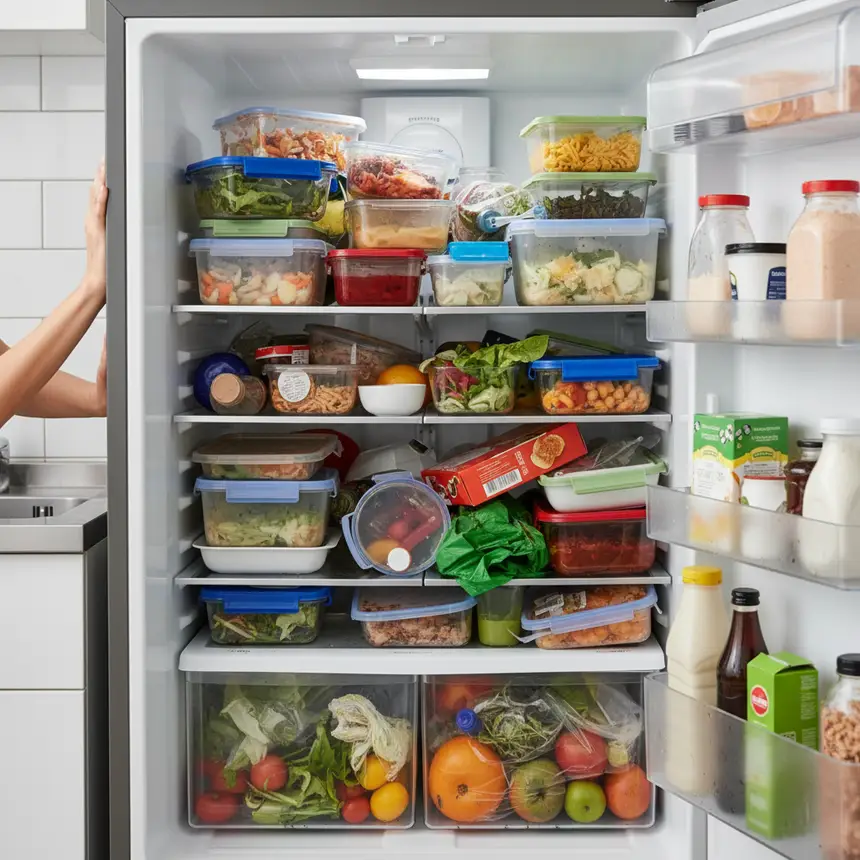
H2. Unpacking the Fridge Frenzy: Why Does It Always Get Messy?
A perpetually messy refrigerator often stems from a few common habits. Firstly, the tendency to simply stack groceries without a system makes it impossible to know what you have, leading to expired food and wasted money. Frequently used ingredients or prepped meals are easily overlooked and forgotten. Secondly, the freezer often presents its own challenges. Freezing soups or broths often results in them sticking stubbornly to the container's bottom, prolonging thawing times or even damaging containers during removal. Lastly, a mix of various container sizes and shapes creates inefficient use of valuable fridge real estate. This often results in the frustrating declaration, 'There's nothing to eat!' despite a full fridge. Recognizing these issues is the first step toward achieving a well-managed and tidy refrigerator.
※ This post contains affiliate links. I may earn a commission at no extra cost to you.

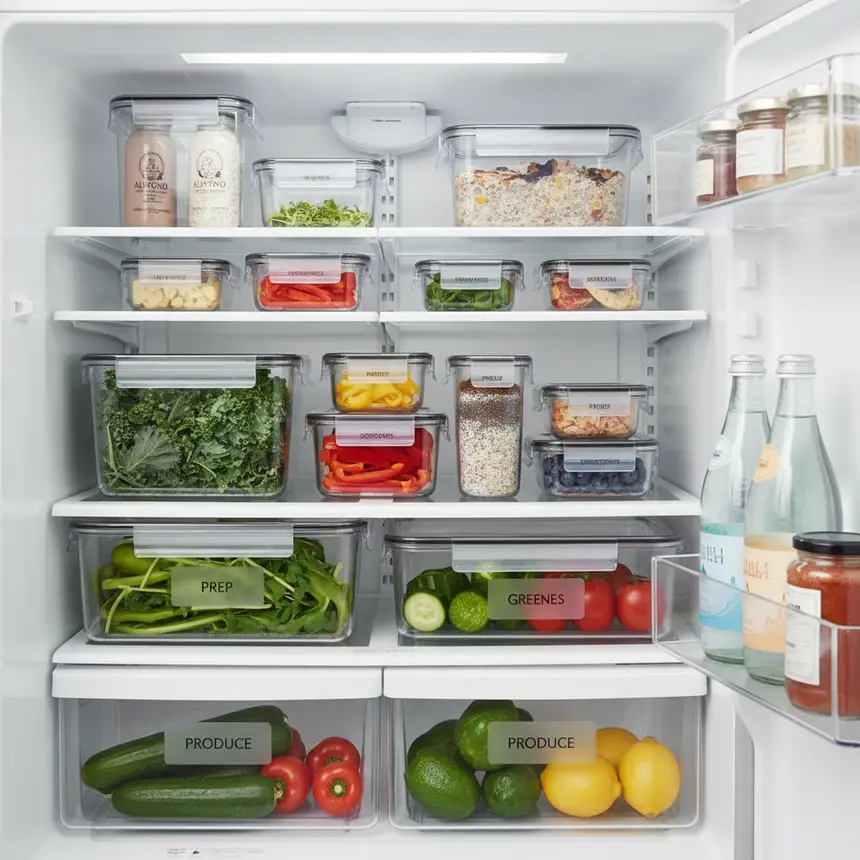
H2. Smart Container Choices and Space Optimization Strategies
The key to effective fridge organization lies in selecting the right storage containers and utilizing them strategically. Containers do more than just hold food; they optimize fridge space and help keep ingredients fresh longer. Consider these three strategies:
- Embrace Modular Design: Using uniform containers that stack neatly allows you to 'puzzle-piece' your fridge interior, filling every available nook. Slim containers are perfect for narrow gaps, while deeper ones are ideal for soups or larger meal prep portions. This creates a visually clean aesthetic and maximizes vertical space.
- Prioritize Easy Access and Identification: Look for containers with textured bottoms, which prevent frozen foods from sticking, allowing for easy release with a simple twist. Integrated seals, where the gasket is part of the lid, simplify cleaning by eliminating tricky crevices where food particles can hide. Using different colored containers can help categorize foods—say, one color for meats, another for vegetables—saving you time when searching.
- Opt for Safe Materials: Since these containers directly contact your food, choose products certified as BPA-free and tested for harmful substances. This is especially crucial for households with children. Safe, high-quality materials also contribute to maintaining food freshness.
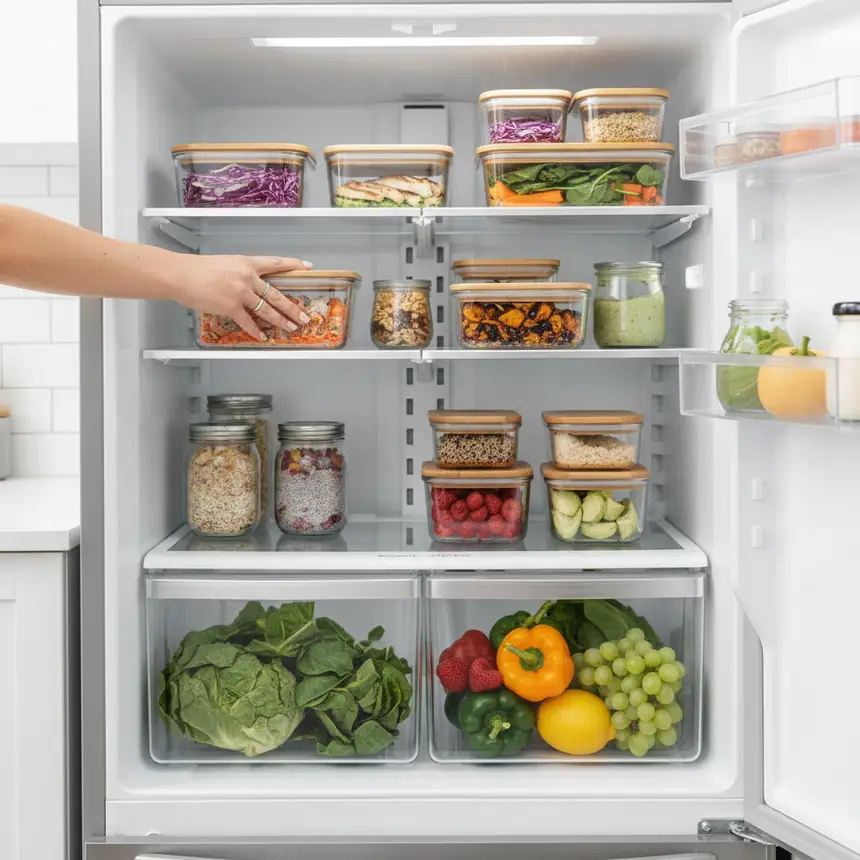
H2. Practical Steps to Organize Your Fridge Today
Here are concrete steps you can take to organize your refrigerator:
1. Empty and Assess: Remove everything from your fridge. Check expiration dates and discard any expired or unnecessary items. While it's empty, give the interior a thorough wipe-down.
2. Portion and Containerize: Sort your ingredients by type and place them into appropriately sized storage containers. For instance, portion cooked rice into single servings for freezing, or divide soups into 1-2 meal portions. If you have various colored containers, assign a color to a food category for quick identification.
3. Simplify Frozen Food Removal: Utilize containers designed with features like a slightly textured bottom. When frozen food is stuck, a gentle twist can often release it easily. This eliminates the struggle of trying to pry out frozen items.
4. Optimize Accessibility: Place frequently used items like condiments and daily snacks on the door shelves for easy access. This reduces the time your fridge door stays open, contributing to energy efficiency.
By adopting these habits, your fridge will transform from a chaotic maze into an efficient, clean treasure trove.
1. Empty and Assess: Remove everything from your fridge. Check expiration dates and discard any expired or unnecessary items. While it's empty, give the interior a thorough wipe-down.
2. Portion and Containerize: Sort your ingredients by type and place them into appropriately sized storage containers. For instance, portion cooked rice into single servings for freezing, or divide soups into 1-2 meal portions. If you have various colored containers, assign a color to a food category for quick identification.
3. Simplify Frozen Food Removal: Utilize containers designed with features like a slightly textured bottom. When frozen food is stuck, a gentle twist can often release it easily. This eliminates the struggle of trying to pry out frozen items.
4. Optimize Accessibility: Place frequently used items like condiments and daily snacks on the door shelves for easy access. This reduces the time your fridge door stays open, contributing to energy efficiency.
By adopting these habits, your fridge will transform from a chaotic maze into an efficient, clean treasure trove.
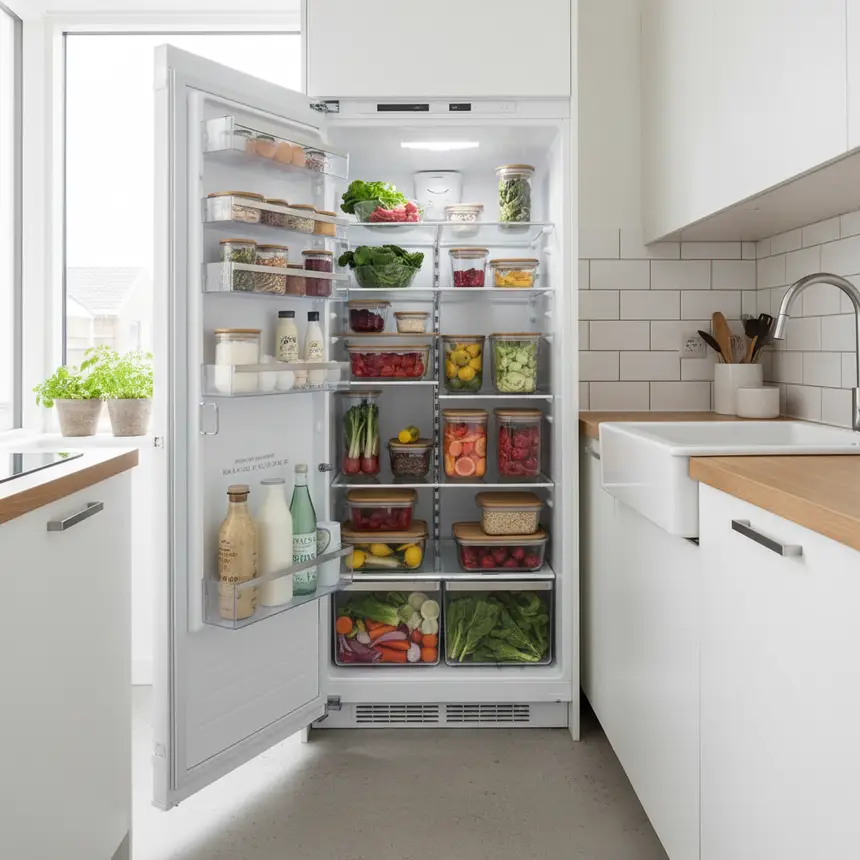
H2. Towards a Stress-Free Studio Lifestyle
Organizing your refrigerator and wisely using storage containers goes beyond just tidying up; it positively impacts your entire studio living experience. Being able to see all your ingredients at a glance reduces food waste and significantly aids in meal planning. Cooking becomes a more enjoyable activity, laying the foundation for healthier eating habits. The subtle stresses you once felt opening your fridge will dissipate, replaced by the satisfaction and pride of a clean, well-ordered space. Don't wait; open your fridge door now and initiate this small but impactful change. A single organizing session can truly transform your quality of life. Embrace a more relaxed and fulfilling independent living journey with a perfectly organized refrigerator.
Frequently Asked Questions
Q. My frozen food always sticks to the container. How can I solve this?
A. Opt for containers with a specially designed textured bottom. This feature helps prevent food from sticking. Often, giving the container a slight twist after freezing can help release the contents easily. Look for containers that specifically promote this easy-release function.
Q. Won't using many containers make my small studio fridge even more cramped?
A. Not if you choose modular storage containers. Their uniform sizes allow them to stack efficiently and fit together like puzzle pieces, maximizing every inch of space. Use slim containers for narrow gaps and select sizes that perfectly match your food items to avoid wasted space.
Q. I'm concerned about the hassle of cleaning food storage containers.
A. Look for containers with integrated sealing gaskets. These designs eliminate the need to remove separate silicone seals for cleaning, preventing food particles from getting trapped in crevices and making them much more hygienic and easier to maintain.
Q. What material should I look for when buying food storage containers?
A. Since these containers come into direct contact with food, it's crucial to choose products that are BPA-free and made from food-safe, non-toxic materials. Durable and heat-resistant materials will also ensure they last longer and remain hygienic over time.
Q. Do you have any tips for maintaining a consistently organized fridge?
A. Develop a habit of portioning and storing groceries in containers immediately after shopping. Schedule regular 'fridge clean-out' days to check for expired items. Using clear containers or labeling them also helps you quickly identify contents, making maintenance easier.