Discover essential tips for maintaining cutting board hygiene and maximizing efficiency in your small kitchen. From preventing cross-contamination to optimizing space, get practical advice for a healthier home life.

H2. The Reality of Small Kitchens: Hygiene and Space Constraints
Living in a studio apartment or a small space often means navigating a compact kitchen. While it offers the convenience of accessibility, it also presents unique challenges. This vital space, used daily for meal preparation, can quickly become cluttered, making consistent cleanliness a struggle. Cutting boards, central to our cooking, are frequently used but often neglected in terms of proper hygiene. Deep knife marks create ideal breeding grounds for unseen microorganisms, posing a risk of foodborne illness. Furthermore, the limited storage space often leads to using a single board for all tasks, increasing the potential for cross-contamination. How can we tackle these common challenges to maintain a clean and efficient kitchen, especially regarding cutting board hygiene?
H2. Essential Principles for Impeccable Cutting Board Management
Your cutting board is the frontline of kitchen hygiene. By adopting smart management practices, you can foster a healthier and cleaner cooking environment. Here are some key principles you can easily put into practice:
Adhering to these fundamental principles will noticeably elevate your kitchen's hygiene standards.
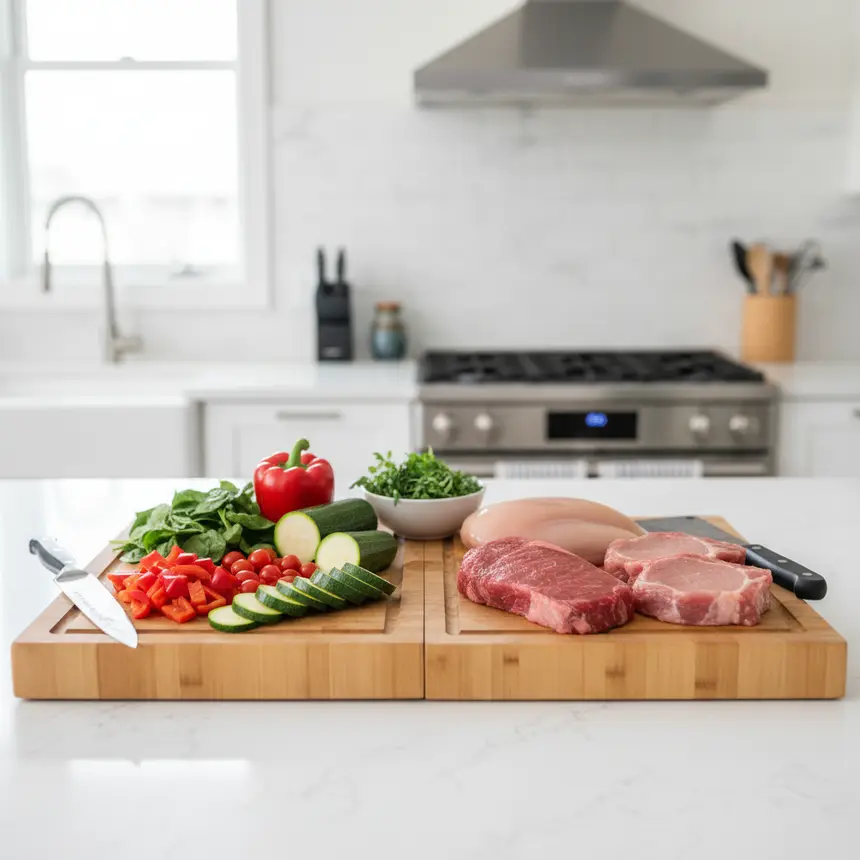
- Designate Uses: Opt for a cutting board that can be used on both sides or one that features distinct colors. For instance, dedicate one surface or color for fresh produce like vegetables and fruits, and the other for raw meats, fish, or strong-colored ingredients like kimchi. This simple segregation effectively prevents cross-contamination and helps preserve the true flavors of your ingredients.
- Consider Material Qualities: A heat-resistant cutting board that won't warp when hot pots or food are placed on it offers greater versatility. Furthermore, surfaces with a slight textured finish can protect your knife blades and provide a non-slip grip, making chopping safer and smoother.
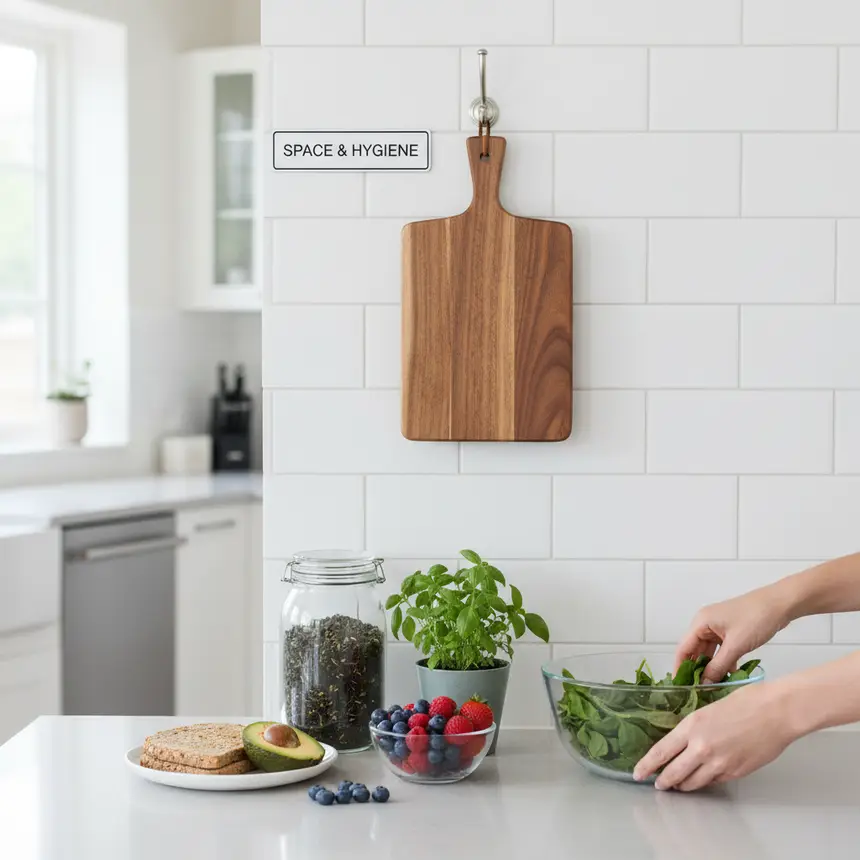
- Prioritize Quick Drying and Smart Storage: Always wash your cutting board immediately after use and choose materials that dry quickly. Boards with handles designed for hanging or those that can stand upright in a well-ventilated area will dry faster, significantly curbing bacterial growth. Regular sterilization with boiling water can further eliminate lingering germs and odors, boosting overall hygiene.
Adhering to these fundamental principles will noticeably elevate your kitchen's hygiene standards.
※ This post contains affiliate links. I may earn a commission at no extra cost to you.

H2. Small Habits, Big Impact: Fostering a Healthier Living Space
Integrating these cutting board management principles into your daily life is simpler than it seems. Even minor adjustments to your routine can significantly enhance the quality of your small living space.
These small but impactful changes represent practical wisdom for managing a healthy and efficient home, even amidst a busy schedule. Start building your personalized cutting board routine today and experience the positive transformation.
- Build Daily Routines: Make it a habit to wash and dry your cutting board immediately after every use. Consciously using designated sides for different food types will organically create a more hygienic cooking environment. For example, you might decide to prep fruits and vegetables in the morning and handle meats later in the evening.
- Smart Space Utilization: A multi-functional cutting board that serves dual purposes minimizes the need for multiple boards, freeing up precious counter and cabinet space in a compact kitchen. Designs that allow for hanging storage further optimize your workspace.
- Health and Peace of Mind: By maintaining a hygienic cutting board, you reduce the risk of foodborne illnesses and can prepare meals with greater confidence, free from concerns about germ proliferation. This isn't just about a cleaner kitchen; it's a crucial step in safeguarding your health. Plus, by protecting your knives and board from damage, you'll enjoy a longer lifespan for your tools, offering economic benefits in the long run.
These small but impactful changes represent practical wisdom for managing a healthy and efficient home, even amidst a busy schedule. Start building your personalized cutting board routine today and experience the positive transformation.
Frequently Asked Questions
Q. How often should I replace my cutting board?
A. It's generally recommended to consider replacement when your cutting board accumulates deep knife grooves or starts to show discoloration, as these can harbor bacteria. Typically, every 1-2 years is a good guideline, but this can vary based on usage frequency and how well it's maintained.
Q. What are some tips for efficiently storing cutting boards in a small kitchen?
A. Look for cutting boards with integrated hooks for hanging on a wall or choose a model that can stand upright in a drying rack or storage organizer. Utilizing a multi-purpose cutting board can also save space by reducing the need for multiple single-function boards.
Q. Can I safely cut hot food directly on any cutting board?
A. Cutting boards made from heat-resistant materials are designed to withstand hot items without deforming, making them safe for immediate use. However, standard plastic or wooden boards can warp or be damaged by high heat, so it's best to let food cool slightly or use a specialized heat-resistant board for such tasks.