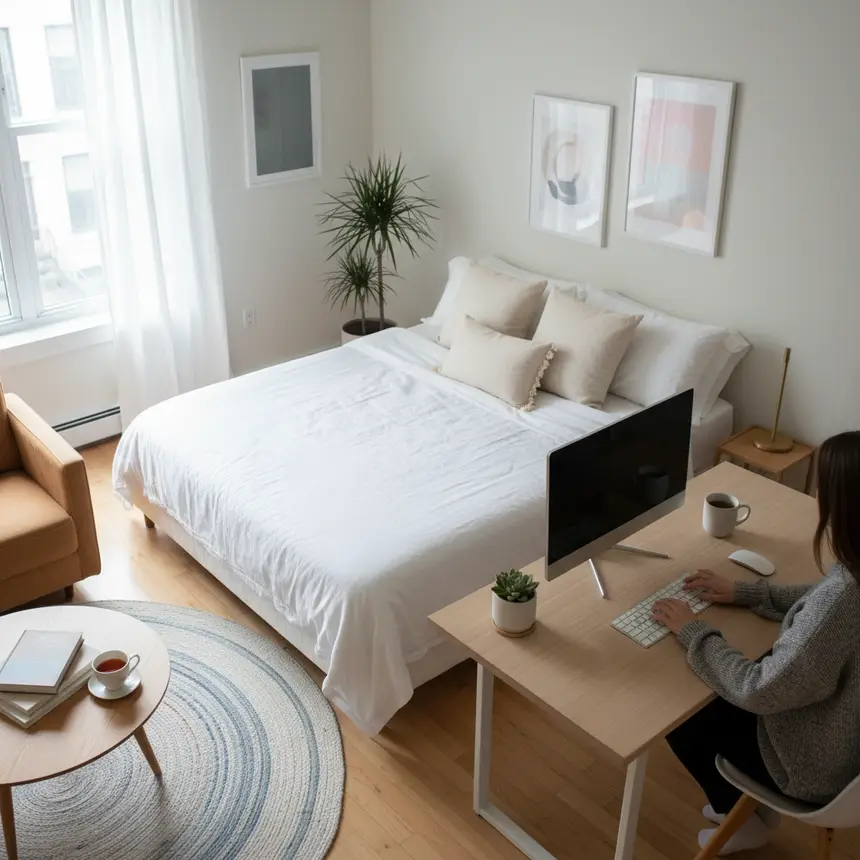
Struggling with living expenses? Discover practical ways to save money and achieve financial peace with smart spending habits and efficient home management tips for independent living.

H2. The Financial Realities of Living Solo: A Common Challenge
Embracing independent living brings a sense of freedom, yet it also ushers in a new array of responsibilities. For many living alone, managing monthly expenses often becomes a significant hurdle. Rent, utilities, groceries, transportation, and communication costs quickly add up, often exceeding initial expectations. Unexpected events, like social gatherings or unforeseen emergencies, can swiftly derail a carefully planned budget, leading to depleted bank accounts. This financial strain isn't just about a lack of funds; it can translate into anxiety about the future and psychological pressure, diminishing overall life satisfaction. A common query among those living alone is how to strike a balance within this complex expenditure structure and achieve a more comfortable financial state. This article aims to provide practical wisdom and insights to alleviate the concerns surrounding real-world independent living expense management.

H2. Efficient Home Management and Savvy Spending Strategies
Effective management of living expenses goes beyond simply spending less; it requires a strategic approach to running a household efficiently and making smart purchasing decisions. The most fundamental step to reduce expenditure is to create a budget and consistently track your spending. Start by identifying your fixed monthly costs (rent, utilities, phone bill, etc.) and then set spending limits for variable expenses like food and entertainment. Utilizing budgeting apps or spreadsheets to record every transaction will help pinpoint exactly where money might be unnecessarily slipping away.
Next, it's crucial to review and refine your spending habits. For instance, significantly reducing dining out or ordering takeout and embracing home cooking can lead to substantial savings on groceries. Planning your weekly meals and buying only necessary ingredients during your grocery trips can prevent impulse purchases and minimize food waste. Furthermore, adopting small habits like turning off lights in unoccupied rooms, maintaining optimal heating/cooling temperatures, and using water-saving showerheads can yield significant long-term savings on utility bills. The key is not just to cut back, but to critically assess whether an item is truly essential and if better alternatives exist, thereby enhancing the quality of your consumption.
Next, it's crucial to review and refine your spending habits. For instance, significantly reducing dining out or ordering takeout and embracing home cooking can lead to substantial savings on groceries. Planning your weekly meals and buying only necessary ingredients during your grocery trips can prevent impulse purchases and minimize food waste. Furthermore, adopting small habits like turning off lights in unoccupied rooms, maintaining optimal heating/cooling temperatures, and using water-saving showerheads can yield significant long-term savings on utility bills. The key is not just to cut back, but to critically assess whether an item is truly essential and if better alternatives exist, thereby enhancing the quality of your consumption.
※ This post contains affiliate links. I may earn a commission at no extra cost to you.


H2. Achieving Financial Comfort and Enhanced Quality of Life Through Action
These household management and spending habits don't typically bring about drastic changes overnight. Instead, they foster gradual, positive outcomes through consistent practice. Initially, tracking expenses might seem tedious, and meal planning could feel challenging. However, with persistent effort over a month or two, you'll begin to notice remarkable transformations. For example, your monthly takeout expenses might halve, and your refrigerator could become clutter-free due to planned grocery shopping, eliminating food waste. The money saved can be channeled into an emergency fund, invested in personal development, or used to indulge in a small hobby, thereby enhancing your overall quality of life.
This shift extends beyond just a healthier bank balance. It cultivates a greater sense of control over an often uncertain future and provides psychological stability by alleviating financial stress. It’s akin to planting a small seed and consistently nurturing it into a strong tree. The sense of accomplishment derived from proactively managing your spending and household will make your independent living experience more enriching and meaningful. Start today with one small habit, embark on your journey to manage your living costs, and transform into a savvy consumer.
This shift extends beyond just a healthier bank balance. It cultivates a greater sense of control over an often uncertain future and provides psychological stability by alleviating financial stress. It’s akin to planting a small seed and consistently nurturing it into a strong tree. The sense of accomplishment derived from proactively managing your spending and household will make your independent living experience more enriching and meaningful. Start today with one small habit, embark on your journey to manage your living costs, and transform into a savvy consumer.
Frequently Asked Questions
Q. What's the very first step to manage living expenses when living alone?
A. The most crucial first step is to accurately understand all your incoming and outgoing money. Identify your fixed income and expenses (like rent, utilities) and set a budget for variable expenses (food, transportation, leisure). Utilizing a budgeting app or spreadsheet to log all transactions is the starting point.
Q. What are effective ways to save on groceries?
A. To effectively save on groceries, planning your weekly or monthly meals and purchasing only the necessary ingredients accordingly is most efficient. Consider expiration dates for bulk purchases and cultivate a habit of cooking at home instead of dining out or ordering delivery.
Q. Can I maintain my quality of life while saving on living expenses?
A. Instead of indiscriminate saving, focus on value-based spending. Differentiate between what you truly need and what you don't, and seek cost-effective alternatives. For instance, brewing coffee at home instead of buying expensive coffee, or enjoying free cultural activities, can help maintain life satisfaction.
Q. What's the best way to prepare for unexpected expenses?
A. Develop a habit of consistently saving a small amount each month into an emergency fund account. Set a target amount, and whenever you have extra funds from your living expenses, add them to your savings. This way, you'll be prepared for unexpected expenditures without panic.