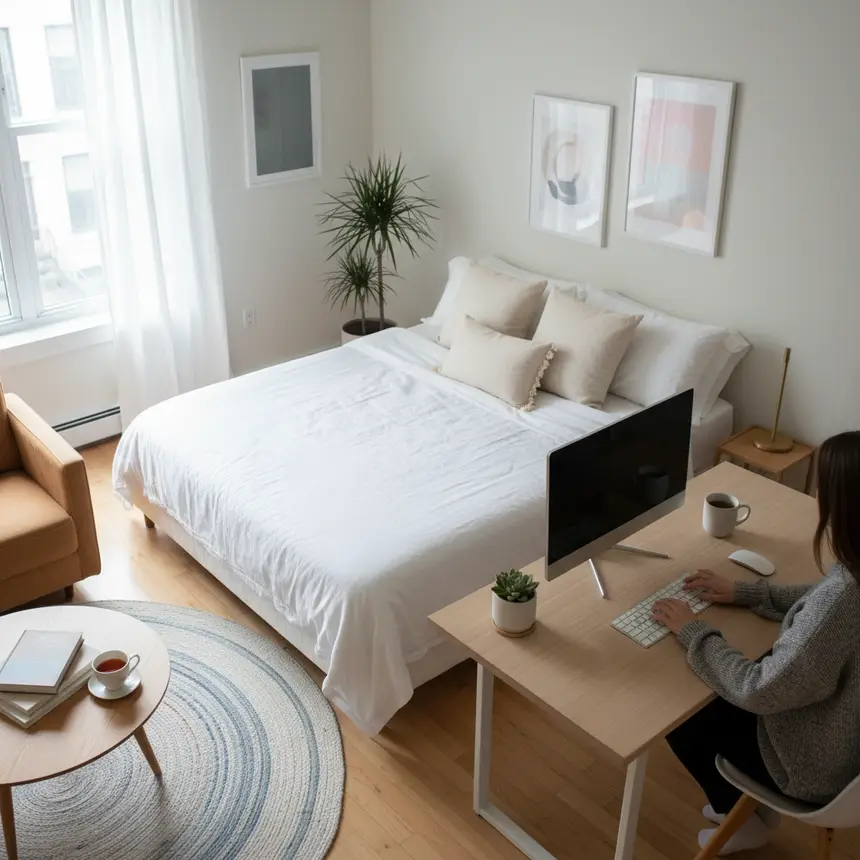
Essential solo living tips for beginners! Health preparedness and an emergency essentials kit are key for a stable independent life. Learn how to build and organize your wellness kit to maintain your health when living alone.

Navigating the Realities of Solo Living: Beyond Just Decor
Embarking on the journey of independent living is an exciting milestone, filled with dreams of personal space and newfound freedom. As you set up your first apartment, it's natural to focus on aesthetics – the perfect couch, stylish decor, or the ideal kitchen setup. However, many first-time solo dwellers quickly realize that true independence also means anticipating the unexpected. What often gets overlooked in the initial setup is a practical approach to personal well-being, especially when minor health issues arise. Being far from family or familiar doctors means you're your own first line of defense. Proactive health preparedness isn't just about stashing a few items; it's a fundamental pillar of effective self-management, ensuring your independence feels secure and comfortable.
Building Your Wellness Command Center: Smart Self-Care Essentials
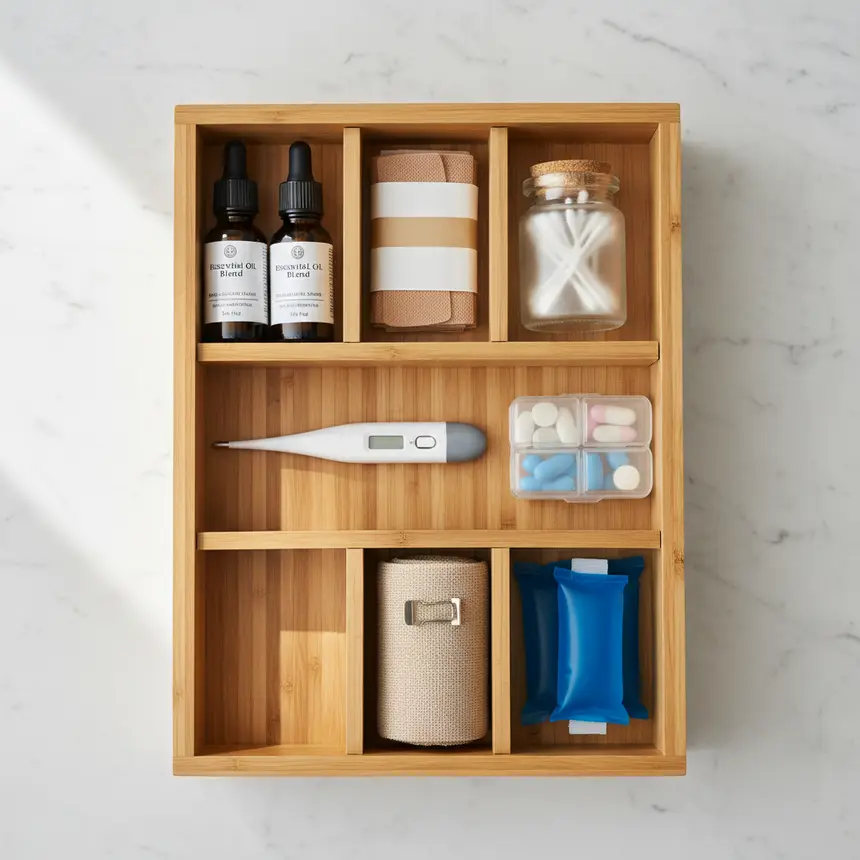
Efficiently managing your new living space extends significantly to how you handle personal health and minor emergencies. Rather than just haphazardly buying random remedies, think about creating a dedicated "Wellness Command Center" – a thoughtfully assembled kit that empowers you to tackle common health hiccups without panic. This systematic approach ensures continuity in your daily life, preventing small issues from becoming major disruptions.
Here are key categories for your solo living wellness kit:
Don't forget fundamental diagnostic tools like a reliable digital thermometer. When it comes to storage, pick a cool, dry spot away from direct sunlight, perhaps a dedicated drawer or a labeled container in your bathroom cabinet. Make it a habit to regularly check expiration dates – perhaps as part of a monthly tidying routine. For those on the go, a compact travel pouch with mini versions of your essentials can be a lifesaver. Establishing this simple system is a cornerstone of safe and comfortable solo living.
Here are key categories for your solo living wellness kit:
- Pain and Fever Relief: Essential for common headaches, minor aches, or sudden temperature changes.
- Digestive Support: For those unexpected bouts of indigestion or stomach upset.
- First Aid Basics: Necessary for everyday cuts, scrapes, and minor injuries. This includes antiseptics, sterile gauze, and adhesive bandages.
- Allergy Management: Crucial for seasonal allergies or unexpected reactions to new environments.
Don't forget fundamental diagnostic tools like a reliable digital thermometer. When it comes to storage, pick a cool, dry spot away from direct sunlight, perhaps a dedicated drawer or a labeled container in your bathroom cabinet. Make it a habit to regularly check expiration dates – perhaps as part of a monthly tidying routine. For those on the go, a compact travel pouch with mini versions of your essentials can be a lifesaver. Establishing this simple system is a cornerstone of safe and comfortable solo living.
※ This post contains affiliate links. I may earn a commission at no extra cost to you.

The Transformative Impact of Proactive Health Prep on Solo Life
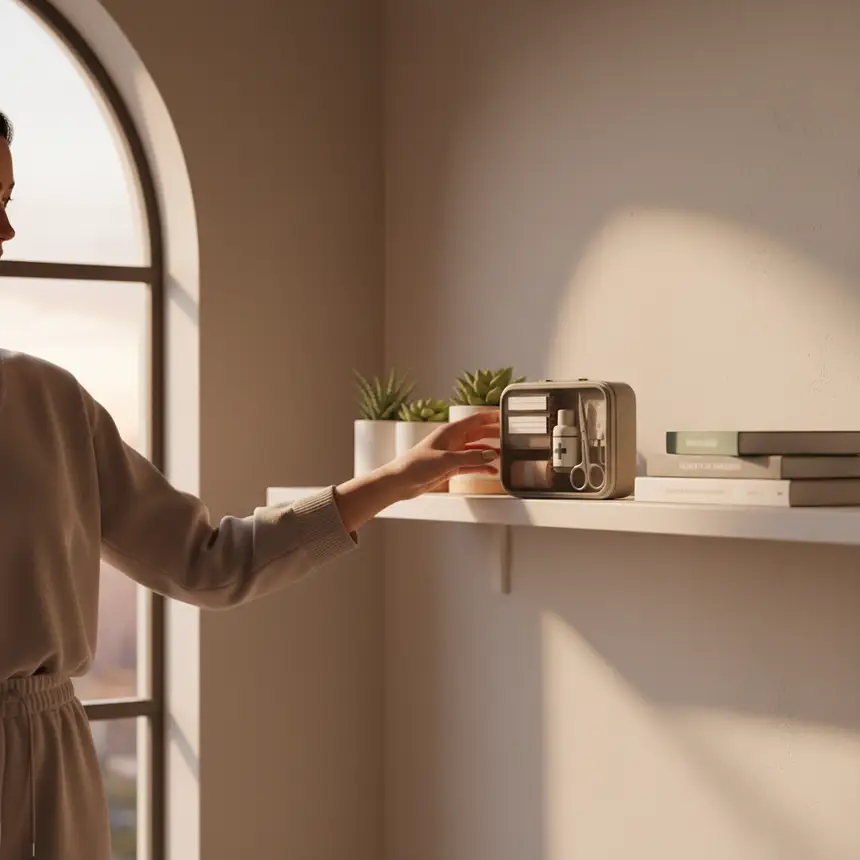
Setting up your health preparedness kit early in your solo living journey is more than just stocking supplies; it's an investment in your peace of mind and a step towards cultivating essential self-reliance. The practical benefits are immediately apparent. Imagine a late-night headache or a minor kitchen mishap – instead of scrambling or feeling helpless, you have the tools to address it calmly and effectively. This immediate response prevents small inconveniences from escalating into stressful situations, allowing you to maintain your routine and focus on enjoying your independence.
Beyond immediate relief, this proactive approach fosters a deeper sense of security. Knowing you're equipped to handle common health challenges builds confidence and reduces anxiety about living alone. What starts as a checklist item can evolve into a natural habit, like regularly checking your pantry supplies. This routine, in turn, strengthens your overall life management skills, leading to a more stable and fulfilling solo living experience. Taking charge of your health from day one is a powerful way to master the art of independent living.
Beyond immediate relief, this proactive approach fosters a deeper sense of security. Knowing you're equipped to handle common health challenges builds confidence and reduces anxiety about living alone. What starts as a checklist item can evolve into a natural habit, like regularly checking your pantry supplies. This routine, in turn, strengthens your overall life management skills, leading to a more stable and fulfilling solo living experience. Taking charge of your health from day one is a powerful way to master the art of independent living.
Frequently Asked Questions
Q. Why is health preparedness so crucial for those living alone?
A. When living solo, sudden aches or minor injuries can be disorienting without immediate access to family or familiar medical help. A well-stocked emergency kit provides peace of mind, enables quick self-care, and minimizes disruption to your daily life, making your independent living smoother and more secure.
Q. What are the key categories of items to include in a basic solo living wellness kit?
A. Essential categories typically include pain relievers/fever reducers, digestive aids, basic wound care supplies (antiseptic, bandages, gauze), and allergy relief medication. You might also customize it based on your personal health needs or seasonal considerations.
Q. How can I efficiently store these essentials in a small apartment?
A. Choose a cool, dry place away from direct sunlight, such as a designated drawer or a small, clearly labeled storage container. Using clear organizers can help you quickly find what you need. For portability, consider keeping a small travel pouch with a few key items.
Q. How often should I check the expiration dates of my emergency supplies?
A. It's a good practice to review your kit every 3 to 6 months. Expired items can lose potency or become ineffective, so always replace them promptly. Incorporating this into a seasonal cleaning or monthly routine can be very effective.
Q. Beyond over-the-counter remedies, what other health-related items should solo living beginners consider?
A. A reliable digital thermometer is invaluable for tracking symptoms. If you have any chronic conditions, ensure you have an adequate supply of your prescription medications. Basic hygiene products and a list of emergency contacts are also critical for overall well-being.