Struggling with studio apartment space? Discover smart storage ideas and practical life management tips to create your own comfortable space. Full of organization know-how to elevate your solo living experience.

H2. The Studio Apartment Dilemma: Your First Solo Space
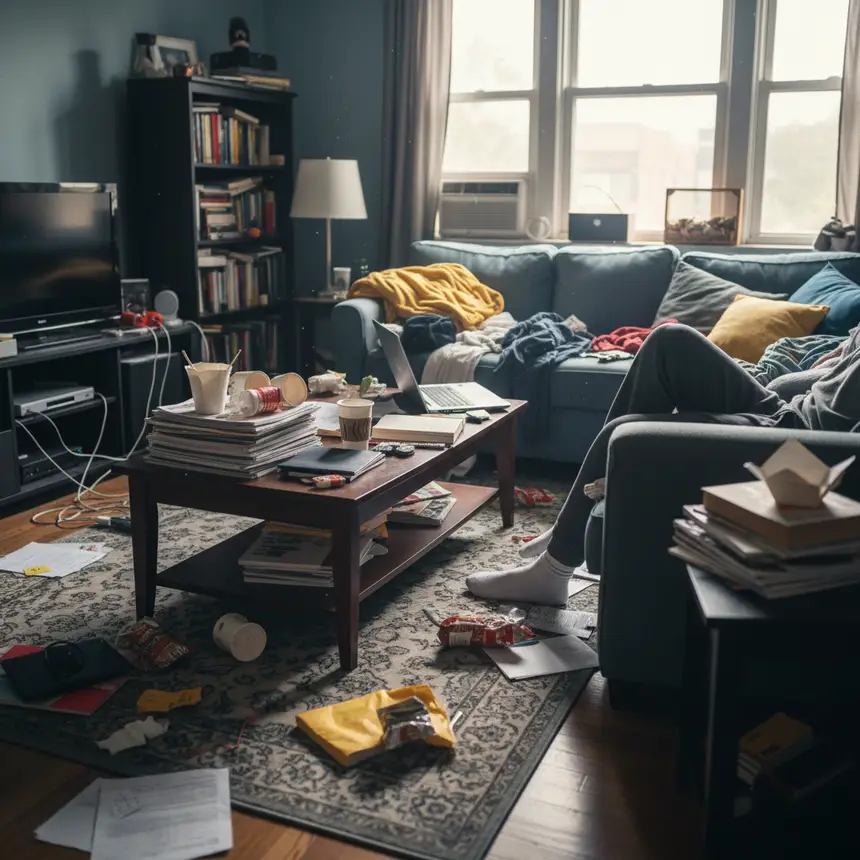
Embracing independent living comes with its joys and freedoms, but often also with unforeseen challenges. For many embarking on their first solo journey, the rapid accumulation of belongings in a compact living area can quickly lead to feelings of being overwhelmed. It's a common scenario: a small room barely fitting a bed, desk, and wardrobe, leaving no space for anything else. This spatial constraint isn't just about a lack of room; it can hinder daily efficiency and contribute to stress. The very place meant to be a cozy sanctuary can, unfortunately, become a source of discomfort due to clutter. However, the struggle with studio apartment space utilization is far from an unsolvable problem. With smart storage strategies and effective life management tips, even the smallest footprint can be transformed into a functional and inviting home.

H2. Unpacking the Root Causes of Space Shortage
Several common factors contribute to a studio apartment feeling cramped and perpetually untidy. A primary culprit is the lack of clear 'zone demarcation.' When areas for sleeping, dining, working, and hobbies are not distinctly separated and instead blend into one, items needed for various activities become jumbled, leading to disarray. Another significant issue is the 'absence of a storage system.' Belongings often end up on the floor or furniture because they lack a designated spot, or the existing storage is inconvenient to access. Furthermore, the habit of retaining unnecessary items exacerbates space shortages. In a small environment, every item has a significant presence, making the footprint of superfluous objects particularly impactful. Identifying these specific issues is the crucial first step toward effective studio apartment space utilization and efficient storage planning.
※ This post contains affiliate links. I may earn a commission at no extra cost to you.


H2. Solutions for Crafting a Compact, Yet Complete Space
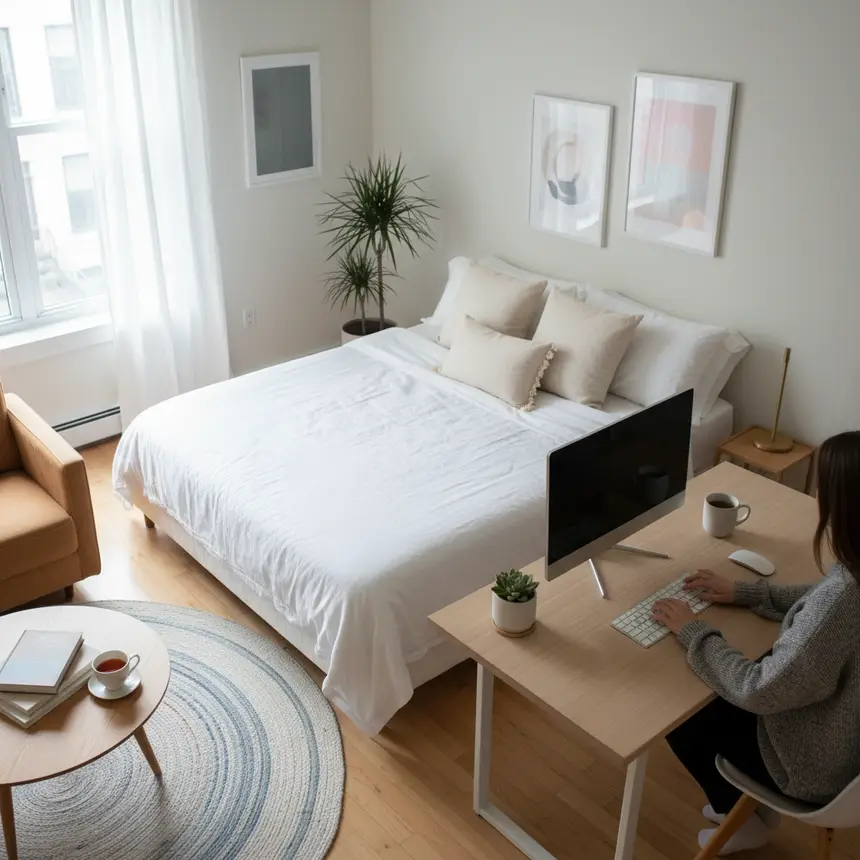
Transforming a studio apartment into an efficient and spacious-feeling home begins with surprisingly simple principles. First, consider 'visual connectivity.' Opt for lower furniture pieces that don't block sightlines, or choose transparent and light-colored items to create an open feel. Ensuring clear pathways is also essential. Second, actively utilize 'hidden storage spaces.' Areas like under the bed, inside wardrobes, or behind doors can house storage bins or hanging organizers. 'Vertical storage' on walls is a key strategy for maximizing capacity in small rooms. Third, boost utility with 'multi-functional furniture,' such as storage ottomans, fold-down tables, or sofa beds, where one item serves several purposes. Fourth, create visual harmony through 'color consistency.' Unifying the color palette of furniture and decor makes the space feel larger and more organized. Finally, cultivate the habit of 'decluttering unnecessary items.' Regularly clearing out what you don't need ensures that only essentials remain, contributing to a more pleasant environment. These practical tips are fundamental to efficient storage and optimal studio apartment space utilization.

H2. Daily Routines for Consistent Home Management
Good daily habits are your strongest allies in maintaining an organized living space. Instead of sporadic deep cleans, focus on small, manageable routines. Simple acts like making your bed each morning, putting items back immediately after use, or tidying up stray objects before bed can cumulatively create significant change. Consider adopting a '15-minute tidy' rule. Dedicate 15 minutes each day to focused cleaning and organizing, making it less daunting to keep your space neat. You might even assign specific areas for certain days, like kitchen tidying on Mondays or desk organization on Tuesdays. Moreover, before purchasing anything new, ask yourself, 'Where will this go?' Adopting a 'one-in, one-out' rule—where you discard an existing item for every new one you acquire—can prevent clutter from accumulating. Such consistent life management is vital for optimizing your studio apartment space and always enjoying a pleasant environment.

H2. Your Cozy Retreat: Elevating Your Quality of Life
An organized and efficiently managed studio apartment is more than just a place to live; it's a crucial factor in enhancing your overall quality of life. A cluttered environment can subtly induce stress and diminish focus, whereas a neat space provides a sense of calm and comfort. This, in turn, can boost productivity and foster positive energy. Begin implementing the studio apartment space utilization tips, efficient storage ideas, and consistent life management habits discussed today. While it might seem challenging at first, these small changes will gradually transform your space into a perfect sanctuary and source of vitality. The process of shaping your environment into a positive aspect of your life will inherently increase your satisfaction with independent living. May your studio apartment become not just a room, but a cozy and efficient space where your dreams and rest coexist harmoniously.
Frequently Asked Questions
Q. How can I make my small studio apartment feel more spacious?
A. Use low-profile furniture that doesn't block sightlines, utilize vertical wall space for storage, incorporate multi-functional furniture, and use strategic layouts or room dividers to create distinct zones. Bright colors and minimal decor also help create a sense of openness.
Q. What are effective organization tips when storage space is limited?
A. Maximize hidden spaces like under the bed, behind doors, and in narrow gaps. Utilize hanging organizers and vertical storage for clothes and miscellaneous items. Designate a specific 'home' for every item and make it a habit to return things immediately after use. Regular decluttering is also essential.
Q. How can I build consistent cleaning and organizing habits?
A. Establish a daily routine, such as a '15-minute tidy' where you focus on a specific area each day. Make it a habit to put things away immediately after use. Also, adopt the 'one-in, one-out' rule to prevent new items from accumulating excessive clutter.
Q. Where should I start when decorating my studio apartment?
A. Begin by understanding your daily routines and clearly defining the function of each area you need (e.g., sleeping, working, relaxing). Then, plan your furniture layout and storage solutions accordingly. Establishing a consistent color scheme for the entire space is also a good starting point.
Q. How can I overcome the habit of not being able to throw away unnecessary items?
A. Set a rule, such as 'discard anything not used in the past year,' or practice asking yourself, 'Does this item truly add value to my life?' Start with small, less sentimental items and gradually expand, allowing yourself to experience the benefits and joy of decluttering.