Discover how to whip up delicious meals using what's already in your kitchen, even with limited ingredients. Learn resourceful cooking techniques, smart pantry management, and how to incorporate fresh herbs into your daily diet for a vibrant, waste-free lifestyle.

H2. Unlocking Culinary Magic with What's Already in Your Fridge
For many living alone, cooking can feel like a daunting task amidst a busy schedule. We've all been there: opening the fridge only to find wilting greens, forgotten herbs, or condiments nearing their expiration date. It's easy to give up on a meal idea because a key ingredient is missing, often leading us to a takeout menu. However, shifting your perspective can transform these 'odds and ends' into the starting point for truly creative dishes. The simple joy of creating a fantastic meal with just a handful of fresh herbs and basic pantry staples can significantly enhance your solo living experience. Embracing resourcefulness in the kitchen, by maximizing your ingredients and intelligently substituting when needed, cultivates a richer and more sustainable lifestyle.
H2. Ingredient Shortages: A Catalyst for Kitchen Creativity
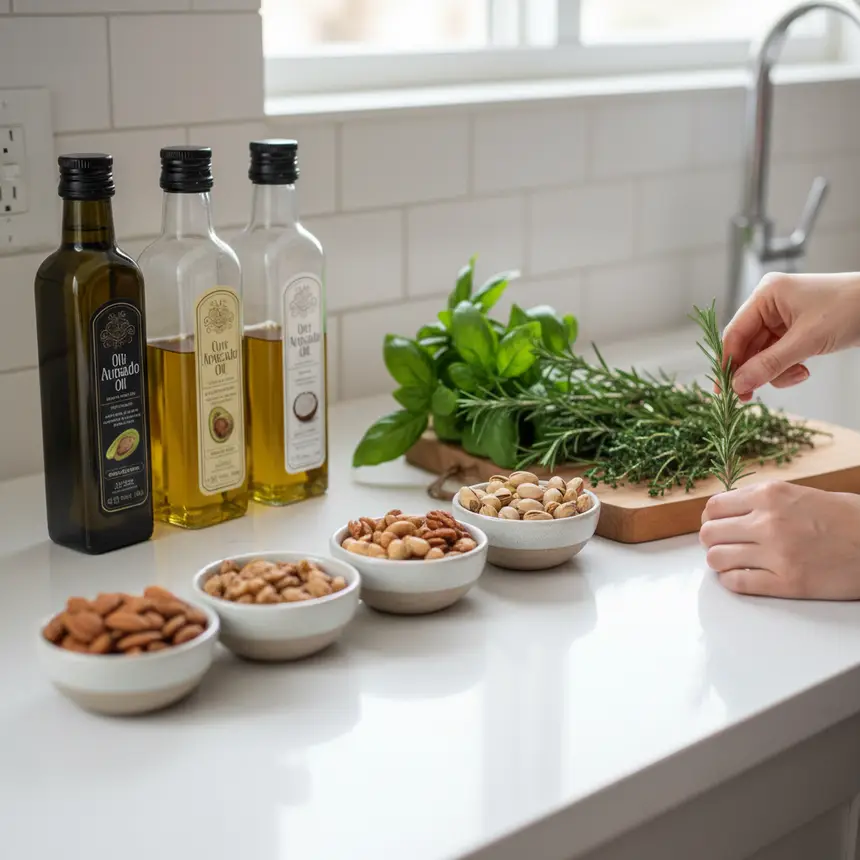
Don't let a missing ingredient derail your cooking plans. Instead, view it as an opportunity to experiment and discover new flavors by substituting with what you have. This approach allows you to personalize recipes and develop your unique culinary style. Take a classic herb sauce like pesto, for instance; it’s highly adaptable:
Embracing this flexible mindset towards ingredients not only minimizes unnecessary grocery trips but also ensures that every item in your fridge is utilized, fostering a smart and sustainable kitchen routine.
- Nuts: If pine nuts aren't available, almonds, cashews, or walnuts can be excellent stand-ins, each contributing its own distinct nutty flavor and texture. Toasting them beforehand can amplify their taste.
- Aromatic Vegetables & Herbs: Missing fresh garlic? A pinch of garlic powder or a finely minced shallot can work. For acidity, if lemons are out of reach, a touch of lemon balm or a dash of vinegar can provide the needed tang. Herbs are crucial for overall flavor; consider using arugula or spinach as a base for a different kind of green sauce if basil is unavailable.
- Oils: While olive oil is traditional, any neutral-flavored vegetable oil (like sunflower or canola) can be used. A small amount of a more potent oil, such as truffle oil, can elevate the dish with a gourmet touch.
- Dairy: In place of Parmesan cheese, nutritional yeast offers a savory, cheesy flavor. For a creamier texture, pureed tofu or avocado can also be excellent additions.
Embracing this flexible mindset towards ingredients not only minimizes unnecessary grocery trips but also ensures that every item in your fridge is utilized, fostering a smart and sustainable kitchen routine.
※ This post contains affiliate links. I may earn a commission at no extra cost to you.

H2. Cultivating Your Green Corner: Indoor Herbs and Daily Routines
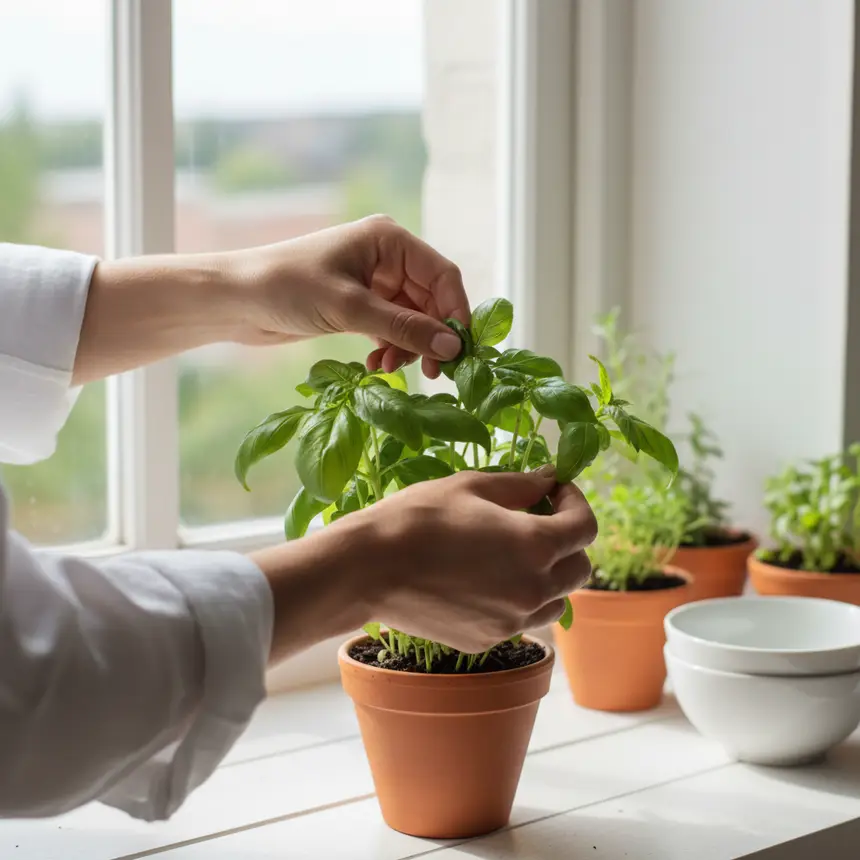
Introducing a small potted plant into your solo living space does more than just enhance aesthetics; it breathes life into your daily routine. Herbs like basil, rosemary, and mint are particularly well-suited for indoor gardening due to their relatively easy care and immediate culinary utility. Growing your own herbs ensures a constant supply of fresh, aromatic ingredients right at your fingertips.
These freshly harvested herbs can transform an ordinary pasta dish or salad into something extraordinary, significantly elevating the quality of your home-cooked meals.
- Harvesting and Cleaning: It’s best to harvest herb leaves as needed. Gently pluck the leaves to avoid damaging the plant, then rinse them under cool running water to remove any soil or dust. A quick soak in a baking soda solution can ensure they are thoroughly clean. After rinsing, pat the leaves dry with a paper towel or spread them on a clean tray in a well-ventilated area until all moisture has evaporated.
- Storage and Use: Use fresh herbs immediately in your cooking, either finely chopped or whole. For longer storage, place them in an airtight container in the refrigerator, or infuse them in olive oil to create flavorful herb-infused oil. Dried herbs can be used for teas or as seasonings, offering another layer of versatility.
These freshly harvested herbs can transform an ordinary pasta dish or salad into something extraordinary, significantly elevating the quality of your home-cooked meals.
H2. The Art of Resourceful Cooking: Savoring Your Unique Creations
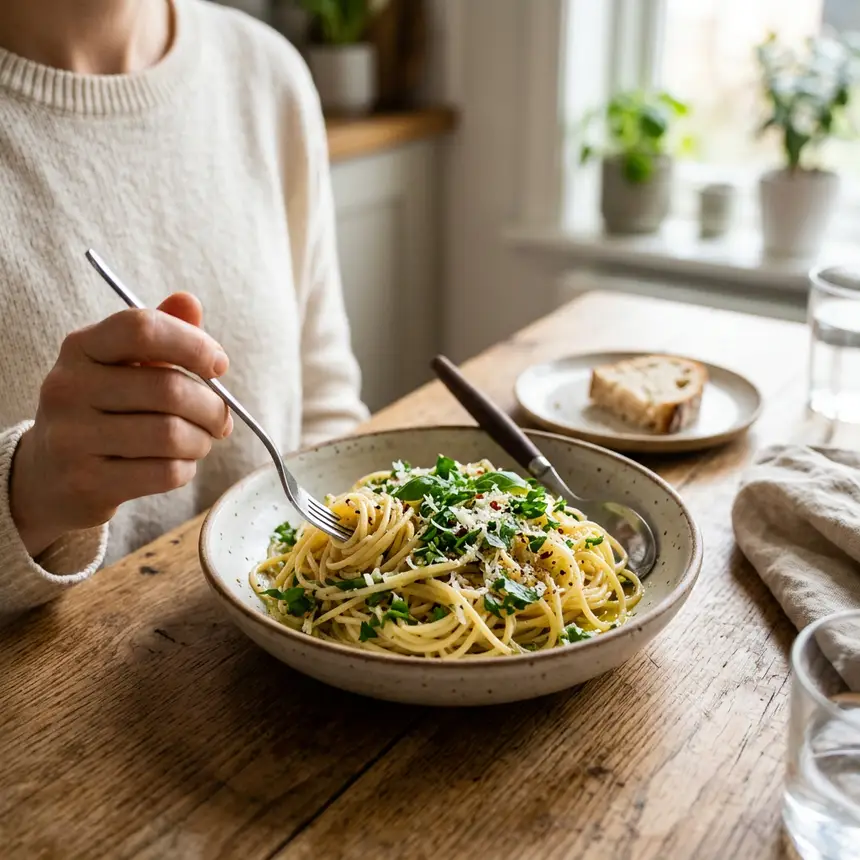
Great cooking doesn't always require a perfect set of ingredients or an exact recipe. In fact, some of the most rewarding culinary experiences stem from asking, 'What can I create with what I have?' This creative exploration is a significant joy of solo living. The process of surveying your fridge for forgotten items, combining them in innovative ways, and discovering unexpectedly delicious outcomes brings immense satisfaction.
Tonight, before reaching for a delivery app or heading to the grocery store, take a moment to peek into your refrigerator again. Those nearly-wilted vegetables, that handful of leftover nuts, or a few leaves from your homegrown herb plant might just be the inspiration for a meal that's both hearty and uniquely yours. Cooking with an appreciation for your ingredients and minimizing waste transforms a simple meal into a moment of genuine happiness. Embrace the art of resourceful cooking and delight in crafting your one-of-a-kind recipes.
Tonight, before reaching for a delivery app or heading to the grocery store, take a moment to peek into your refrigerator again. Those nearly-wilted vegetables, that handful of leftover nuts, or a few leaves from your homegrown herb plant might just be the inspiration for a meal that's both hearty and uniquely yours. Cooking with an appreciation for your ingredients and minimizing waste transforms a simple meal into a moment of genuine happiness. Embrace the art of resourceful cooking and delight in crafting your one-of-a-kind recipes.
Frequently Asked Questions
Q. What's the most important tip for making a pesto-style sauce with ingredients you already have?
A. The key is 'flexibility.' Focus on the core components: the aromatic quality of the herb, the richness of the nuts, the smoothness of the oil, and the pungency of garlic. Consider how you can achieve these elements using alternative ingredients you have on hand. For example, spinach instead of basil, almonds instead of pine nuts, or another vegetable oil for olive oil. Balancing the flavors with salt and pepper is also crucial for a successful outcome.
Q. How can I effectively store fresh herbs to make them last longer?
A. After harvesting, wash fresh herbs thoroughly and pat them completely dry. Wrap the stems in a lightly dampened paper towel, then place them in a plastic bag or an airtight container in the refrigerator. This method helps maintain freshness for a longer period. For some herbs, you can also chop them and freeze them in olive oil, or dry them for extended storage.
Q. Can I use different herbs or greens if I don't have basil for a pesto-style sauce?
A. Absolutely! You can create pesto-style sauces using a variety of leafy greens and herbs such as arugula, spinach, kale, or parsley. Each alternative will impart its unique flavor profile, resulting in a distinct and delicious sauce. When using greens with a stronger bitter note, you might adjust the amount of nuts or oil to balance the taste.
Q. What are some common ingredient substitutions I can make when I'm missing a specific item for a recipe?
A. Generally, most nuts can be swapped for others. Lemon juice can often be replaced by vinegar or lime juice. Heavy cream can be substituted by mixing milk with butter, or by using pureed tofu or avocado for a creamy texture. Broth can be made simply with water infused with dried mushrooms or seaweed. Experimenting with different spice combinations can also introduce new flavors. The key is understanding the role the missing ingredient plays in the dish.