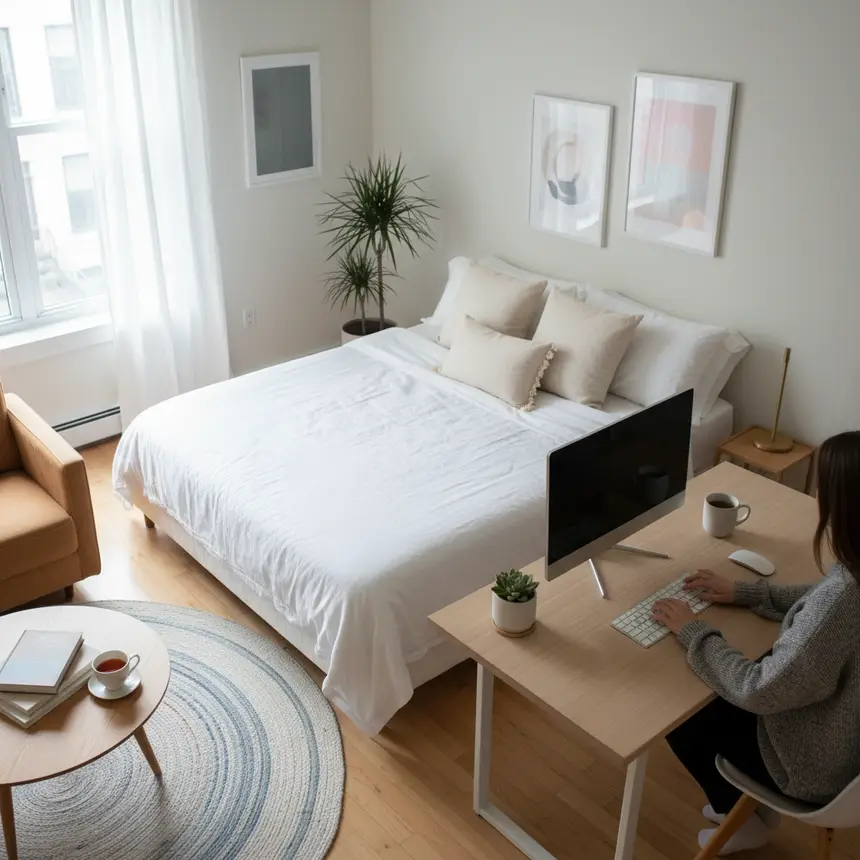
Struggling with sleep in your independent life? Discover practical strategies to reset your sleep rhythm and wake up refreshed. This guide offers actionable tips for creating a peaceful night's rest.

H2. The Quiet Struggle of Sleepless Nights in Your Own Space
Living independently brings a sense of freedom and accomplishment, yet it often comes with its own set of challenges that must be navigated alone. As night falls and the day winds down, many individuals living by themselves find themselves caught in a familiar struggle: tossing and turning in bed, unable to drift into a peaceful sleep. This nightly battle can severely impact the next day, leading to persistent fatigue and heightened irritability, placing an unwelcome burden on daily life. When these restless nights become a recurring pattern, they can diminish your overall quality of life. However, overcoming these sleep difficulties and reclaiming truly restful nights is entirely within reach. Today, we'll explore common reasons behind those sleepless hours and embark on a journey to rebalance your body and mind through small, manageable changes in your daily routine.
H2. Unpacking the Roots of Restless Sleep
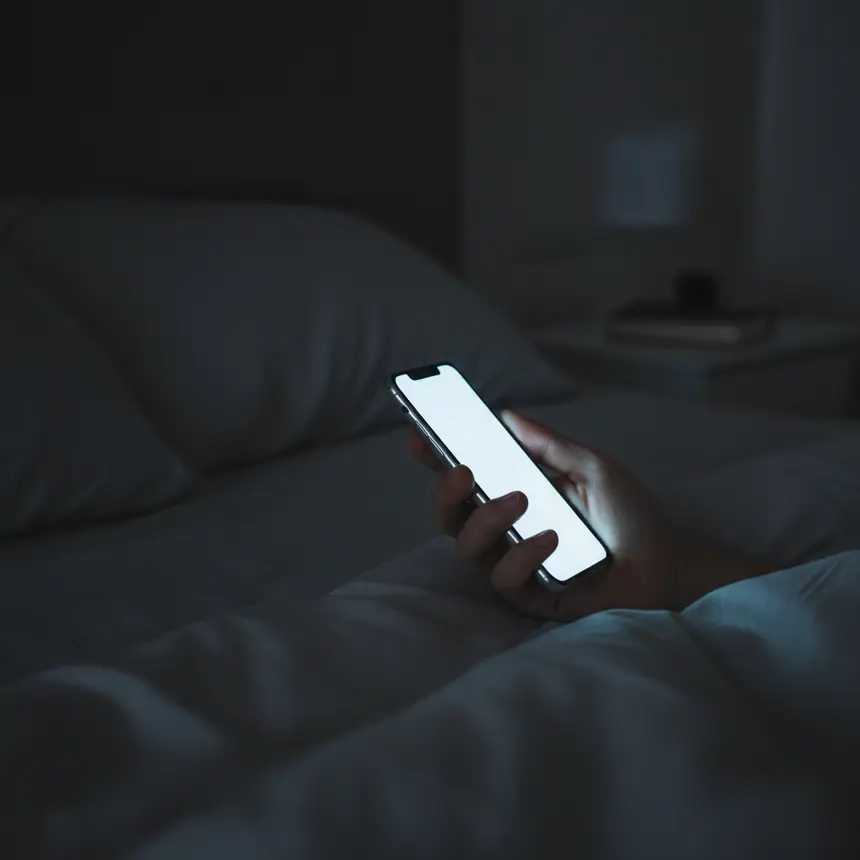
The factors disrupting your precious nighttime rest are more diverse than you might imagine, and they are intricately woven into your daily habits. Sleep isn't merely about closing your eyes; it's a complex process where your body naturally transitions into a state of deep restoration. If the stresses and tensions accumulated during the day aren't properly released, your body can remain in 'active mode.' This can manifest as a racing heart, shallow breathing, and heightened sensitivity to minor sounds or light. For optimal sleep, your body temperature should gradually drop before bedtime. Yet, habits like prolonged exposure to bright screens from smartphones or tablets late into the evening, or keeping your indoor lighting too bright, interfere with this natural thermoregulation process. Such disruptions can keep your mind buzzing late at night or cause you to wake up easily in the early hours, perpetuating a cycle of poor sleep. Furthermore, inadequate stress management or an irregular daily schedule can disrupt your internal body clock, affecting the secretion of sleep-inducing hormones. If you're struggling with getting enough sleep, it's crucial to begin by carefully observing your daily routines and the environment you create around yourself.
※ This post contains affiliate links. I may earn a commission at no extra cost to you.

H2. Crafting Your Sanctuary: Practical Steps for Restful Sleep
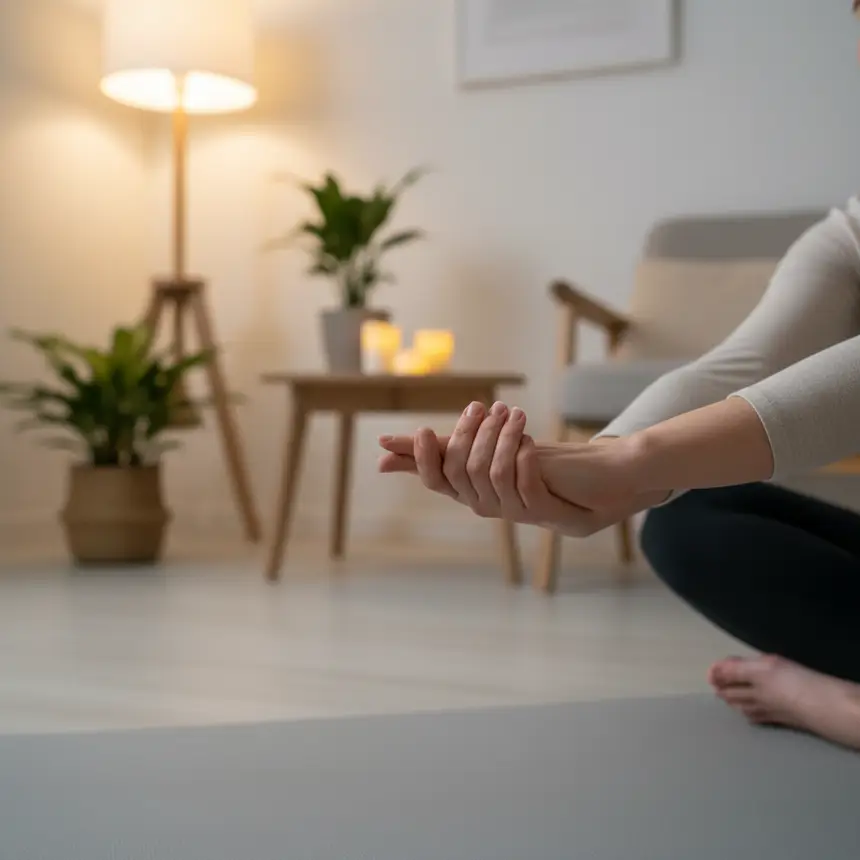
Transforming your sleep doesn't require drastic overhauls; you can begin with simple adjustments to your daily habits and by optimizing your sleep environment. First, aim to reduce your exposure to electronic devices like smartphones, tablets, and computers an hour or two before bed, and dim your indoor lights to give your eyes and brain a much-needed break. Taking a warm shower or engaging in light stretching can also help relax your body and regulate your temperature, priming you for sleep. Your bedroom should be a dedicated sanctuary for rest and sleep; keep it as dark, quiet, and cool as possible. If external noises are an issue, consider using earplugs. Maintaining a consistent sleep schedule, even on weekends, is also vital. Going to bed and waking up at roughly the same times helps stabilize your body's internal clock, promoting more peaceful nights. Additionally, regular, moderate physical activity during the day can significantly improve sleep quality, but intense workouts too close to bedtime should be avoided as they can be stimulating. By reviewing your lifestyle and implementing a few tailored changes, you'll gradually experience more comfortable and profound sleep. These small acts of self-care ultimately pave the way for a more vibrant tomorrow.
Frequently Asked Questions
Q. Why do I find it hard to fall asleep and often wake up in the early hours?
A. Several factors can disrupt sleep. It might be due to late-night exposure to bright lights, or unresolved stress and tension from the day preventing your body from resting. Irregular schedules or an uncomfortable sleep environment can also play a role.
Q. Are there any habits I should avoid before going to bed?
A. Yes, it's best to avoid electronic devices like smartphones and tablets 1-2 hours before sleep, as the bright light emitted can interfere with sleep-inducing hormone production. Excessive caffeine intake or strenuous exercise should also be limited before bedtime.
Q. If I wake up at night, I struggle to fall back asleep. What should I do?
A. Instead of forcing yourself to sleep, consider getting out of bed for a short period. Go to a quiet, dimly lit space and read a book, meditate, or do some light stretching to relax your mind. Return to bed only when you feel sleepy again.
Q. Are there any simple tips for creating a conducive sleep environment?
A. It's important to keep your bedroom dark, quiet, and cool. You can use blackout curtains or earplugs, and setting the room temperature slightly cool can aid in better sleep. Ideally, your bed should be reserved primarily for sleeping.