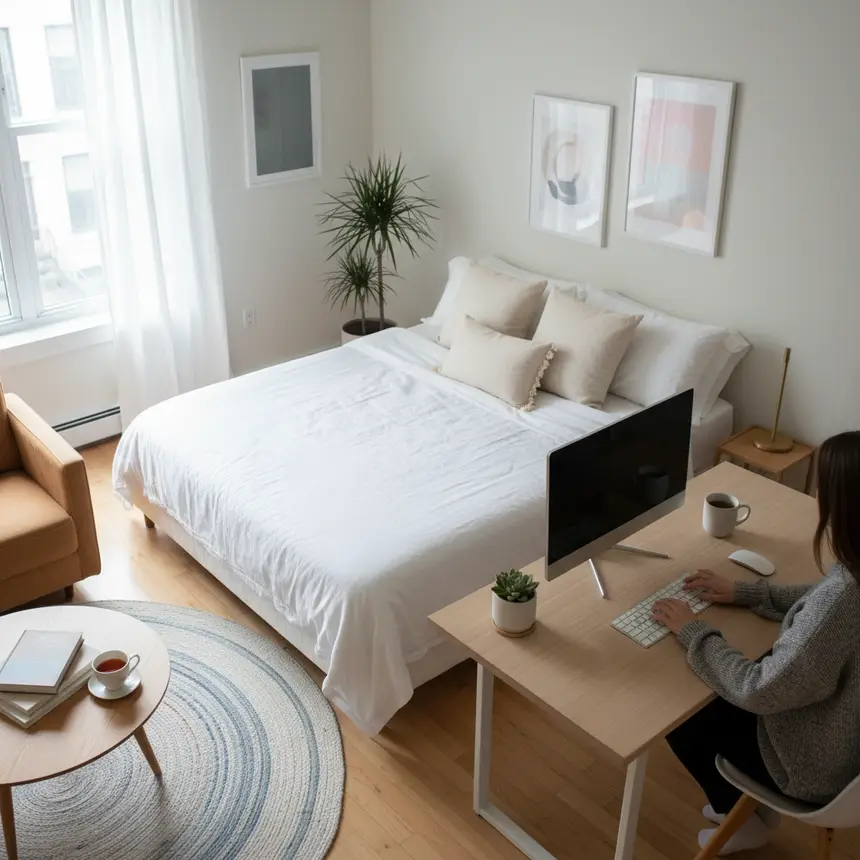
Discover practical tips to manage kitchen ventilation in your small living space. Eliminate lingering cooking odors and smoke, ensuring a fresh and comfortable home environment.

The Solo Dweller's Kitchen Air Challenge
Living alone offers immense freedom, but managing household issues in a compact space can feel amplified. The kitchen, used daily, often becomes a primary source of indoor air pollution due to cooking fumes and odors. In a studio apartment or a small living unit, strong cooking smells can quickly permeate the entire space, from the living area to the bedroom, creating an unpleasant atmosphere. Many solo residents can relate to the experience of lingering, greasy air even a day after cooking a strong-smelling meal like fried fish or a hearty stew. This kitchen air problem isn't just about discomfort; it can lead to grease buildup on walls and furniture, and combined with humidity, it might even encourage mold growth. Recognizing the importance of proper kitchen ventilation is the first step toward maintaining a clean and fresh living environment. If you notice cooking odors lingering unusually long or frequently feel a sticky, oily film on kitchen surfaces, these are clear indicators that your kitchen's air circulation might need attention.

Practical Strategies for a Fresher Kitchen
Creating a fresh kitchen environment through effective air quality management is simpler than it seems. Even minor adjustments to your daily habits can yield significant improvements. The first crucial check involves your kitchen's exhaust fan filter. Grease and dust accumulated from cooking significantly reduce the fan's air extraction capability. It's advisable to inspect the filter monthly; if you observe noticeable grime, clean it thoroughly with a mild detergent or replace it. This routine maintenance is fundamental for maintaining the exhaust fan's efficiency and ensuring a hygienic kitchen.
Next, optimizing your exhaust fan usage is key. Turn on the fan just before you start cooking, ideally before you even heat up your pan, and keep it running consistently throughout the cooking process. After you've finished cooking, allow the fan to operate for an additional 5 to 10 minutes to completely expel any residual smoke and odors. If possible, opening a window slightly during cooking can also greatly enhance indoor air circulation. Furthermore, developing a habit of wiping down surfaces around the exhaust fan and stovetop immediately after cooking prevents grease from hardening, reduces cleaning effort, and maintains overall kitchen cleanliness. These small, consistent actions cumulatively improve your kitchen's air quality.
Next, optimizing your exhaust fan usage is key. Turn on the fan just before you start cooking, ideally before you even heat up your pan, and keep it running consistently throughout the cooking process. After you've finished cooking, allow the fan to operate for an additional 5 to 10 minutes to completely expel any residual smoke and odors. If possible, opening a window slightly during cooking can also greatly enhance indoor air circulation. Furthermore, developing a habit of wiping down surfaces around the exhaust fan and stovetop immediately after cooking prevents grease from hardening, reduces cleaning effort, and maintains overall kitchen cleanliness. These small, consistent actions cumulatively improve your kitchen's air quality.
※ This post contains affiliate links. I may earn a commission at no extra cost to you.


The Ripple Effect: How Better Air Transforms Your Home Life
A little attention to kitchen air management can remarkably enhance your quality of life. For instance, you’ll notice that after cooking something like grilled mackerel post-work, the unpleasant fishy smell dissipates quickly rather than lingering throughout your home. By regularly maintaining your exhaust fan filter and adopting proper usage habits, your kitchen transforms from a space perpetually filled with greasy odors into a pleasant area where you can fully enjoy the culinary experience. This shift not only makes cooking more enjoyable but also improves the overall air quality of your home, contributing to a consistently fresh atmosphere. Additionally, it helps reduce grease buildup on walls and furniture, easing your cleaning burden. A clean, odor-free kitchen significantly reduces stress and fosters a more comfortable and stable feeling within your living space. For any solo dweller who cooks regularly, I recommend starting today to implement these ventilation habits to cultivate a truly fresh and inviting kitchen environment.
Frequently Asked Questions
Q. Why do cooking smells linger so long in my apartment?
A. Lingering smells often result from inadequate ventilation. Start your exhaust fan before cooking, keep it on during, and run it for 5-10 minutes afterward. Also, open windows for natural airflow and regularly clean your exhaust fan filter.
Q. How often should I clean my kitchen exhaust fan filter?
A. Depending on your cooking frequency, it's generally best to inspect your filter monthly. If you see significant grease buildup, clean it thoroughly with a mild detergent.
Q. My range hood seems to be running, but smoke isn't clearing. What could be wrong?
A. The most common cause is a filter heavily clogged with grease, reducing suction power. Cleaning or replacing the filter is usually the solution. If the issue persists, the unit itself might need professional inspection.
Q. Besides the exhaust fan, what else can I do to improve kitchen air quality?
A. Wipe down kitchen surfaces immediately after cooking to prevent grease accumulation. Consider adding air-purifying plants and make a habit of regularly airing out your entire living space.