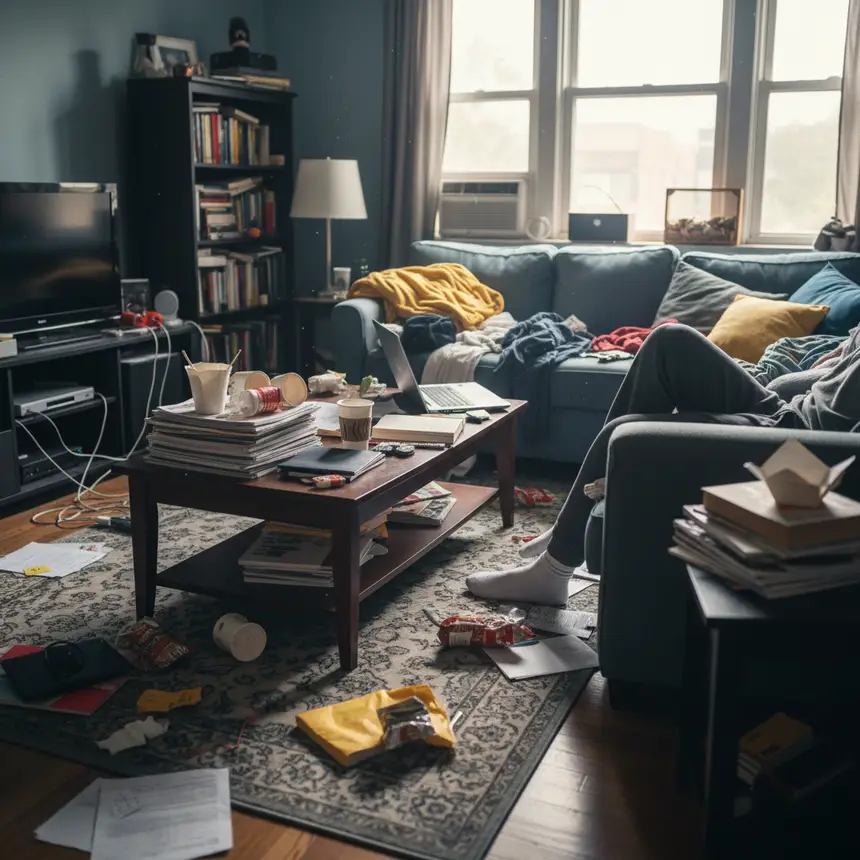
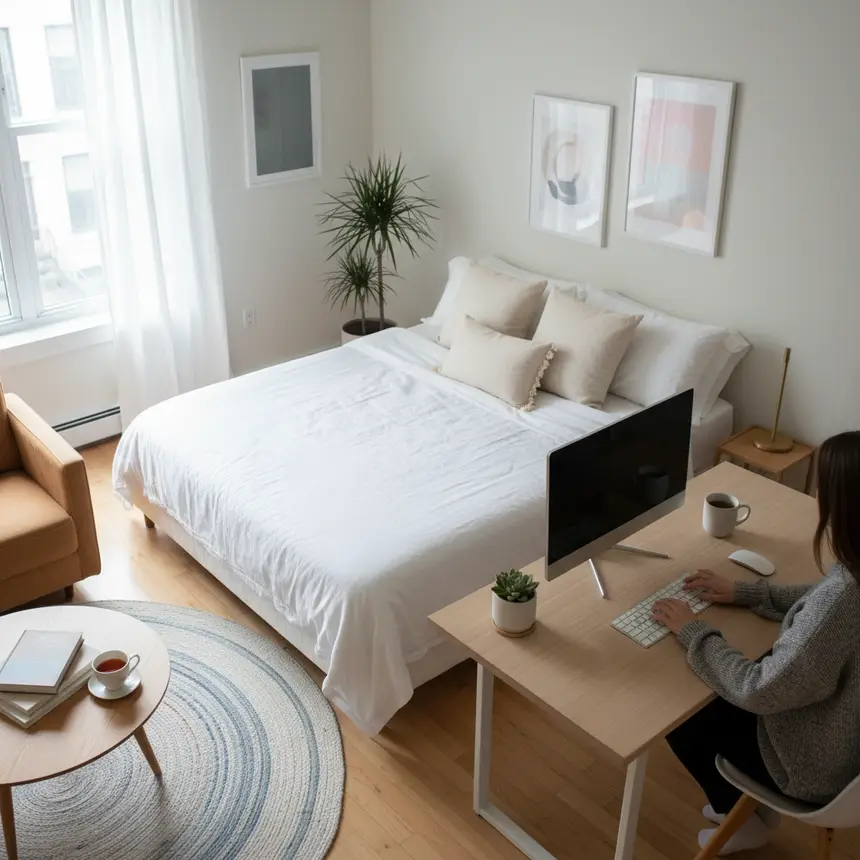
Tired of your home getting messy right after you clean? Discover the root causes of clutter and learn effective organization methods and habits tailored to your lifestyle flow for a perpetually tidy space. Find your path to a comfortable and efficient home.

The Endless Cycle: Why Does My Space Always End Up Cluttered?
Living alone, whether in a studio apartment or your first independent space, often comes with a familiar struggle: the never-ending battle against clutter. You might spend hours tidying up, only to find your room looking disheveled just a few days later, leading to sighs of frustration. It’s easy to blame yourself, thinking you’re just not good at organizing or lack the discipline. However, more often than not, the issue isn't about personal failings but rather a deeper disconnect between your belongings, your space, and your daily habits. Understanding why items keep losing their designated spots is the first step towards truly effective home organization. Let's uncover the real reasons behind your home's persistent mess and explore sustainable strategies to maintain a tidy environment. Imagine a life where tidying is no longer a chore but a natural part of your peaceful daily routine.

Unmasking the Hidden Reasons Behind Your Home's Disarray
There are common patterns that contribute to a cluttered home. Recognizing these patterns can provide clarity on why your space repeatedly falls into disarray.
- The Case of the 'Homeless' Items: When your possessions lack a specific, designated spot to return to after use, they end up wandering. Think of remote controls or keys that land in different places every time; they’re never truly organized, just temporarily placed.
- Mismatch Between Use and Storage Location: Consider your everyday coffee mug or your go-to jacket. If these frequently used items are stored in deep drawers or high shelves, making them inconvenient to access, you're more likely to leave them out. This pursuit of visual neatness at the expense of accessibility often backfires, creating more clutter.
- Ignoring Your Natural Flow: Your daily movements and activities create a natural flow within your home. When your storage solutions don't align with this flow, the organizing process breaks down. For example, if your laundry basket is far from your washing machine, clothes might pile up in transit. Inefficient pathways create temporary 'holding zones' where items accumulate instead of going directly to their proper place.
※ This post contains affiliate links. I may earn a commission at no extra cost to you.


Practical Strategies for a More Orderly Living Environment
Once you understand the root causes of clutter, it's time to implement solutions. Effective home organization goes beyond mere tidying; it's about intelligently connecting your space, your belongings, and your lifestyle.
- Assign Every Item a 'Parking Spot': The golden rule of organization is to give every single item a specific home. For instance, designate a small bowl for keys by the entrance and a specific tray for remotes next to the sofa. When everything has a designated spot, it becomes second nature to return items to their rightful place after use. Extend this concept even within drawers and cabinets, creating 'mini-homes' for smaller categories of items.
- Utilize 'Prime Real Estate' for Frequent Use: Think of your most frequently used items as VIPs deserving prime real estate. This means placing them in easily accessible locations—within arm's reach or at eye level. Your daily coffee mug, favorite book, or go-to cooking utensils should be stored where they're easiest to grab. Less frequently used items, like seasonal decor or guest towels, can be stored in less accessible spots, keeping your primary visual spaces clear and uncluttered.
- Design for Your Daily Flow: Observe your daily routines and arrange your belongings to complement them. If you typically drop your coat and bag right after walking in, create a designated hook or shelf near the entrance. Place your phone charger where you usually relax—by the sofa or your bedside table. Position your laundry hamper near your washing machine to streamline the laundry process. Aligning storage with your natural movements reduces friction and makes tidying effortless.

Cultivating Sustainable Habits: Your Daily Tidy-Up Blueprint
While a deep clean is beneficial, it's the small, consistent habits that truly maintain a tidy home. Implement routines that are easy to stick with and don't feel overwhelming.
- The '5-Minute Reset': Before heading to bed each night, dedicate just five minutes to tidying your immediate surroundings. This could involve clearing your dinner table, hanging up a coat, or fluffing your pillows. Even these small actions make a significant difference to how you feel waking up the next morning. The cumulative power of five minutes daily is surprisingly effective.
- 'One-Spot' Focused Decluttering: Instead of attempting to organize your entire home at once during your free time, choose one small area to focus on. Today, it might be a single desk drawer; next week, a bathroom shelf. Achieving success in small, manageable tasks builds momentum and motivation for future organizing efforts.
- Embrace the Joy of 'Letting Go': One of the primary reasons spaces become cluttered is simply having too many items. Develop a habit of regularly decluttering by getting rid of items you no longer use, need, or love. When your closets and storage areas have breathing room, it's much easier to keep things tidy. The visual openness and psychological lightness that come from letting go can be surprisingly rewarding.

The Transformative Power of an Organized Space
A well-organized space offers more than just visual appeal. Psychologically, it provides a sense of calm and helps declutter your mind. Practically, it saves you time by making it easier to find what you need and allows for more efficient use of your living area. The goal isn't 'perfect' organization, but rather 'sustainable' organization. By finding a system that best suits your lifestyle and space, and consistently applying it, you'll no longer be stressed by a perpetually messy environment. Start with one small change today. That tiny step can significantly enrich your daily life, making it more comfortable and peaceful. Enjoy the newfound serenity and satisfaction that comes from an organized home.
Frequently Asked Questions
Q. Why does my home always feel messy even if I clean it daily?
A. This often happens not just from cleaning, but when items lack designated homes, or when storage doesn't align with your daily movement. The key is to create a 'home' for every item and arrange things based on how frequently you use them.
Q. I find organizing daunting and hard to start. Any tips?
A. Start with small, manageable goals like a '5-minute tidy' or 'one-spot' decluttering. Spend just five minutes tidying before bed, or focus on organizing just one drawer on the weekend. Building small successes will boost your confidence and make it easier to establish consistent habits.
Q. I have trouble letting go of things. How can I start decluttering?
A. Instead of trying to discard everything at once, set clear criteria, such as 'items not used in a year' or 'broken items I haven't fixed.' Start with a few items at a time. As you experience the visual spaciousness and cleanliness after letting go, you'll find more joy in decluttering and progress to the next stage.
Q. My home is very small, and I lack storage space. Any tips for maximizing it?
A. In small spaces, it's crucial to utilize vertical space actively. Use wall shelves, narrow storage units, and under-bed storage to keep items efficiently. Multi-functional furniture can also be very helpful. Additionally, adopt the 'one in, one out' rule to manage the total volume of your belongings effectively.