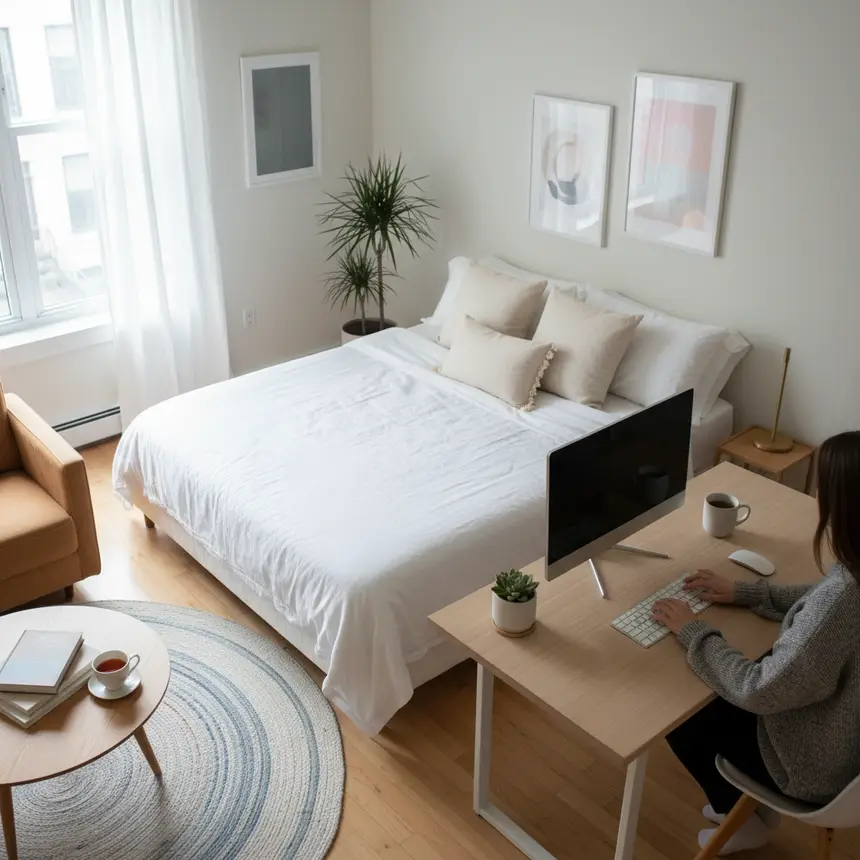
Feeling overwhelmed by solo living? Beyond just saving money, discover practical ways to improve your living environment and reduce unnecessary expenses through efficient lifestyle habits. Learn smart management tips to create a more spacious and tidy personal sanctuary.

H2. Embracing Independence: A Fresh Start for Better Solo Living
The initial excitement of living alone often gives way to the surprising realities of daily management. Many find themselves overwhelmed by recurring expenses, unpredictable costs, and the endless cycle of household chores. For new solo dwellers, a lack of efficient living strategies can lead to financial strain and stress from a disorganized space. What truly causes these common frustrations? Instead of quickly blaming a small paycheck or lack of time, it's worth examining the inefficient elements hidden within our daily routines. By making small, intentional changes starting today, you can transform your living experience, reduce financial burdens, and significantly boost your overall quality of life. This guide will help you build a smarter, more satisfying independent lifestyle.

H2. Identifying and Transforming Inefficient Habits for a Smarter Home
Many challenges in solo living stem from unconscious spending patterns or ineffective space management. We often inadvertently waste resources or pay for services we don't fully utilize, leading to both financial pressure and mental fatigue. The key isn't just about cutting back; it's about finding smarter ways to achieve the same comfort and utility.
- Re-evaluate Service Subscriptions: Take a close look at monthly communication bills and subscription services. Are you paying for more than you need? Regularly assess if more affordable and efficient alternatives exist. This habit alone can free up significant funds.
- Redefine Ownership: Shift your perspective from needing everything new. Explore the value of pre-owned items. For instance, choosing used appliances or furniture that are in good condition but cost significantly less can greatly benefit both your budget and your space utilization. This also naturally reduces clutter, making organization easier.
- Optimize Your Living Environment: Heating costs, especially in colder months, can vary wildly based on how you manage your home. Simple measures like sealing window gaps or using thicker curtains can drastically improve indoor warmth retention. Instead of constantly turning your thermostat on and off, maintaining a consistent, comfortable temperature is often more energy-efficient.
- Smart Kitchen Management: How you purchase and store groceries plays a crucial role. Opting for shelf-stable food items or using a water filter to reduce bottled water purchases can cut down on food expenses and delivery waste. Meal planning also significantly contributes to minimizing food waste, leading to a more organized kitchen and less spoilage.
※ This post contains affiliate links. I may earn a commission at no extra cost to you.


H2. Practical Steps for a Fulfilling and Well-Managed Solo Life
Here are actionable steps to improve the inefficient habits we've discussed. Remember, even small consistent changes can lead to substantial improvements.
- Regular Subscription Audit: Designate the first week of each month as 'Subscription Review Week.' Be decisive in canceling unused or unnecessary services. It's also wise to review your phone plan annually to ensure it aligns with your actual usage.
- Distinguish Needs from Wants: Before purchasing anything new, ask yourself three times: 'Do I truly need this?' Consider if a pre-owned item would suffice, or if you already own something that can serve the same purpose. Cultivating this mindful approach prevents clutter and impulsive buys.
- Seasonal Home Insulation: In winter, apply draft stoppers to doors and windows, and use thermal curtains. In summer, deploy blinds or blackout curtains to block sunlight, enhancing cooling efficiency and reducing air conditioning usage.
- Inventory Your Pantry and Fridge: Keep track of what groceries you have on hand. Prioritize using items nearing their expiration date. Planning your meals for the week can curb impulse eating out and prevent food waste, making grocery shopping more intentional.
- Utilize Multi-functional Furniture: In smaller living spaces, prioritize furniture that serves multiple purposes, such as folding tables, storage ottomans, or beds with under-bed storage. Instead of filling your space with large pieces right away, gradually add items as needed to maintain flexibility and optimize space.
Frequently Asked Questions
Q. What are effective ways to maintain consistent organization in a solo apartment?
A. Adopt a '5-minute tidy-up' habit. Dedicate just five minutes each day, either before bed or before leaving, to put items back in their place. This prevents significant clutter from accumulating. Also, before buying anything new, always consider 'where will this item live?'
Q. I want to reduce food waste. Any tips?
A. Practice 'fridge foraging.' Before buying new groceries, check what you already have in your fridge and pantry, then plan meals around those ingredients. Buying smaller portions or freezing larger bulk purchases in smaller portions also helps a lot.
Q. Could you share specific tips for efficiently managing heating costs in a solo apartment?
A. Maintain a comfortable indoor temperature between 68-72°F (20-22°C). When you leave, instead of fully turning off the heater, set it to an 'away' mode or a lower temperature. Using a humidifier to maintain optimal indoor humidity can also make the room feel warmer at the same temperature and prevent dryness.
Q. What should I be careful about when buying used furniture or appliances?
A. It's crucial to communicate directly with the seller to understand the item's condition. Thoroughly check photos or videos for functionality, scratches, or damage. If possible, inspect the item in person. Also, clarify delivery methods and costs beforehand.