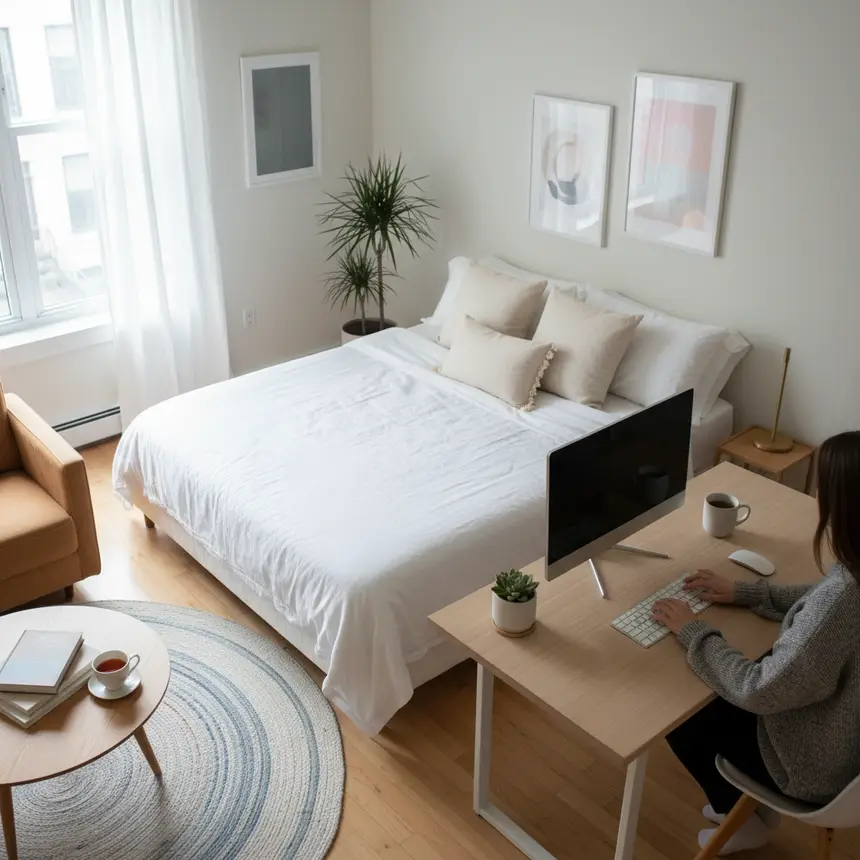
Living alone and dreading winter utility bills? Discover practical ways to manage heating costs without sacrificing comfort. From smart thermostat use to simple daily habits, master your energy spending.

The Solo Dweller's Winter Reality: The Heating Bill Dilemma
For anyone living alone, winter brings more than just chilly weather; it often comes with the added stress of a hefty heating bill. The desire for a warm, comfortable home frequently clashes with the reality of a tight budget, making every thermostat adjustment a moment of hesitation. This challenge is particularly acute in older buildings or apartments with poor insulation, where heating efficiency can be significantly compromised. Balancing the need for warmth with the dread of the month-end statement can feel overwhelming. However, adopting a few thoughtful habits and smart management techniques can significantly ease this financial burden. It's about re-evaluating your current heating routine and discovering more intelligent ways to manage your energy consumption.

Practical Approaches to Optimize Your Home's Heating Efficiency
Effectively managing winter heating costs isn't just about extreme cutbacks, but rather about intelligent usage. By implementing a few practical strategies, you can maintain a comfortable warmth while significantly reducing unnecessary expenses.
- Flexible Thermostat Control: When you're out, lower your thermostat setting. Similarly, aim for a slightly cooler temperature overnight. Adjusting your indoor target temperature dynamically based on outdoor conditions helps minimize energy waste. For instance, setting it to around 64°F (18°C) when away and between 68-72°F (20-22°C) when active at home is a sensible approach.
- Habits for Enhanced Perceived Warmth: Instead of relying on one bulky sweater, layering several thin items of clothing is far more effective for insulation indoors. Actively utilizing warm sleepwear, thick socks, and cozy blankets can make you feel perfectly comfortable even if you lower your thermostat by 1-2 degrees. This helps maintain your body temperature, directly leading to reduced heating system run-time.
- Strategic Use of Supplemental Heating: When you only need to warm a specific area temporarily, consider using low-wattage auxiliary heaters rather than cranking up your central heating. For example, pre-heating your bedroom before bed can reduce your reliance on the main heating system. It's crucial to choose energy-efficient supplemental heaters, as power consumption can vary greatly by model.
- Boosting Home Insulation: Preventing cold air from infiltrating your living space is another key saving strategy. Seal gaps around windows and under doors with weatherstripping or window insulation film to prevent rapid heat loss. Placing rugs or thick mats on floors in living areas and bedrooms can also provide excellent insulation by blocking cold drafts rising from below.
※ This post contains affiliate links. I may earn a commission at no extra cost to you.


Small Changes, Big Impact: Embracing a Warm and Efficient Winter
By integrating these management techniques into your daily life, you'll not only save on heating bills but also create a more comfortable and inviting winter sanctuary. For example, shift from a habit of setting your thermostat to 75°F (24°C) to a more moderate 68-72°F (20-22°C), and actively incorporate warm socks and indoor throws. Before bed, consider turning on a heated mattress pad to warm your sleeping area, and switch your main heating to an 'away' or 'low' setting. Applying window insulation film to block cold air and placing area rugs on floors to prevent drafts will significantly help in retaining indoor warmth. While these adjustments might feel slightly inconvenient at first, consistent practice for just a few weeks will allow your body to adapt, and you'll likely see a noticeable reduction in your monthly utility statement. This shift isn't just about cutting expenses; it fosters a sense of satisfaction and accomplishment in efficiently managing and controlling your living environment. This winter, embrace smart heating management to enjoy both warmth and financial peace of mind.
Frequently Asked Questions
Q. What's the ideal indoor temperature to maintain in a solo apartment during winter?
A. A recommended indoor temperature for winter is generally between 68-72°F (20-22°C). While you can adjust based on personal comfort and activity levels, it's often more effective for saving on heating bills to dress warmly rather than setting the thermostat too high.
Q. Is it better to keep heating on low all day, or turn it off and on as needed?
A. If you're not leaving your home for an extended period, it's generally more efficient to set your heating to a 'low' or 'away' mode rather than turning it off completely. Reheating a cold space often consumes more energy. However, if you'll be away for several days, turning it off is usually best.
Q. Does layering clothes indoors truly help reduce heating costs?
A. Yes, it significantly helps. Layering thin clothes creates air pockets between the fabrics, which acts as excellent insulation. This provides better warmth than a single thick garment and allows you to feel comfortable even if you lower your indoor temperature by 1-2 degrees, contributing to heating bill savings.
Q. How effective are supplemental heating devices like electric blankets or portable heaters for saving on gas bills?
A. Supplemental heating devices can be very effective in reducing overall heating usage by warming specific areas or your body directly. If you choose low-wattage models and use them strategically only when and where needed, they can significantly lower your reliance on gas heating. Be mindful that prolonged use at high settings or using multiple devices simultaneously can increase your electricity bill.
Q. What are some simple and affordable ways to improve insulation in a rented apartment?
A. The easiest and most affordable methods include applying weatherstripping or temporary window insulation film to seal gaps around windows and doors to prevent drafts. Installing thick curtains or placing rugs and carpets on the floor to block cold air are also effective ways to retain indoor warmth. Adding a window insulation film can further enhance your thermal barrier.