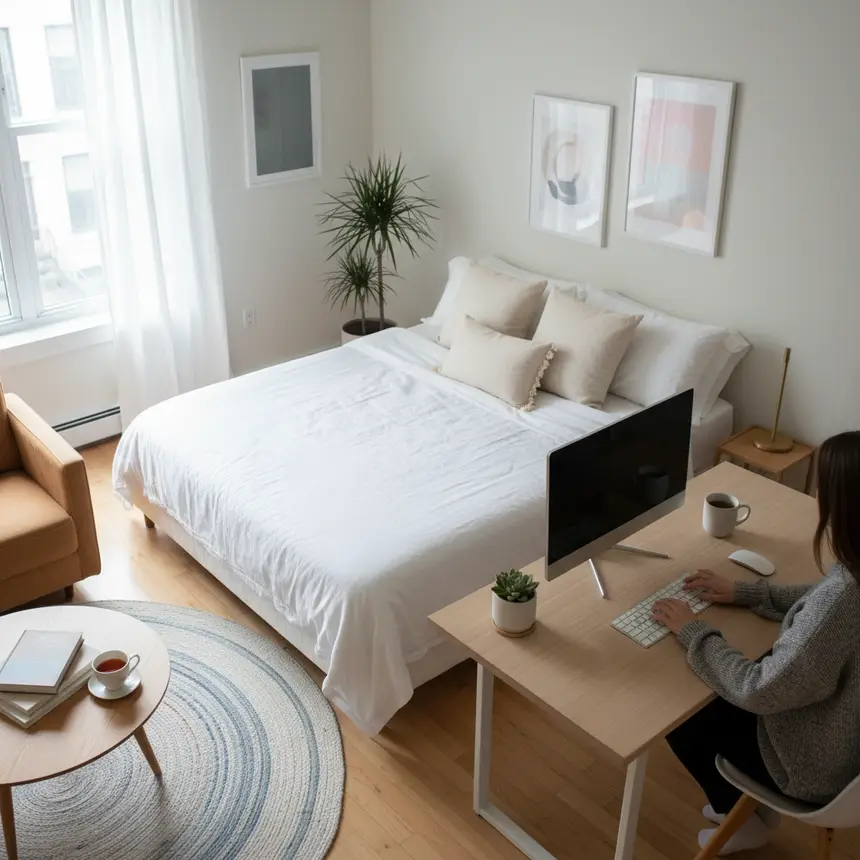
Mold and condensation can plague small living spaces, leading to damage and health issues. Learn practical tips for moisture control and wall maintenance to keep your apartment fresh, clean, and healthy.

Uninvited Guests: Tackling Mold and Dampness in Your Apartment
Living in a cozy apartment brings freedom, but it also comes with its own set of challenges. One of the most common and frustrating issues for renters is the unwelcome appearance of mold and mildew, often accompanied by a damp, musty smell. These unsightly dark patches typically emerge in hidden corners, behind furniture, or on outer walls. What starts as a small discoloration can quickly spread, not only ruining your décor but also contributing to unpleasant odors and potentially affecting your respiratory health. These problems are especially prevalent in poorly ventilated areas, in rooms lacking direct sunlight, or where the exterior walls meet cooler temperatures. Recognizing the early signs, such as peeling wallpaper or slight discoloration, is key to preventing a bigger problem in your personal sanctuary.

Understanding the Roots: Why Your Apartment Gets Damp
The presence of mold and condensation in an apartment isn't usually due to a single factor but a combination of elements. First, inadequate ventilation is a primary culprit. Without regular air circulation, moisture generated from daily activities gets trapped indoors. Think about the steam from cooking, hot showers, or even drying laundry inside – all contribute to high humidity. If this humid air can't escape, it condenses on cooler surfaces like walls and windows, creating the perfect breeding ground for mold. Second, how you arrange your space plays a significant role. Pushing furniture tightly against walls, especially exterior ones, blocks crucial airflow. This creates stagnant pockets of air where moisture can accumulate unnoticed. Lastly, the building's insulation quality can exacerbate the problem. Older buildings, in particular, may have less effective insulation, leading to greater temperature differences between inside and outside, which promotes condensation. For many busy individuals, finding the time to meticulously manage these aspects can feel overwhelming, making the issue harder to address proactively.
※ This post contains affiliate links. I may earn a commission at no extra cost to you.


Practical Solutions for Moisture Control and Wall Health
Creating a comfortable and mold-free apartment involves adopting a few straightforward habits. Firstly, make ventilation a non-negotiable part of your routine. Aim to open windows wide for at least 10-15 minutes daily, especially after activities that generate a lot of moisture. This cross-ventilation helps exchange stale, humid air with fresh, drier air. Secondly, optimize your furniture layout. Ensure there's a gap of a few inches between your furniture and the walls to allow air to circulate freely. This simple adjustment can prevent moisture from getting trapped behind large items. Thirdly, strategically use moisture-absorbing products. Desiccants like silica gel packets, activated charcoal, or commercial moisture absorbers placed in damp-prone areas (like closet corners or under sinks) can significantly reduce indoor humidity. Furthermore, be proactive about wiping away any visible condensation on windows or walls immediately with a dry cloth to prevent mold from taking hold. If you notice minor wall damage or discoloration, drying the area thoroughly and addressing it with a specialized wall repair compound for small imperfections or a gentle cleaning solution for surface mold can keep the problem from escalating.

Everyday Habits for a Healthier Apartment Living Space
Maintaining a healthy and pleasant apartment doesn't require grand gestures; it’s about consistent small actions.
- Establish a daily morning ventilation ritual. While you make your bed, open a window to let in fresh air—it's a great way to start your day.
- Keep an eye on indoor humidity levels throughout the year. While humidifiers are great in dry seasons, a dehumidifier or regular replacement of moisture absorbers is key during damp periods. Aim for indoor humidity between 50-60%.
- Periodically inspect your walls and the back of furniture. Hidden corners and areas behind large items are prime spots for mold growth, so make it a point to check them monthly, wipe them down, and allow them to air out.
- Act swiftly when you spot any signs of wall damage or mold. Even a small patch can escalate if ignored. Address minor issues by ensuring the area is dry, or gently cleaning affected spots with diluted rubbing alcohol. These consistent habits will transform your apartment into a healthier, more inviting place you’ll love to come home to.
Frequently Asked Questions
Q. How should I remove mold from my apartment walls?
A. For minor mold, gently wipe the area with a cloth dampened with rubbing alcohol or a baking soda solution, then ensure it dries completely. Always ventilate the area well and wear gloves and a mask during cleaning.
Q. What can I do to reduce condensation in my apartment during winter?
A. Minimize the temperature difference between inside and outside. Avoid overheating your apartment, limit humidifier use, and ventilate frequently to manage indoor humidity. Wipe down any moisture on windows immediately.
Q. How much space should I leave between furniture and walls?
A. Ideally, leave at least 2-4 inches (5-10 cm) of space between furniture and walls. This allows for proper air circulation, preventing moisture buildup and mold growth.
Q. Does moisture control help with apartment odors?
A. Yes, excessive humidity is a major contributor to musty smells and mold odors. Effective moisture management and good ventilation significantly improve indoor air quality, making your apartment smell fresher.