Struggling to balance time and budget in your busy solo life? Discover practical tips and efficient home management hacks to bring more ease and control to your daily routine.

The Common Hurdles of Solo Living in a Hectic World
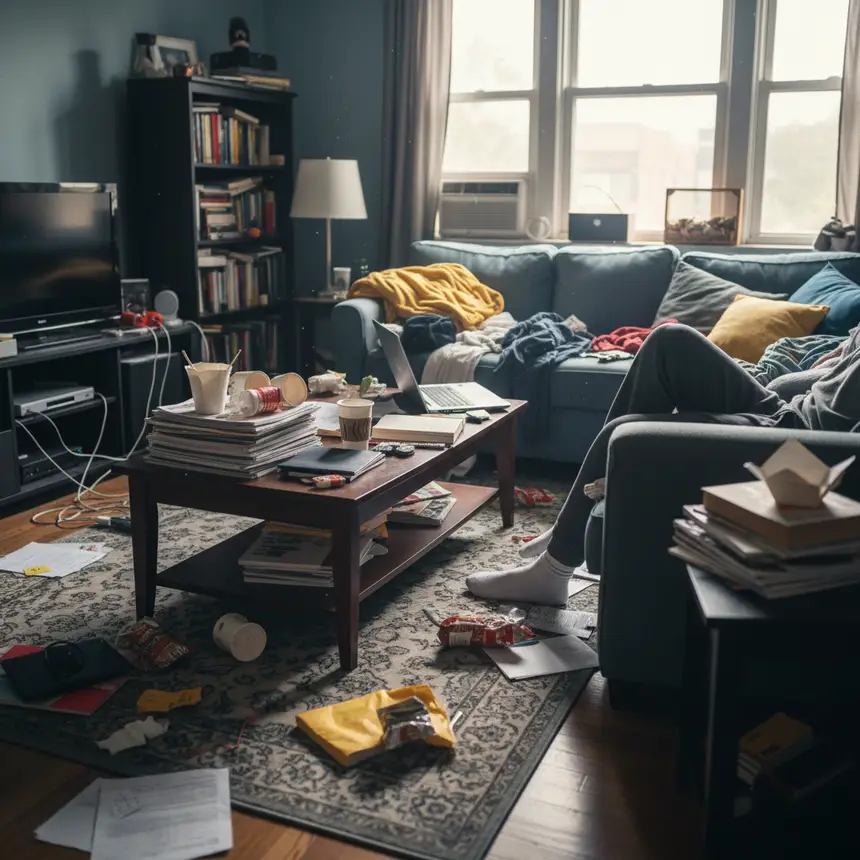
Living independently often comes with its unique set of challenges that resonate with many. Balancing work, studies, and the often mundane grind of daily responsibilities, while also managing a household, can feel overwhelming. The constant cycle of chores, meal prep, and tight budget management can quickly lead to burnout and a loss of motivation. Unexpected expenses or the pressure of maintaining one's health frequently become major obstacles. When these situations become routine, your living space might become disorganized, meals become an afterthought, and your finances feel perpetually unstable. However, even amidst these difficulties, it's entirely possible to find balance and thrive in your solo living journey. Let's explore how to achieve that.

Practical Strategies for Efficient Home Management: Saving Time and Money
To truly enhance the quality of your independent living, efficient home management is crucial. The focus should be on building sustainable habits rather than seeking quick fixes. Here are three key strategies to implement:
- Strategic Meal Planning for Health and Wallet: Plan your weekly meals in advance and shop accordingly to minimize food waste and curb unnecessary takeout. Purchasing staple ingredients (grains, long-lasting vegetables, protein sources) for 2-3 weeks at once is an effective way to save both time and money. Stocking up on versatile protein sources like eggs and canned tuna allows for quick, balanced meal preparation, helping you feel lighter and more energetic with consistent practice.
- Structuring Your Day with a Lifestyle Timetable: Establishing a broad daily schedule is the first step towards boosting efficiency. Clearly define short tasks before work, time for dinner prep after returning home, and dedicated leisure periods. For repetitive chores and household tasks, designate a 'focused time' to tackle them all at once, reducing psychological burden. For instance, dedicate one hour each week to a general tidy-up of your space or to plan the upcoming week's meals.
- Understanding Your Cash Flow for Financial Stability: It's essential to have a clear picture of your income and expenses. Categorize your monthly fixed and variable expenditures, then allocate a budget for each. Recognizing that a single day's work can often cover a week's basic living expenses can make you more mindful of your spending decisions. Make it a habit to track your finances weekly using a journal or app to analyze spending patterns and ensure you stick to your budget.
※ This post contains affiliate links. I may earn a commission at no extra cost to you.


Small Changes, Big Transformations: Enhancing Your Solo Living Experience
Implementing the efficient home management methods discussed can lead to remarkable transformations in your daily life. Instead of attempting to change everything at once, focus on adopting one habit at a time. For example, start your day with simple stretches, or tackle just one quick chore after you get home instead of immediately switching on the TV. For diet management, rather than strict rules, aim for small goals like cooking at home three times a week or ensuring enough protein in one meal.
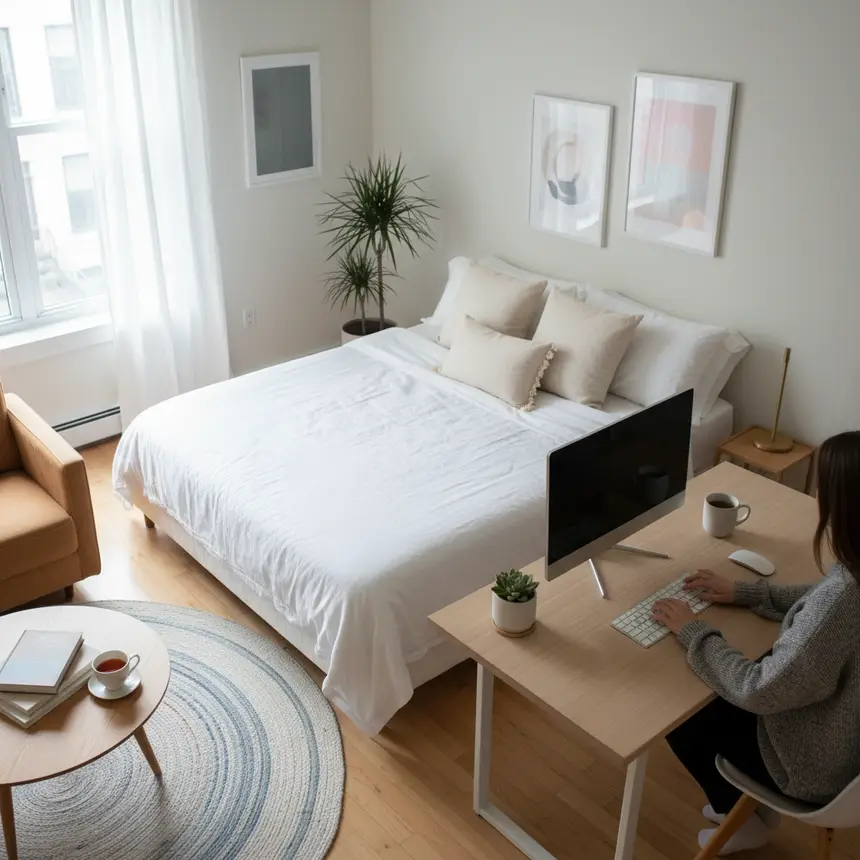
These small adjustments bring significant psychological stability. As your space becomes more organized, your meals more regular, and your bank balance stays within expected limits, your sense of control and satisfaction with daily life will grow. You'll notice your once complicated routine gradually becoming simpler and clearer. This progression isn't just about reducing housework; it extends to greater mental peace and self-assurance, enabling you to lead a more vibrant independent life. Start your journey today with small, consistent actions to build a better tomorrow.
These small adjustments bring significant psychological stability. As your space becomes more organized, your meals more regular, and your bank balance stays within expected limits, your sense of control and satisfaction with daily life will grow. You'll notice your once complicated routine gradually becoming simpler and clearer. This progression isn't just about reducing housework; it extends to greater mental peace and self-assurance, enabling you to lead a more vibrant independent life. Start your journey today with small, consistent actions to build a better tomorrow.
Frequently Asked Questions
Q. What's the best meal prep strategy for busy working individuals living alone?
A. I recommend preparing 2-3 side dishes on the weekend or cooking a large batch of rice and freezing it in individual portions. Also, utilize quick-cooking protein sources like eggs, tofu, or chicken breast to save time during meal preparation.
Q. What are effective tips for consistently maintaining an organized living space?
A. Adhering to the 'put it back immediately' rule is key. Develop the habit of returning items to their designated spots right after use. Additionally, creating a '5-minute tidy-up routine' before bed can help maintain a neat space without much effort.
Q. If I want to save money on living expenses, where should I start?
A. Begin by tracking all your income and expenses for a month to understand your spending patterns. Identify unnecessary subscription services or impulse purchases, and set target budgets for variable expenses like groceries or transportation.
Q. Health management is important for solo living; what efforts are needed besides exercise?
A. Establishing a regular sleep schedule and finding healthy ways to relieve stress are crucial. Furthermore, reducing instant food consumption and ensuring sufficient intake of fresh vegetables and fruits in your diet significantly contributes to overall health.
Q. Any psychological advice to boost satisfaction in solo living?
A. It's important to embrace the mindset that it's okay not to be perfect. Celebrate small achievements, and when stress builds up, take time to recharge with hobbies or rest. Enjoying the process of building your life at your own pace is essential.