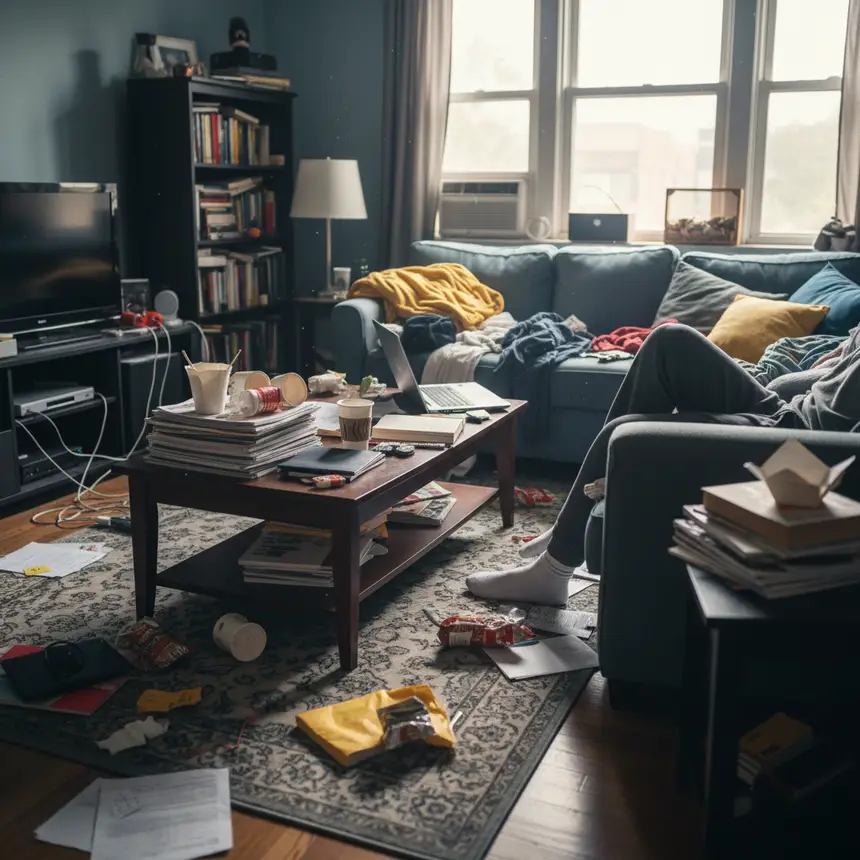
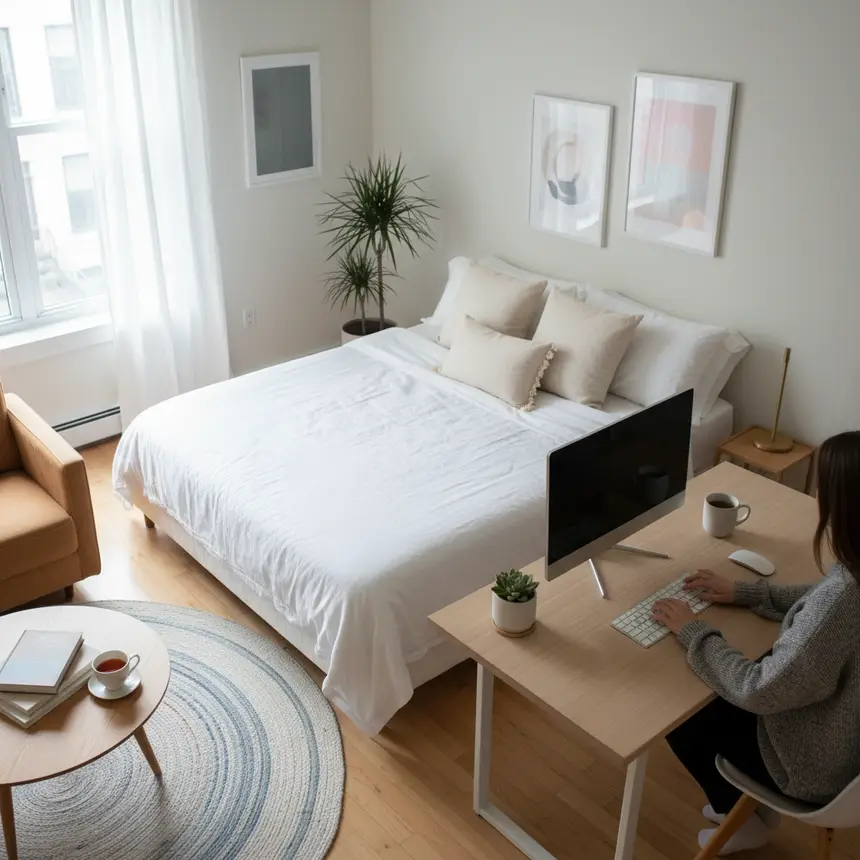
Struggling with apartment organization? Discover practical methods to transform your living space into a clean, comfortable sanctuary. This guide offers step-by-step strategies for improving daily habits, optimizing small spaces, and regaining control over your home life, even with a busy schedule.

H2: The Endless Cycle of Apartment Clutter: Why It Happens
If you're living independently with a busy schedule, you've likely experienced the overwhelming feeling of a growing mess, unsure where to even begin. You might spend an entire weekend tidying up, only for clutter to creep back within days, leaving you disheartened and losing motivation for home management. This constant disarray feels like an unsolvable puzzle, creating significant psychological stress when your living space feels out of control. Beyond just being unsightly, such disorganization wastes time searching for important items and prevents you from completing necessary tasks efficiently. Instead of resigning yourself to being 'bad at organizing,' it's crucial to objectively assess your current situation and identify the root causes of the chaos around you.

H2: Unpacking the Roots of Disorganization: Habits and Space Misuse
Many attribute their tidiness struggles to a lack of time, but often, the real culprits are ineffective approaches and inefficient habits. Simply rushing to clean up is less effective than establishing sound organizational principles. Mindlessly stacking items or shoving them into unseen corners provides only temporary relief and fails to address the core issue. Developing healthy organizational habits typically takes about 4 to 6 weeks, with a similar timeframe needed to grasp fundamental space utilization techniques. If you possess an excessive amount of belongings or face severe storage challenges in specific areas, a longer-term plan, potentially extending beyond 8 weeks, might be necessary. By analyzing your possessions and daily routines, you can pinpoint weak spots, reduce unnecessary items, and reclaim valuable space. Moreover, the habit of hoarding unused items further shrinks already small living quarters, contributing to a sense of psychological confinement.
※ This post contains affiliate links. I may earn a commission at no extra cost to you.


H2: Strategic Organization: Establishing Principles and Optimizing Flow
Effective home management begins with establishing fundamental categorization and organization principles. Blindly purchasing storage solutions without understanding basic sorting rules or cleaning sequences can often worsen the chaos. Start by categorizing all items into 'necessary,' 'unnecessary,' and 'uncertain.' It's especially crucial to declutter unnecessary items decisively to free up space. Tailor your sorting and storage strategies to the unique characteristics of each area and your personal routines. For instance, keep frequently used items within easy reach and less common items in deeper storage. Adopt the 'a place for everything' rule, returning items to their designated spots immediately after use. These small successes will gradually transform the daunting task of organizing and cleaning into a source of confidence. Optimizing the flow within each space, whether it's your kitchen, bedroom, or bathroom, reduces wasted movement and fosters a more efficient lifestyle.

H2: Actionable Tips for Sustainable Apartment Living Management
Successful apartment management isn't a one-time deep clean; it stems from small, consistent habits. It's essential to set small, achievable goals and stick with them daily. Begin with simple actions like making your bed each morning, washing dishes immediately after use, or returning items to their designated places. When bringing new items into your home, apply the 'one in, one out' rule to prevent unnecessary accumulation. Additionally, dedicate a specific time once a month to declutter a particular area (e.g., closet, drawer) to embrace minimalist living practices. These minor efforts collectively contribute to creating a clean and efficient living environment in the long run. Developing systematic home management habits goes beyond mere neatness; it's a key to enhancing life satisfaction and even boosting productivity. Taking care of and nurturing your personal space is, in essence, taking care of yourself.
Frequently Asked Questions
Q. Where should I start when organizing my apartment?
A. Begin with a small, visibly cluttered area to build momentum. For example, tackle your desk or bedside table first to experience a sense of accomplishment. Simultaneously, develop the habit of categorizing all items into 'needed' and 'unneeded'.
Q. I'm too busy to organize. What can I do?
A. Incorporate 'mini-organizing' into your daily life. Dedicate 5-10 minutes each day to tidying a specific small area. For instance, make your bed before leaving, or clean the kitchen after breakfast, integrating small tidying moments into your routine.
Q. My apartment gets messy again quickly after I clean. Any solutions?
A. Assign a 'home' for every item and return it immediately after use. Also, adopt a 'one-in, one-out' rule when purchasing new items to manage the total volume of your belongings effectively.
Q. Do you have tips for efficiently utilizing small apartment spaces?
A. Maximizing vertical space is crucial. Use shelving units, drawer organizers, and wall-mounted storage. Don't overlook hidden areas like under the bed or behind doors. Utilizing multi-functional furniture can also be very helpful.
Q. How can I maintain neatness with minimal effort?
A. Focus on keeping 'visible areas' tidy. Prioritize organizing high-traffic spots like the entryway, kitchen counter, and living room table, as this significantly impacts the overall impression of your home. Also, make it a habit to tidy surrounding items whenever you put something away.