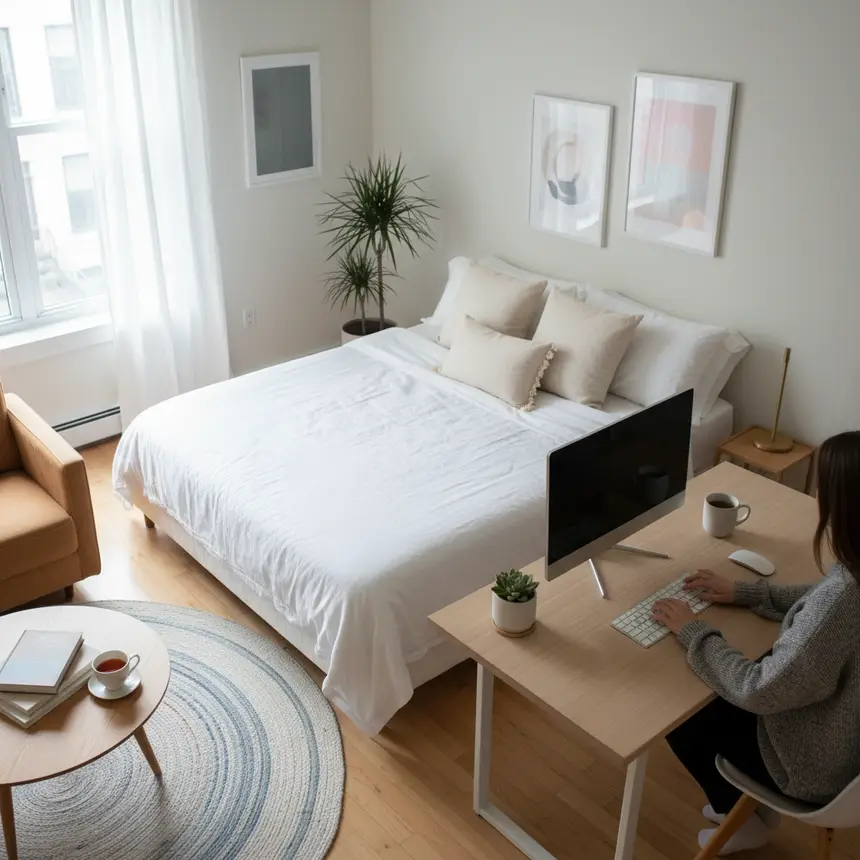
Wondering why your independent living budget disappears so fast? Discover practical tips to save over $100 a month by adjusting small spending habits. Start building sustainable financial wisdom today for your solo living journey.

The Subtle Drain of Daily Spending
For many individuals embracing independent living, a common puzzle is where their hard-earned money vanishes each month. It's rarely a singular, enormous expense that wrecks a budget. Instead, it's the cumulative effect of small, frequent outlays—a quick coffee on the way to work, a convenient meal delivery after a long day—that silently add up. These seemingly insignificant purchases can easily amount to over a hundred dollars monthly, often without conscious awareness. This realization can be a turning point. Personally, I found that identifying these minor financial leaks and tackling them one by one was incredibly effective. Understanding the true destination of your money is the critical first step towards mastering your personal finances and achieving greater economic stability.

Mastering Housing and Utility Costs
Housing is undeniably one of the largest components of living expenses for anyone living alone. When securing a rental, it’s crucial to look beyond just the monthly rent and scrutinize the maintenance or utility fees. A difference of just $30 in monthly administrative fees can accumulate to $360 over a year. Always clarify what’s included in these fees and research typical costs in your area before signing a lease. Furthermore, your monthly electricity and gas bills offer significant savings opportunities through minor adjustments. Simple habits like slightly lowering your thermostat by a degree or two, or unplugging electronics when not in use, can reduce these bills by $20 to $30 each month. These changes minimally impact your comfort but can considerably bolster your financial health. Small, consistent efforts are the secret to smart management of fixed monthly expenditures.
※ This post contains affiliate links. I may earn a commission at no extra cost to you.


Cultivating Efficient Lifestyle Routines for Food and Spending
Food expenses represent a dual challenge in solo living: they are often the easiest to control yet frequently spiral out of hand. Reducing takeout and embracing home cooking is paramount to significantly cutting down your monthly budget. Rather than attempting complex recipes from the start, focus on mastering two or three simple, repeatable meals—think easy stir-fries, pasta dishes, or hearty soups. This approach alleviates cooking pressure and naturally diminishes reliance on expensive delivery services. Re-evaluating how you purchase household essentials is also beneficial. Instead of frequent small buys, consider purchasing items like detergent and toilet paper in bulk or utilizing subscription services. This often lowers the unit cost and reduces the hassle of constant reordering. Additionally, regularly reviewing and cancelling unused streaming services, music subscriptions, or mobile apps can easily save you $30 to $50 each month, plugging often-overlooked financial leaks.

Establishing Personal Financial Boundaries for Lasting Savings
The cornerstone of effective financial management is understanding your spending patterns and setting personal spending guidelines. Rather than committing to a detailed daily budget, begin by simply noting down your primary expenditures. This awareness alone can provide strong motivation to curb unnecessary spending. Take it a step further by establishing specific rules, such as "delivery meals no more than twice a week" or "coffee shop visits limited to three times weekly." Clear rules eliminate decision fatigue and help maintain consistent spending habits. The accumulation of these minor changes can lead to monthly savings exceeding $100. Saving money while living independently isn't about grand, sweeping gestures but about setting realistic goals and consistently adhering to small, manageable practices. Try just one of these suggestions today and gradually discover the sustainable financial management style that works best for you.
Frequently Asked Questions
Q. What's the best first step to take for saving money when living alone?
A. Begin by understanding your current spending habits. Start a simple log or spreadsheet to track where your money is actually going each month.
Q. What are realistic ways to cut down on food delivery costs?
A. Instead of cutting it out entirely, try cooking 2-3 simple, repeatable meals (like scrambled eggs, pasta, or simple stews) a few times a week to reduce your reliance on takeout.
Q. How can I effectively manage subscription services to avoid unnecessary expenses?
A. Regularly review all your recurring subscriptions and cancel any services you rarely use. Make it a habit to check your bank statements for these charges periodically.
Q. What specific habits can help me save on utilities like electricity and gas?
A. Lowering your thermostat by a degree or two, unplugging electronics when not in use, and turning off power strips can save you $20-30 or more per month.
Q. What's the most important mindset for long-term savings in solo living?
A. Focus on making 'slightly better choices' consistently rather than aiming for perfect savings. Establish your own spending boundaries and stick to them incrementally.