Starting your first solo living journey? Discover practical strategies for young professionals to manage loneliness and enhance safety in studio apartments, creating a secure and fulfilling home.

The Unforeseen Realities of Solo Living: A Newfound Freedom with Hidden Challenges
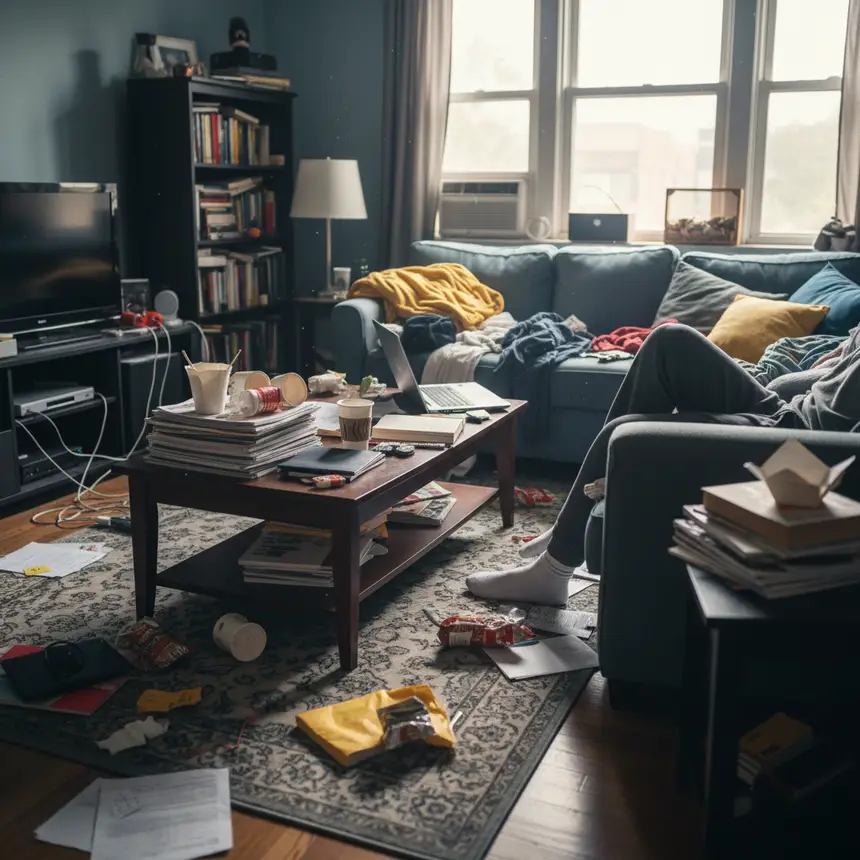
Embarking on the journey of living alone for the first time as a young professional is often painted with the exciting brushstrokes of independence and personal space. The dream of decorating your own place and making your own rules is a powerful one. However, beneath the initial thrill, a different set of feelings can emerge. The quiet solitude of an empty apartment after a long day at work, or the unsettling creaks and sounds of the night, can quickly transform that sense of freedom into feelings of isolation or apprehension. Many first-time renters find themselves grappling with these emotions, especially when moving to a new city without an established support network. It's a common experience for those new to independent living, where the physical act of moving out precedes the emotional adjustment to living entirely on your own.

Unpacking the Roots of Solitude and Safety Worries
The feelings of loneliness and insecurity often associated with a first solo apartment aren't random; they stem from a combination of lifestyle changes and environmental factors. Loneliness frequently arises from a sudden increase in alone time coupled with a decrease in daily social interactions. For young professionals, where work often dictates the primary social circle, the home can inadvertently become a place of isolation rather than sanctuary. Furthermore, the design and build of many studio apartments contribute to a sense of vulnerability. Poor sound insulation can make residents hyper-aware of external noises, fostering unease. More significantly, if a building's common areas lack robust security measures, the peace of mind offered by a locked apartment door can feel insufficient. These intertwined psychological and physical elements can collectively diminish the overall satisfaction of independent living.
※ This post contains affiliate links. I may earn a commission at no extra cost to you.


Practical Approaches to Cultivate Stability and Well-being in Your Own Space
To effectively navigate feelings of loneliness and enhance personal safety during your initial solo living experience, a proactive approach is key. To counter emotional isolation, consider expanding your 'personal space' beyond the confines of your apartment. Make it a point to visit local cafes, public libraries, or community centers a few times a week. Even if you're not directly engaging with others, simply being in a shared environment can significantly reduce feelings of solitude. Second, bolstering your physical security is paramount. When choosing an apartment or assessing your current living situation, pay close attention to three critical security aspects. First, verify that the building's main entrance has a secure access system (like key cards or passcodes) that effectively restricts unauthorized entry. Second, confirm that surveillance cameras (CCTV) are installed and operational in common areas such as hallways, stairwells, and parking lots. Third, investigate whether there is on-site management or security personnel who conduct regular patrols and can respond promptly to any incidents. Diligently checking and utilizing these features can substantially alleviate anxiety.

Building Your Personal Blueprint for a Secure and Enriched Independent Life
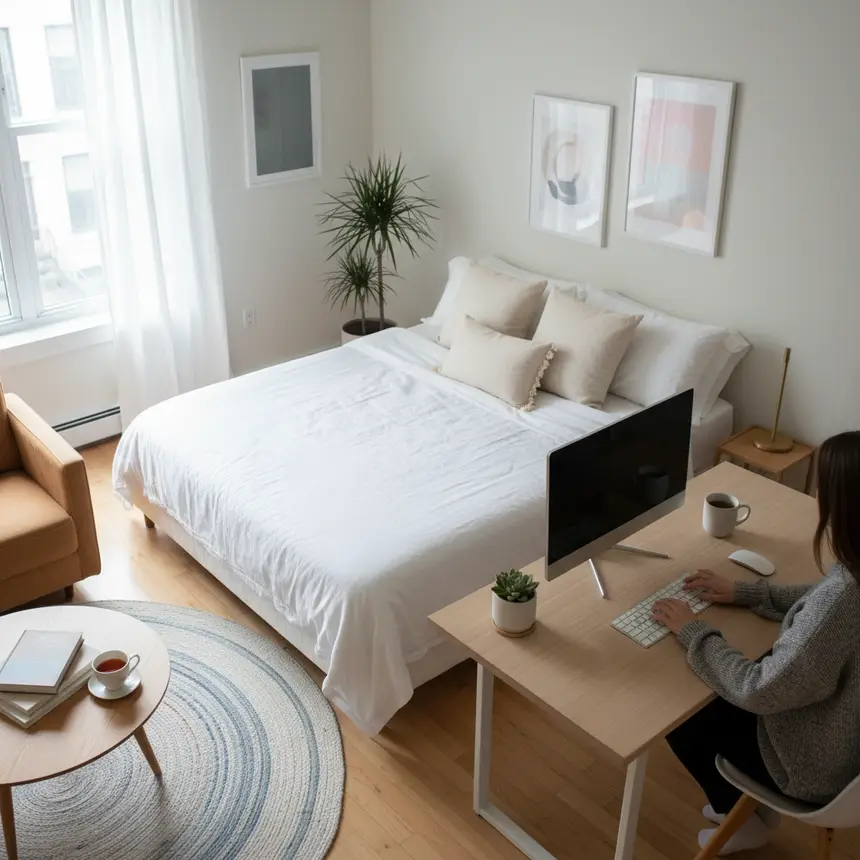
Successfully settling into your first independent living situation hinges on establishing and consistently maintaining a stable daily routine. To minimize loneliness, try to balance your time spent alone at home with engaging in outside activities like a casual walk or pursuing a hobby. Joining online communities or local clubs based on shared interests can also be an excellent way to connect with others. Furthermore, personalizing your living space to reflect your taste and comfort is crucial. Adorn your apartment with art or plants, and utilize comfortable lighting to create a soothing ambiance that promotes psychological well-being. From a safety perspective, make it a habit to double-check that all doors and windows are securely locked before going to bed. It’s also wise to share your address and emergency contacts with close family or trusted friends in case of an unforeseen event. Your first solo living experience is more than just a change of address; it's a valuable chapter in learning to manage and take responsibility for your own life. By implementing these practical tips, you can build a secure and deeply satisfying independent lifestyle.
Frequently Asked Questions
Q. How can young professionals combat loneliness when living alone?
A. Actively seek out public spaces like cafes, libraries, or community centers, and engage in social activities through clubs or online groups. Consistently pursuing personal hobbies can also provide fulfillment and reduce feelings of isolation.
Q. What key security features should I check when renting a studio apartment?
A. Prioritize buildings with secure main entrance access systems, functioning CCTV in all common areas (hallways, parking), and visible on-site management or security presence for quick response to issues.
Q. Any tips for adjusting smoothly to my first solo living experience?
A. Establish a consistent daily routine, balance your home time with outside activities or hobbies, and personalize your space with decor and lighting to create a comforting environment that fosters well-being.
Q. What should I do in case of an emergency while living alone?
A. Remain calm and immediately contact your emergency contacts (police, fire department, family, close friends). It's also helpful to familiarize yourself with your building's emergency exits and safety features beforehand.