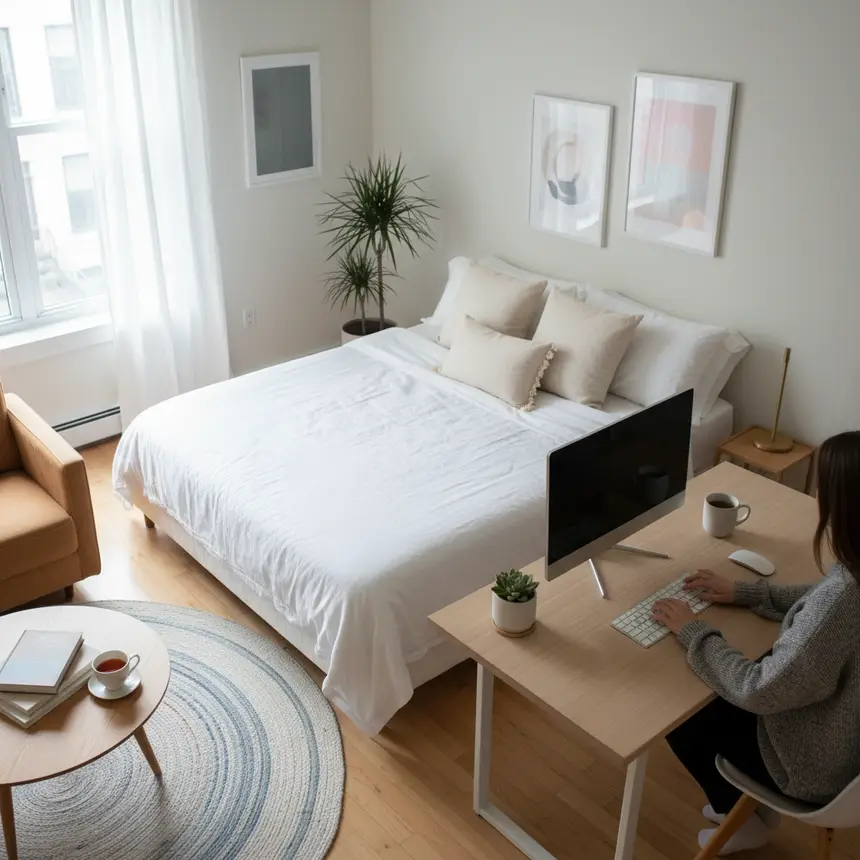
Tired of your takeout habit draining your wallet? Discover practical strategies for meal planning, smart grocery shopping, and easy home cooking that will cut your food expenses and boost your well-being. Transform your solo living experience with these money-saving kitchen hacks!

The Takeout Trap: Why Solo Living Often Leads to High Food Costs
Embracing independent living in your own space is a dream for many. However, beneath the convenience often lies an unexpected financial burden, particularly when it comes to food expenses. The fast-paced nature of solo life often nudges us towards takeout or delivery instead of cooking, making paychecks feel like they vanish too quickly. Weekends, especially, can see an increase in casual dining out as a way to unwind, leading to costs that far exceed initial estimates. What starts as a seemingly convenient and reasonable choice can, over time, become a significant financial strain, prompting many solo dwellers to grapple with food budget management. Recognizing the impact of frequent dining out on your finances and seeking smart solutions is a crucial step towards a more secure lifestyle.

Savvy Kitchen Strategies: Mastering Meal Prep and Grocery Budgeting
Managing your food budget isn't just about cutting costs; it's about fostering healthier eating habits and enhancing your overall quality of life. By implementing a few strategic approaches, you can significantly reduce your dining-out expenses and enrich your solo living experience.
- First, master weekly meal planning to avoid impulse buys: Dedicate time each week to plan 3-4 main meals. Use this plan to create a precise grocery list, prioritizing ingredients you already have. This 'eat from your pantry' approach minimizes waste.
- Second, leverage seasonal produce and store sales: Seasonal ingredients are not only fresher but also more affordable. Keep an eye out for weekly specials and discounts at your local grocery store to get the most value.
- Third, embrace 'cook once, eat multiple times': Maximize ingredient utility. For example, a batch of roasted chicken can serve as a salad topping, a sandwich filling, or the protein for a stir-fry.
- Fourth, opt for simple, balanced recipes: Quick-to-prepare dishes like one-pan meals, stir-fries, or grain bowls are perfect for busy schedules. Remember to incorporate a variety of vegetables for balanced nutrition.
- Fifth, practice smart portioning and freezing: When buying in bulk, immediately portion ingredients into meal-sized servings and store them in airtight containers or freezer bags. This extends shelf life and reduces food waste. These habits collectively pave the way for effective food budget management.
※ This post contains affiliate links. I may earn a commission at no extra cost to you.


From Kitchen Chaos to Financial Calm: Real-World Savings and Lifestyle Upgrades
Implementing smart food budgeting strategies goes beyond saving money; it ushers in positive changes throughout your daily life. For instance, a versatile base like seasoned ground meat with mixed vegetables can effortlessly transform into a hearty taco filling, a rich pasta sauce, or a satisfying rice bowl. A simple home-cooked meal like this offers health benefits and hygiene assurances that dining out often lacks, all while delivering substantial cost savings. The money saved can then be reallocated towards building an emergency fund, investing in hobbies, or furthering personal development. This newfound financial freedom alleviates the stress associated with food expenses, boosts your culinary confidence, and ultimately enhances your overall satisfaction with solo living. Try setting up an automatic transfer of your estimated weekly dining-out savings into a separate 'fun' or 'savings' account. Witness firsthand how these small, consistent habits can lead to remarkable and positive transformations in your life.
Frequently Asked Questions
Q. What's the most important tip for solo dwellers when planning meals?
A. Focus on efficiency and practicality: plan meals for the week, prioritize using ingredients you already have, and choose recipes that are quick to prepare or can be batch-cooked for multiple servings to save time and money.
Q. How can I stick to home cooking if I'm short on time during the week?
A. Don't aim for perfection. Start by committing to 2-3 home-cooked meals a week. Utilize weekend prep time to chop vegetables or cook base proteins that can be quickly assembled into meals on busy weeknights.
Q. Any advice for keeping groceries fresh longer to minimize waste?
A. Upon returning from the grocery store, wash and chop produce, then store them in airtight containers or freezer bags. Freezing pre-portioned items like meats, grains, or sauces is also an excellent strategy to extend their shelf life and prevent spoilage.