Struggling with dampness and musty laundry smells in your solo apartment during the rainy season? Discover practical tips for efficient humidity management, from clothes to shoes, to maintain a fresh and comfortable indoor environment.

Battling the Humidity: Solo Apartment Challenges in Rainy Season
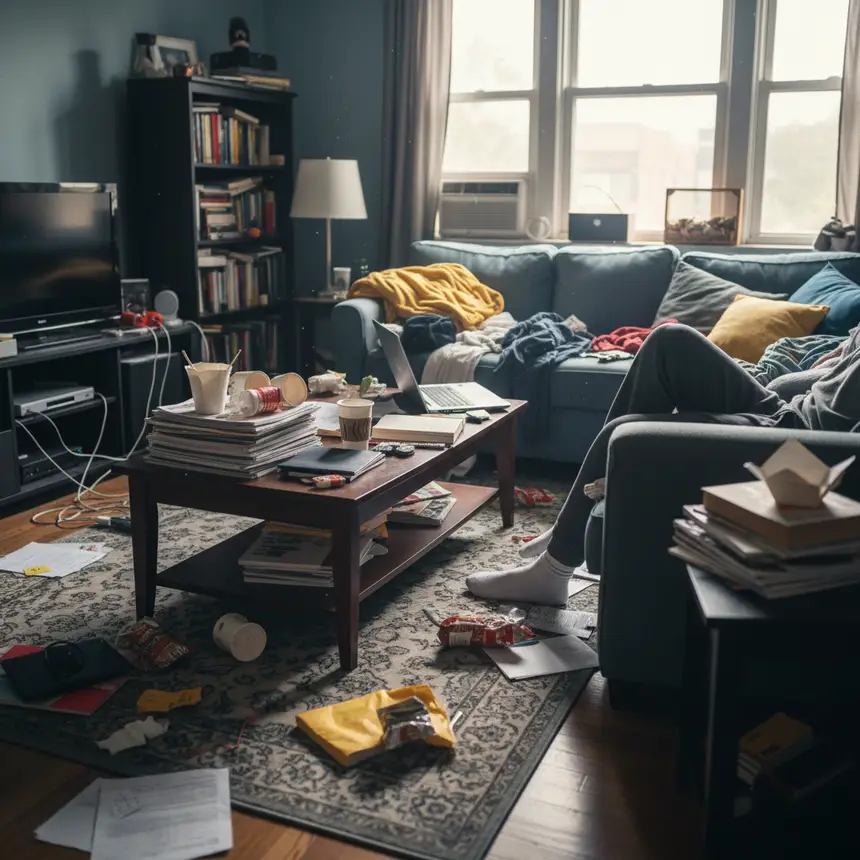
Every year, the rainy season brings a unique set of challenges for those living alone. Small living spaces quickly become breeding grounds for humidity, making laundry dry at a snail's pace and often leaving it with that tell-tale musty smell. Just a few days of continuous rain can make the air inside feel heavy, surfaces sticky, and overall comfort levels plummet. This is especially true for studio apartments or basement units where ventilation is already limited. We've all experienced shoes that won't dry out and even our neatly organized closets feeling damp. This environment isn't just unpleasant; it can affect your health and significantly decrease your satisfaction with your living space. For a comfortable and healthy solo living experience, proactive humidity management during the rainy season is absolutely essential, not just an option.

Smart Habits for Humidity Control and Odor Elimination
Transforming your damp rainy-season apartment into a comfortable sanctuary requires adopting a few practical habits. First and foremost is indoor humidity control. Even in compact spaces, it's beneficial to utilize appliances designed for moisture removal. For instance, running a small dehumidifier regularly can effectively maintain optimal indoor humidity levels, significantly improving air quality. It's often surprising to see how much water collects, indicating the sheer amount of moisture in the air. Simply emptying the water tank about once a week can make your living space noticeably fresher. Next, let's tackle laundry odors. When washing clothes, consider adding a small amount of fragrance-boosting additive (e.g., about half a capful to the wash cycle). This can effectively neutralize stale odors and infuse your fabrics with a long-lasting, pleasant scent, which is particularly useful when clothes must be dried indoors. Lastly, proper clothing and shoe care minimizes damage from dampness. For wet shoes, using a dedicated shoe dryer helps them dry quickly, preventing unpleasant odors and potential damage. These compact devices are convenient to store and perfect for occasional use. Furthermore, protecting your wardrobe with moisture absorbers or moth repellents in closets and drawers can safeguard your clothes. Some products even offer pleasant scents or change color to indicate when replacement is needed, making maintenance simple.
※ This post contains affiliate links. I may earn a commission at no extra cost to you.


Small Changes, Big Impact: A Fresher Solo Living Experience
Integrating these practical humidity management tips into your daily routine is easier than you might think. For example, make it a habit to immediately place wet shoes into a shoe dryer upon returning home, rather than leaving them by the door. Remember to add your laundry booster with each wash cycle, and make running your dehumidifier a routine, whether it's overnight or while you're out. On weekends, take a few moments to open your closet doors for ventilation and check the status of any moisture absorbers. These seemingly minor habits might feel like extra steps at first, but they will gradually become second nature and lead to noticeable improvements. You'll experience a shift from heavy, damp air to a fresh atmosphere, laundry that smells delightful, and clothes that stay crisp and dry in your closet. This transformation can turn the dreaded rainy season into a time of comfort and peace of mind in your apartment. These small efforts cumulatively enhance the quality of your living space and, ultimately, contribute to a greater sense of well-being in your solo life.
Frequently Asked Questions
Q. What's the ideal indoor humidity level for comfort and health?
A. Generally, an indoor humidity level of 50-60% is considered comfortable and healthy. Higher humidity encourages mold and bacterial growth, while excessively low humidity can lead to respiratory issues due to dryness.
Q. How can I efficiently ventilate a small studio apartment?
A. Even in a small space, it's crucial to ventilate frequently for short periods. Open windows wide to create a cross-breeze, or leave them slightly ajar when you step out. During dry spells, open your door for a bit to circulate air.
Q. What should I focus on during laundry to prevent musty smells?
A. Avoid overloading your washing machine to ensure proper agitation, and dry clothes immediately after the cycle finishes. Use an appropriate amount of fabric softener or scent booster, and regularly clean your washing machine drum to prevent mold buildup.
Q. How should I store and dry shoes that got wet in the rain?
A. After wiping off excess water, stuff wet shoes with newspaper to absorb moisture, or use a dedicated shoe dryer until they are completely dry. Store them in a well-ventilated area and avoid putting them directly into your shoe cabinet while still damp.