Tired of that persistent stale smell in your apartment fridge? Discover the common causes of mixed food odors and learn effective refrigerator deodorizing and management tips to maintain a truly fresh kitchen environment.

The Solo Dweller's Dilemma: Dreading to Open the Fridge Door
Living alone offers immense freedom, but it often comes with its own set of minor, often unexpected, challenges. Among these, a widely shared frustration is the unwelcome odor that greets you every time you open your refrigerator door. Despite your best efforts to keep the interior neat and tidy, a stale or mixed food smell can waft out, creating an immediate sense of unease.
This recurring fridge odor isn't just unpleasant; it can sow doubts about the freshness of your stored food and detract from the overall pleasantness of your kitchen space. Initially, you might blame a forgotten food item or an old container of leftovers, prompting a thorough cleaning. However, after just a few days, that familiar odor often returns, signaling that a more fundamental solution is required. Managing refrigerator odors is crucial for more than just hygiene; it directly impacts your daily comfort and quality of life. If you find yourself cringing each time you reach for something in the fridge, it's a clear sign that it's time to adopt a more proactive odor management strategy.
This recurring fridge odor isn't just unpleasant; it can sow doubts about the freshness of your stored food and detract from the overall pleasantness of your kitchen space. Initially, you might blame a forgotten food item or an old container of leftovers, prompting a thorough cleaning. However, after just a few days, that familiar odor often returns, signaling that a more fundamental solution is required. Managing refrigerator odors is crucial for more than just hygiene; it directly impacts your daily comfort and quality of life. If you find yourself cringing each time you reach for something in the fridge, it's a clear sign that it's time to adopt a more proactive odor management strategy.
Why Fridge Odors Linger: Understanding the Roots and Habits
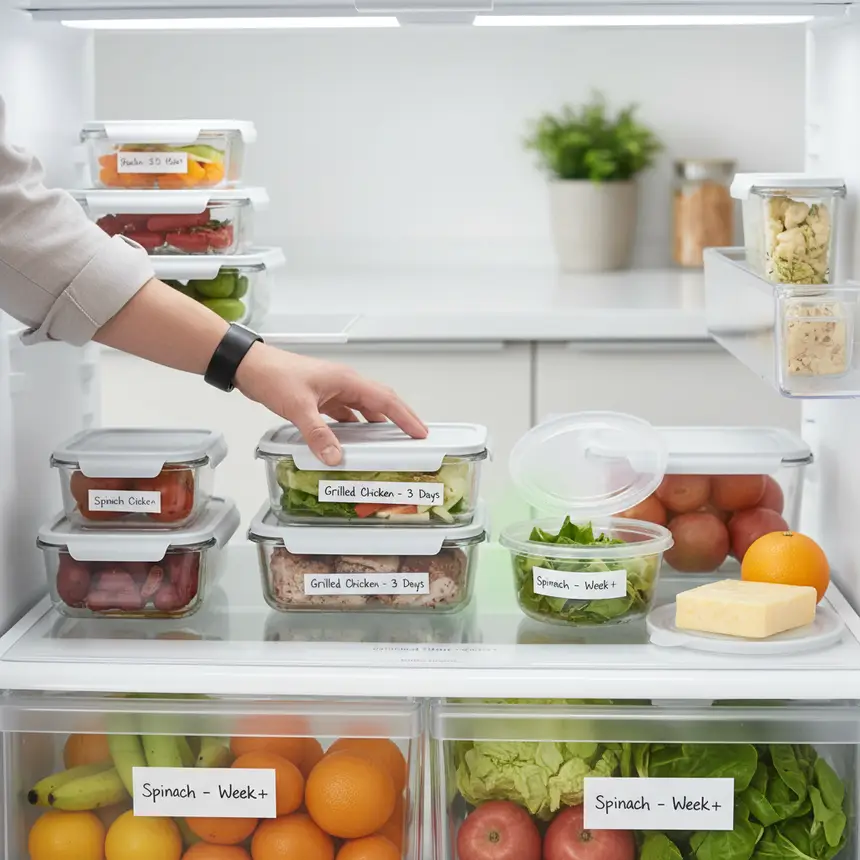
The persistent recurrence of refrigerator odors stems from a complex interplay of factors. A fridge is a unique environment where various food items, each with distinct and often strong aromas—from spicy kimchi to fresh produce and fish—are stored together in close proximity. Even with the use of airtight containers, microscopic odor molecules can escape and mingle in the circulating air. This blend of aromas permeates the fridge's internal atmosphere, explaining why even a diligent wipe-down doesn't eliminate the smell.
Furthermore, fluctuations in internal temperature and humidity can create conditions favorable for odor-causing microbial growth. Simply cleaning visible spills or residues isn't enough to tackle airborne odor molecules. Therefore, effectively tackling fridge odors requires understanding these underlying causes and assessing your everyday habits.
Furthermore, fluctuations in internal temperature and humidity can create conditions favorable for odor-causing microbial growth. Simply cleaning visible spills or residues isn't enough to tackle airborne odor molecules. Therefore, effectively tackling fridge odors requires understanding these underlying causes and assessing your everyday habits.
- Regular Food Inventory: Make it a weekly habit to check expiration dates and freshness of all items. Promptly discard anything old or spoiled to remove odor sources.
- Secure Storage: For strong-smelling foods, always use securely lidded, airtight containers to minimize odor diffusion.
- Humidity Control: Periodically wipe down any condensation on inner walls and avoid overpacking the fridge, which can obstruct proper air circulation.
※ This post contains affiliate links. I may earn a commission at no extra cost to you.

Practical Deodorizing Strategies for a Truly Fresh Refrigerator
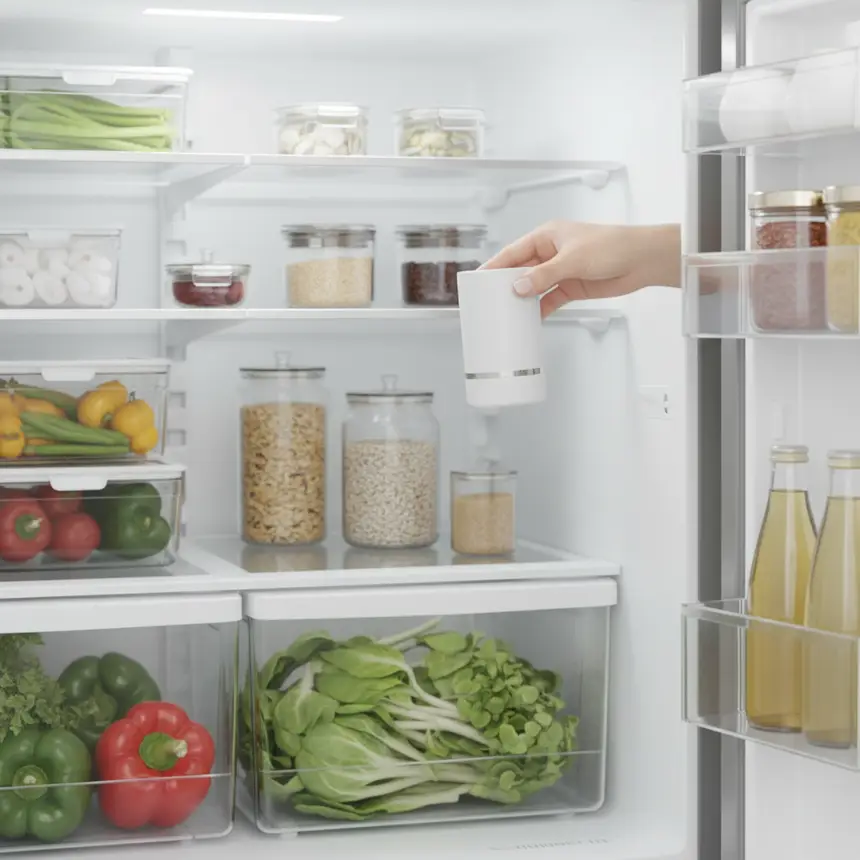
For a truly fresh and odor-free refrigerator, simply cleaning surfaces isn't enough; an active deodorizing approach is essential. While the market offers a wide array of odor control products, selecting the most effective one requires considering a few key criteria:
For practical application, position your chosen odor absorber on a central shelf or near the door where air circulates freely. It's crucial to replace the product according to the manufacturer's recommended lifespan, or when you notice odors starting to return. Beyond the fridge, these odor absorbers can also be effectively used in other common problem areas like shoe cabinets, trash bins, or even small closets, significantly enhancing the overall freshness of your living space. Managing refrigerator odors is directly linked to kitchen hygiene, which in turn impacts your daily meals and overall living satisfaction, necessitating consistent attention and effort.
- Neutralization Over Masking: Opt for products that actively absorb and neutralize odor molecules rather than just covering them up with another scent. This approach preserves the natural aromas of your food and maintains a truly fresh environment.
- Stable Form and Material: Given that food is stored in this space, solid or gel-based deodorizers are often preferable as they pose no risk of spills or contamination. A product with a sleek, unobtrusive design that blends well with your kitchen's aesthetic can also enhance your satisfaction.
- Air Circulation Design: Deodorizers designed to promote even air circulation within the fridge can ensure consistent and sustained odor-absorbing performance.
For practical application, position your chosen odor absorber on a central shelf or near the door where air circulates freely. It's crucial to replace the product according to the manufacturer's recommended lifespan, or when you notice odors starting to return. Beyond the fridge, these odor absorbers can also be effectively used in other common problem areas like shoe cabinets, trash bins, or even small closets, significantly enhancing the overall freshness of your living space. Managing refrigerator odors is directly linked to kitchen hygiene, which in turn impacts your daily meals and overall living satisfaction, necessitating consistent attention and effort.
Frequently Asked Questions
Q. Why does my refrigerator still smell even after frequent cleaning?
A. Refrigerator odors often stem from airborne molecules released by food. Surface cleaning alone can't eliminate these invisible odor particles. A mix of different food smells permeates the air, necessitating additional odor control methods that absorb or neutralize these molecules.
Q. What are the key factors to consider when selecting a refrigerator deodorizer?
A. The most crucial factor is choosing a product that neutralizes or absorbs odor molecules, rather than one that merely masks them with fragrance. Additionally, consider safety (non-toxic ingredients), stability (no spills), and a design that supports good air circulation within the fridge.
Q. How often should I replace my fridge deodorizer?
A. Replacement frequency varies by product, but generally, every 1 to 3 months is recommended. Always follow the manufacturer's instructions, or replace it when you start noticing odors again.
Q. Do you have any tips for storing food to minimize fridge odors?
A. Yes, always store strong-smelling foods (like kimchi or fish) in airtight containers. Avoid overpacking your fridge to allow for proper air circulation. Regularly check your food items and promptly discard anything spoiled or past its prime.
Q. Besides the kitchen, where else can I use odor absorbers in my living space?
A. Odor absorbers are effective in shoe closets, near trash cans, in clothes wardrobes, and drawers—anywhere odors tend to accumulate or where space is enclosed. They help create a fresher indoor environment throughout your home.