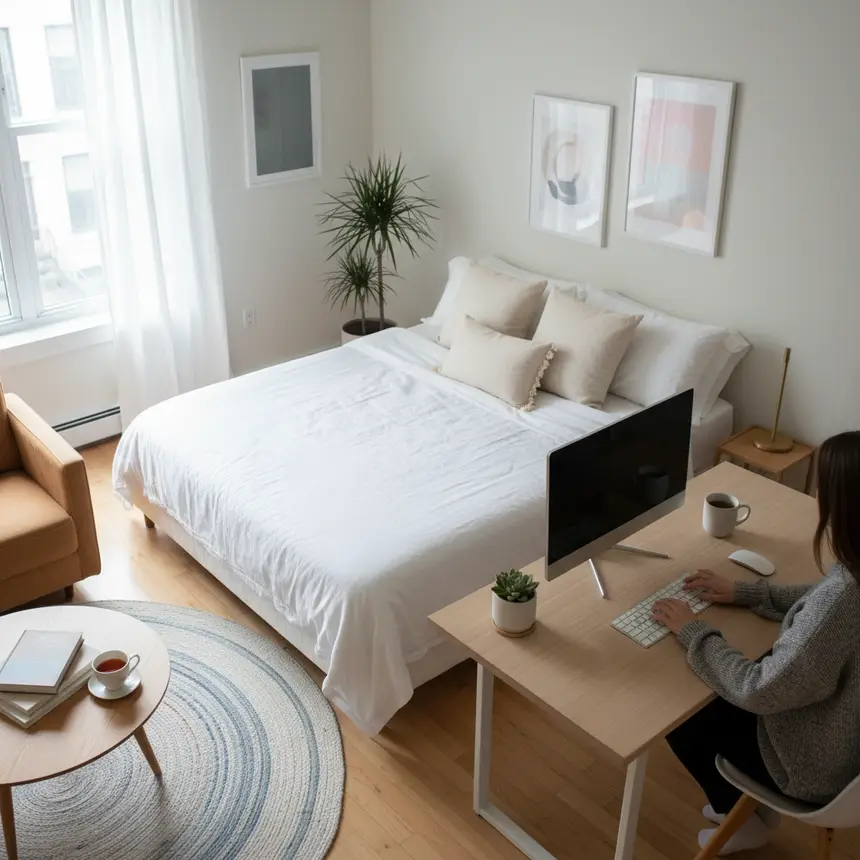
Feeling overwhelmed by solo living? This guide offers practical tips for smart budgeting, savvy shopping for essentials, and efficient organization habits to make your independent life smoother and more enjoyable.

H2. The Reality of Independence: Unexpected Costs and Management Challenges
Embarking on the journey of solo living often comes with a mix of excitement and apprehension. For many, the practicalities of managing finances, paying bills, and continuously stocking up on daily essentials can quickly become overwhelming. It’s common to feel a pinch in your wallet and see clutter accumulate, leading to questions about how to manage your personal space and budget more effectively. This initial struggle with higher-than-expected expenses and the complexities of household management is a shared experience for those living alone. Yet, with a strategic approach, these common hurdles can be significantly minimized, paving the way for a more relaxed and fulfilling independent lifestyle.

H2. Core Strategies for Smart Solo Living Management
To truly thrive in your own space, it's essential to adopt several key management strategies. This involves moving beyond mere frugality to thoughtful resource utilization and expense reduction. Three primary areas deserve your focus:
1. Understanding Expenses and Budgeting: The first step is to gain clarity on your income and outflow. Whether using a notebook or a budgeting app, meticulously track both fixed expenses—like rent, utilities, and phone bills—and variable costs such as groceries, transportation, and leisure. This practice reveals spending patterns, identifies areas for potential savings, and enables you to set and adhere to a realistic monthly budget.
2. Savvy Shopping for Household Essentials: Items like toiletries, groceries, and cleaning supplies are recurring expenses. Rather than solely focusing on the lowest price, consider the long-term value. Explore options like buying in bulk, subscribing to regular deliveries, or even purchasing certain items second-hand. Leveraging platforms or membership programs that offer benefits for consolidated purchases can lead to substantial savings over time. For instance, discounts or reward points from specific services can significantly cut down on recurring household costs. Creating a list of needed items and planning your purchases ahead of time is a smart financial habit.
3. Maximizing Space Efficiency: In smaller living quarters, optimizing your space is crucial for enhancing your quality of life. Declutter regularly, invest in storage solutions that utilize vertical space, and consider multi-functional furniture. A well-organized environment contributes to peace of mind and operational efficiency. It also reduces the time and effort spent searching for items or cleaning.
1. Understanding Expenses and Budgeting: The first step is to gain clarity on your income and outflow. Whether using a notebook or a budgeting app, meticulously track both fixed expenses—like rent, utilities, and phone bills—and variable costs such as groceries, transportation, and leisure. This practice reveals spending patterns, identifies areas for potential savings, and enables you to set and adhere to a realistic monthly budget.
2. Savvy Shopping for Household Essentials: Items like toiletries, groceries, and cleaning supplies are recurring expenses. Rather than solely focusing on the lowest price, consider the long-term value. Explore options like buying in bulk, subscribing to regular deliveries, or even purchasing certain items second-hand. Leveraging platforms or membership programs that offer benefits for consolidated purchases can lead to substantial savings over time. For instance, discounts or reward points from specific services can significantly cut down on recurring household costs. Creating a list of needed items and planning your purchases ahead of time is a smart financial habit.
3. Maximizing Space Efficiency: In smaller living quarters, optimizing your space is crucial for enhancing your quality of life. Declutter regularly, invest in storage solutions that utilize vertical space, and consider multi-functional furniture. A well-organized environment contributes to peace of mind and operational efficiency. It also reduces the time and effort spent searching for items or cleaning.
※ This post contains affiliate links. I may earn a commission at no extra cost to you.


H2. Building a Practical Routine for Independent Living
Effective home management isn't about grand gestures but about consistent, small routines. By incorporating simple daily and weekly habits, you can maintain a pleasant living space and boost your overall satisfaction:
- The 10-Minute Tidy-Up: Before bed or leaving for the day, dedicate just 10 minutes to putting things back in their place. Wash dishes immediately after meals, or return items to their designated spots right after use. These minor efforts prevent clutter from accumulating and significantly reduce the burden of a large weekend clean-up.
- Weekly Cleaning Checklist: Designate specific days for different cleaning tasks. For example, Monday for the bathroom, Wednesday for recycling, and Saturday for changing linens and vacuuming. Breaking down tasks into smaller, manageable chunks prevents burnout and makes maintaining cleanliness much more sustainable than trying to tackle everything at once.
- Embrace Minimalism: Before purchasing anything new, ask yourself, 'Do I truly need this?' Preventing unnecessary items from entering your home creates a more spacious and calming environment. Periodically declutter by discarding or donating items you no longer use. A good rule of thumb is 'one in, one out' to keep possessions in check.

H2. Investing in Your Serene Personal Sanctuary
Solo living extends beyond mere independence; it's a valuable journey of self-discovery and personal management. While the initial stages might feel daunting, consistent small habits and smart management strategies can lead to a stable and fulfilling daily life. We hope these tips help transform your living space into a more comfortable and efficient haven. From smart budgeting and space optimization to maintaining cleanliness, every effort you make is an investment in yourself, laying the groundwork for a richer life. Start with one small step today. We wholeheartedly support your path to independent living!
Frequently Asked Questions
Q. How can I effectively reduce my living expenses?
A. To save money, start by tracking your income and expenses to set a monthly budget. Cook meals at home more often than eating out, opt for budget-friendly mobile plans, and buy bulk household items or utilize membership discounts.
Q. What are the secrets to keeping a small apartment tidy?
A. In a small space, embrace minimalism and maximize storage efficiency. Declutter unnecessary items, use vertical storage solutions on walls, and opt for multi-functional furniture. A daily 10-minute tidy-up routine also makes a huge difference.
Q. What are essential living items for solo dwellers, and how can I buy them affordably?
A. Essential items include basic kitchenware, cleaning supplies, and laundry necessities. To buy affordably, look for online platforms offering discounts on bulk purchases, consider subscription services for recurring items, and explore second-hand markets.
Q. What are some easy organizing habits for beginner solo dwellers?
A. Adopt the 'put away immediately after use' rule. Spend 10 minutes each night putting things back in their place. Breaking down cleaning tasks into weekly zones also makes it less overwhelming and more manageable.
Q. Are there any time-saving home management tips for busy professionals living alone?
A. Busy professionals can save time by using meal kits or preparing make-ahead meals. Utilize automated appliances like robot vacuums. Instead of saving all chores for the weekend, try to tackle small organizational tasks for a few minutes each evening to free up your weekends.