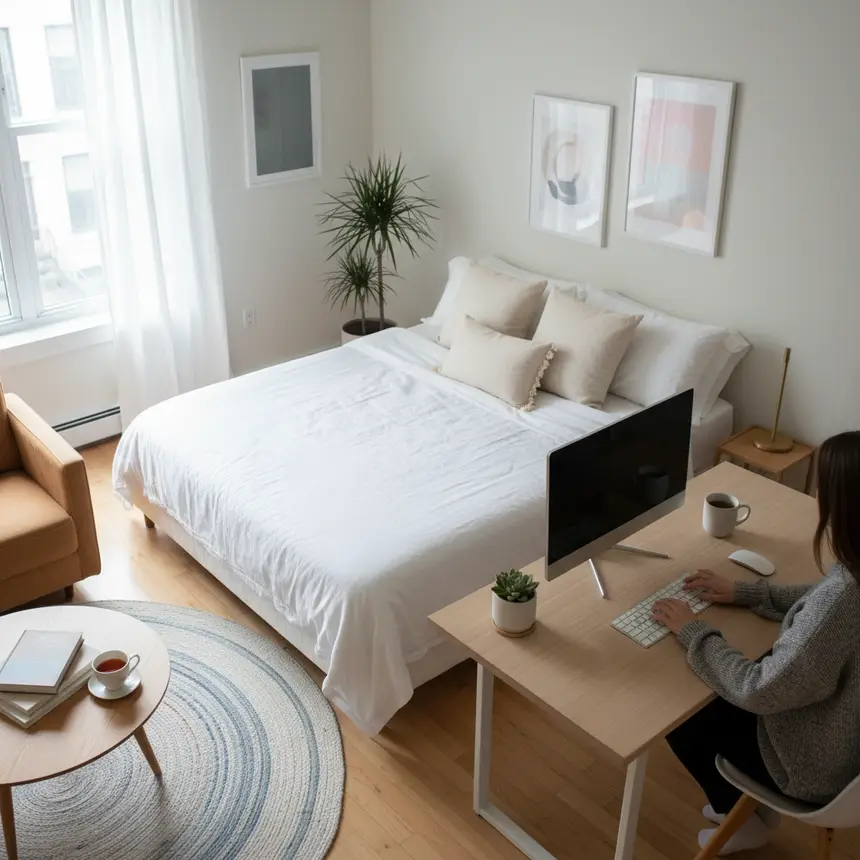
A practical guide to managing your home when living alone. From cleaning and laundry to efficient space utilization, discover smart habits to create a comfortable and organized solo living space.

Embarking on Solo Living: The Initial Hurdles of Home Management
The excitement of finally having your own space often quickly gives way to the practical realities of managing a household. Many who venture into independent living can attest to this feeling – I certainly did. Before moving out, I hadn't fully grasped how complex and time-consuming daily chores like cleaning, laundry, cooking, and washing dishes could be. My first apartment was a chaotic mess, but through trial and error, I gradually developed my own efficient system. This guide aims to share practical tips for solo living beginners, helping you create a more comfortable and enjoyable independent lifestyle.

The Stress of Neglected Spaces: A Cycle of Procrastination
In our busy lives, it's easy to postpone household tasks. The thought of 'I'll do it tomorrow' can quickly snowball, becoming a significant source of stress. Floors accumulate hair and dust, forming a grey carpet, while stacks of used dishes in the sink begin to emit unpleasant odors. Bathrooms become marred by water stains and mold, leading to both hygiene issues and psychological discomfort. A poorly maintained living space can drain your physical and mental energy, ultimately diminishing your overall zest for life. Preventing such situations and maintaining a pleasant living environment is fundamental to a healthy solo living experience.
※ This post contains affiliate links. I may earn a commission at no extra cost to you.


Practical Strategies for Smart Home Management
Here are some concrete ways to efficiently manage your solo living space.
- Floors and Bathrooms: Cultivating Cleanliness
- The Art of Laundry: Smart Washing Routines
- A Pristine Kitchen: Dishwashing and Ingredient Management

Big Impact from Small Changes: Building Your Home Management System
To develop consistent household habits, it’s crucial to establish your own personal system. Instead of aiming for an overhaul, start with small, manageable routines.
1. The 5-Minute Tidy: Before bed or before leaving the house, dedicate just 5 minutes to putting misplaced items back in their spots and picking up any trash on the floor. This small act prevents clutter from escalating.
2. Weekly Cleaning Schedule: Designate one day on the weekend for a focused 1-2 hour cleaning session. This is when you tackle bigger tasks like floor cleaning, bathroom scrubbing, and sorting recycling. Using a calendar or a smartphone app to plan and check off completed tasks can provide a sense of accomplishment.
3. Optimize Storage: Maximize your limited studio space by actively using storage solutions. Shelves, drawer organizers, and over-the-door storage can significantly expand your usable area. Assigning a specific place for every item makes tidying up much easier.
4. Keep Tools Accessible: Placing cleaning tools and supplies near where they’ll be used can reduce procrastination. For instance, keep the toilet brush next to the toilet and dishcloths near the sink.
1. The 5-Minute Tidy: Before bed or before leaving the house, dedicate just 5 minutes to putting misplaced items back in their spots and picking up any trash on the floor. This small act prevents clutter from escalating.
2. Weekly Cleaning Schedule: Designate one day on the weekend for a focused 1-2 hour cleaning session. This is when you tackle bigger tasks like floor cleaning, bathroom scrubbing, and sorting recycling. Using a calendar or a smartphone app to plan and check off completed tasks can provide a sense of accomplishment.
3. Optimize Storage: Maximize your limited studio space by actively using storage solutions. Shelves, drawer organizers, and over-the-door storage can significantly expand your usable area. Assigning a specific place for every item makes tidying up much easier.
4. Keep Tools Accessible: Placing cleaning tools and supplies near where they’ll be used can reduce procrastination. For instance, keep the toilet brush next to the toilet and dishcloths near the sink.

Embracing Independent Life at Your Own Pace
Solo living is more than just managing a physical space; it's a journey of self-care and personal growth. Instead of striving for perfection from the outset, it's important to gradually discover what works best for you. There will be challenging and exhausting moments, but small achievements will accumulate into greater satisfaction and confidence. Starting today, try implementing one or two tips from this guide. You'll not only see positive changes in your personal space but also discover a more capable version of yourself. A tidy and organized environment will infuse your daily life with positive energy.
Frequently Asked Questions
Q. How often should I clean my solo apartment for best results?
A. Generally, cleaning floors once or twice a week and the bathroom once a week is a good starting point. However, this can be adjusted based on your lifestyle and how quickly your home gets dirty. Developing a habit of daily mini-tidies can reduce the burden of deep cleaning.
Q. Should I always use fabric softener when doing laundry?
A. It's not always necessary. For items like towels and underwear, fabric softener can reduce absorbency or cause skin irritation, so it's often best to omit it. Use it selectively for outerwear when desired.
Q. As a beginner cook, what ingredients should I start with?
A. It's recommended to start with easy-to-prepare and store ingredients like frozen chopped vegetables (e.g., frozen onions, bell peppers) or canned goods. As you become more comfortable, you can gradually expand to fresh produce and more complex recipes.
Q. What are good habits to avoid procrastinating on dishwashing?
A. The best habit is to wash dishes immediately after eating. Adopt the rule of 'dishes straight to the sink after the meal,' and keep dishwashing tools easily accessible so you can start right away. This makes it less of a chore.