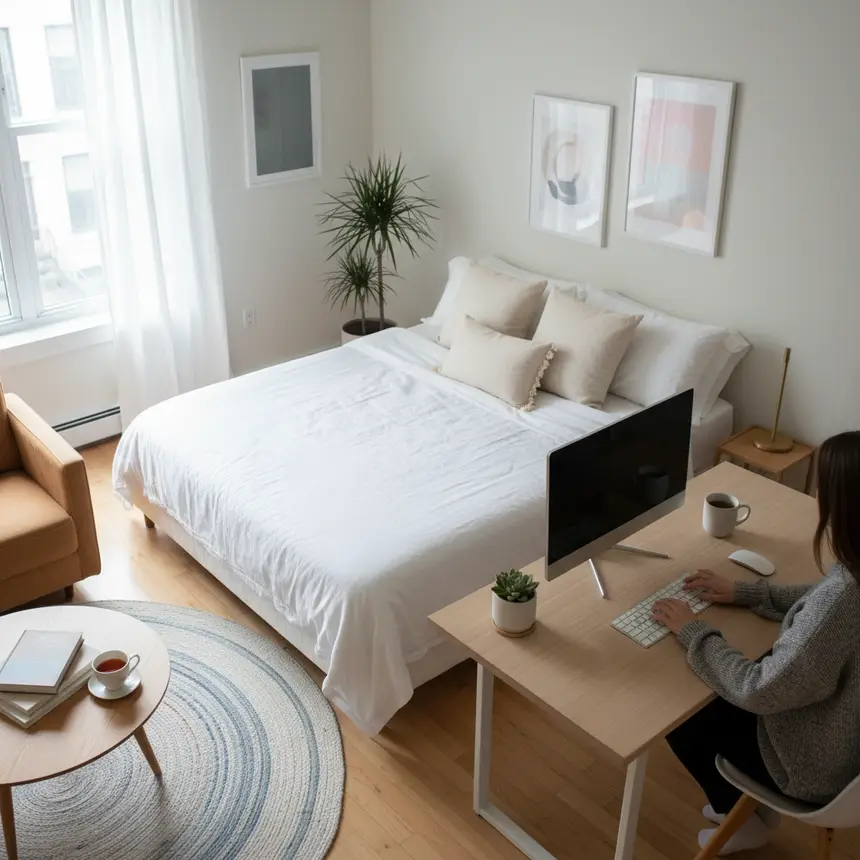
Struggling with an inconsistent daily routine in your solo living journey? Discover practical ways to reclaim your rhythm and build a healthier, more vibrant everyday life. Start with small habits to create your own efficient routine.

H2: The Shadow of Disrupted Routines in Your Personal Space
Embracing solo living brings unparalleled freedom and independence. However, this very freedom can sometimes cast an unexpected shadow, leading to a breakdown in daily routines. Without a fixed schedule, it's easy to fall into a pattern of late nights and late mornings. While this might initially feel liberating, it often results in decreased energy, reduced productivity, and even a cluttered living space. Starting your day in a dim room rather than with the morning sun, constantly postponing tasks, and feeling a general sense of lethargy are common struggles for many living alone. In an environment where you are solely responsible for managing your life, a disrupted rhythm inevitably impacts your overall quality of life. Take a moment to reflect: what does your typical day look like? The journey to change often begins with this simple self-assessment.

H2: Uncovering the Hidden Causes of Your Disrupted Daily Rhythm
The reasons behind a broken solo living routine are often complex and multifaceted. One of the most common culprits is the lack of external structure or a consistent daily schedule. Without work or school dictating your hours, it's natural for wake-up and meal times to become irregular. Excessive digital device use also plays a significant role in disturbing sleep patterns. Staring at phone or computer screens late into the night keeps your brain alert, making it difficult to fall asleep, which in turn leads to oversleeping the next morning. Irregular eating habits are another major factor; skipping meals or relying solely on takeout can destabilize your energy levels, creating a vicious cycle of decreased activity and disturbed sleep. These habits, when combined, gradually erode our daily rhythm, ultimately leading to a complete breakdown of routine. Try keeping a simple activity log for two to three days – noting sleep, meals, work, and leisure. You might discover unexpected triggers contributing to your current imbalance.
※ This post contains affiliate links. I may earn a commission at no extra cost to you.


H2: Building Your Personal Routine to Revitalize Your Life
Restoring a disrupted solo living routine doesn't happen overnight, but consistent effort with small habits can make a significant difference. First, focus on resetting your sleep schedule. Aim to go to bed or wake up just 15 minutes earlier each day, and ensure your bedroom is dark and cool to promote restful sleep. Second, establish a simple morning routine. Opening the windows for fresh air, drinking a glass of lukewarm water, and doing some light stretching immediately after waking up are excellent ways to invigorate your body and mind. Making your bed also provides a small sense of accomplishment to start the day. Third, try to make your meal times as consistent as possible. Preparing a simple breakfast and setting fixed times for lunch and dinner can help stabilize your body's natural rhythms. Finally, dedicate 10 minutes each day to a 'space reset.' This could involve finishing the dishes before bed or tidying up a cluttered desk. Small acts of organization bring peace of mind and motivate you for the next day. These seemingly minor changes, when accumulated, will form the foundation of a stable and healthy solo living experience. The key is to consistently practice even one new habit to build confidence and momentum.
Frequently Asked Questions
Q. Why is it so hard to establish a regular routine when living alone?
A. The lack of external accountability and abundant personal freedom are main factors. It's crucial to self-motivate and manage your time, while excessive screen time and irregular eating also contribute to the difficulty.
Q. What are effective ways to get my sleep pattern back on track?
A. The most important step is to go to bed and wake up at the same time each day. Avoid screens before bedtime and ensure your bedroom is dark, quiet, and cool to promote quality sleep.
Q. Can I create a simple morning routine that fits into a busy solo living schedule?
A. Absolutely! Start with activities that take 10-15 minutes, like opening windows for fresh air, drinking warm water, doing 5 minutes of light stretching, and making your bed.
Q. How does tidying my living space relate to my daily rhythm?
A. An organized space contributes to psychological well-being, which positively impacts your ability to maintain a regular daily routine. Small tidying habits help to cleanly bookend your day.