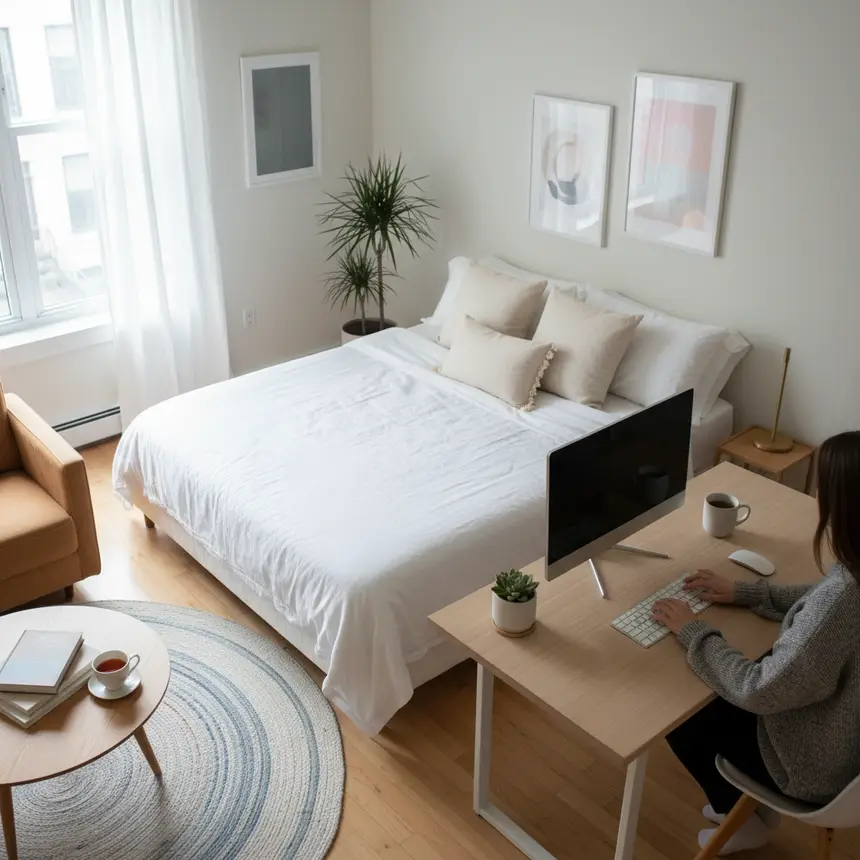
Looking for ways to stay warm and save on heating bills in your apartment this winter? Discover efficient heating habits and space management tips to enjoy a cozy winter without financial strain.

H2. The Winter Dilemma: Staying Cozy vs. Costly Bills in Your Solo Apartment
As winter arrives, a common challenge for those living alone is balancing the desire for a warm home with the looming fear of high utility bills. For individuals particularly sensitive to cold, maintaining a comfortable indoor temperature isn't just about comfort—it's essential for well-being. However, the thought of an expensive heating bill can often lead to reluctance in using heating systems effectively. This financial anxiety can sometimes result in enduring a chilly apartment, which might impact health and overall comfort throughout the colder months. Addressing efficient heating and energy saving in a solo living space is thus crucial, extending beyond mere cost-cutting to ensure a healthy and pleasant home environment.

H2. Unpacking the Causes: Why Your Heating Bills Are So High
Several factors contribute to unexpectedly high heating costs in single-person households. Firstly, inefficient heating habits play a significant role. For instance, completely turning off your heater when you leave and then cranking it up to maximum heat upon return forces your system to work harder, consuming more energy to rapidly bring the temperature back up. Setting the thermostat higher than necessary or using high-wattage heating devices for short periods also leads to energy waste. Secondly, the structural characteristics of your living space can be a major contributor. Small apartments or studios often suffer from drafts through windows or doors, allowing heated air to escape quickly. Inadequate insulation makes it difficult to maintain a consistent indoor temperature, causing your heating system to run continuously in a wasteful cycle. Lastly, busy schedules can lead to neglecting proper heating management. It becomes challenging to constantly adjust temperatures or monitor heating efficiency, making it easy to fall into convenient yet inefficient heating patterns. These combined factors are the primary drivers behind escalating heating expenses.
※ This post contains affiliate links. I may earn a commission at no extra cost to you.


H2. Smart Strategies for Maximizing Heating Efficiency at Home
To boost heating efficiency and reduce energy expenses in your apartment, focusing on a few key principles is vital.
- Maintain a Comfortable, Consistent Temperature: The most crucial step is to keep your indoor temperature steady, ideally between 68-72°F (20-22°C). Modern heating units often feature automatic thermostat controls that maintain your set temperature, preventing unnecessary energy spikes. The goal is to gradually reach your desired temperature and then maintain it, rather than constantly fluctuating.
- Optimize Air Circulation: Warm air naturally rises. Using a ceiling fan on its lowest setting (reverse direction in winter) or a small portable fan can help distribute warm air more evenly throughout the room, making the space feel warmer overall. This allows you to set your thermostat slightly lower while maintaining comfort.
- Manage Indoor Humidity: Dry air from heating can be uncomfortable and make a room feel colder. Aim for indoor humidity levels between 40-60%. Proper humidity makes the air feel warmer at the same temperature and benefits respiratory health. A humidifier or even placing a bowl of water can help achieve this.
- Minimize Heat Loss: Blocking drafts from windows and doors is a fundamental step to improve heating efficiency. Use weatherstripping or window insulation film to seal gaps, and install thick curtains to create an additional barrier against cold air. Also, closing doors to unused rooms helps contain heat in your primary living areas.
- Regular Maintenance: Don't forget to regularly clean the filters of your heating appliances. Clogged filters restrict airflow, reducing heating efficiency and increasing energy consumption.

H2. Navigating Winter: Smart Tips for a Warm and Wallet-Friendly Solo Home
Here are some practical tips to stay warm and cozy in your apartment this winter without breaking the bank:
- Create a Heating Routine: Establish a consistent schedule for your heating. Start heating at specific times, and before leaving, either set the thermostat to a lower temperature or use a timer to have it warm up just before you return. Consistency significantly contributes to energy savings.
- Prioritize Personal Warmth: Even indoors, wearing layers like thermal underwear, warm socks, and using a blanket can make a big difference in maintaining your body temperature. Dressing warmly can allow you to lower your thermostat by 1-2 degrees, directly impacting your heating bill.
- Maximize Natural Sunlight: During the day, open your curtains wide to let natural sunlight stream into your room, utilizing passive solar heating. As the sun begins to set, close your curtains to trap the accumulated warmth inside and prevent heat from escaping.
- Smart Use of Portable Heaters: Consider using a portable heater to provide localized warmth in the specific areas you're occupying. Models with wheels offer easy portability, allowing you to move them between your living room, kitchen, or bedroom as needed, thus reducing the need to heat your entire space. The key is not just the heater's performance but finding efficient usage patterns that suit your lifestyle and space. Implement these tips to enjoy a warm and comfortable winter without financial stress.
Frequently Asked Questions
Q. What's the most effective way to cut heating costs in a small apartment?
A. The most effective strategy is to maintain a consistent indoor temperature between 68-72°F (20-22°C), combined with draft sealing and managing indoor humidity. Rather than turning your heater on and off frequently, maintaining a steady temperature generally uses less energy.
Q. What's the ideal indoor temperature for a small apartment during winter?
A. A comfortable and energy-efficient indoor temperature for winter is generally recommended to be between 68-72°F (20-22°C). This range helps maintain health while optimizing energy use.
Q. How can I prevent the air from getting too dry when using heating?
A. Using a humidifier or placing wet towels around your room can help maintain appropriate indoor humidity levels. Proper humidity makes the air feel warmer at the same temperature and improves overall comfort.
Q. Do curtains help improve heating efficiency?
A. Yes, thick curtains can significantly reduce heat loss through windows. It's effective to open them during the day to let sunlight in and close them at night to trap warmth inside.