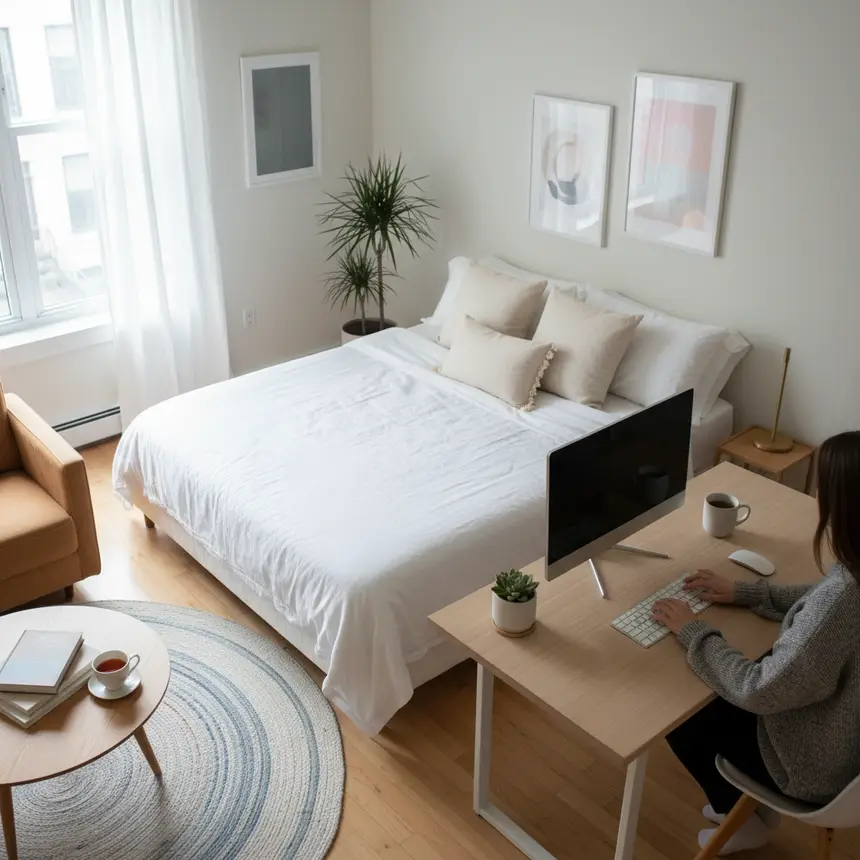
Discover practical tips for reducing your heating costs in your independent living space. Learn effective boiler usage and lifestyle adjustments for a warm, budget-friendly winter.

Navigating Winter Utilities as a Solo Dweller
As winter approaches, many independent living residents face the perennial concern of heating bills. The stories of 'utility bill shock' from friends and neighbors can create significant anxiety. However, with thoughtful heating management and a few simple lifestyle adjustments, it's entirely possible to enjoy a warm winter without overspending. For those sharing their space with pets, maintaining a consistent indoor temperature is often non-negotiable, making efficient heating strategies even more crucial. While it's easy to assume high heating costs are inevitable, adopting a few core principles can lead to a comfortable home and surprising savings. Let's explore practical ways to reduce your heating worries and create a cozy sanctuary.

Strategic Heating System Use for Energy Savings
The most impactful way to cut down on heating costs lies in how intelligently you operate your heating system. A common misconception is that turning off the heater completely when not needed saves money. In reality, allowing your space to cool down entirely often requires more energy and time to reheat it to a comfortable level. A more efficient approach is to utilize a consistent temperature setting or scheduled heating modes. For instance, setting your system to run for 6 hours, four times a day, or using an 'away' mode that maintains a slightly lower temperature when you're out, can be highly effective. An ideal indoor temperature range for comfort and efficiency is typically around 73-75°F (23-24°C). Factors like your apartment's square footage, the building's insulation quality, and even its exposure to elements significantly influence your heating needs and overall utility bill.
※ This post contains affiliate links. I may earn a commission at no extra cost to you.


Cultivating Habits for an Efficiently Heated Home
Beyond smart heating system usage, integrating certain daily habits can significantly contribute to lowering your heating expenses. A primary step is to minimize drafts from windows and doors by using thick curtains or specialized draft stoppers, which effectively reduce heat loss. If you're considering supplemental heating devices, it's wise to use them sparingly and strategically for specific areas or personal warmth, rather than attempting to heat an entire room. For example, a small heater under a desk or next to a couch for short periods can be very effective. Additionally, regular checks of your heating system ensure it operates at peak efficiency. Maintaining proper indoor humidity levels can also make a room feel warmer at the same temperature, so consider using a humidifier or placing damp towels. These small, consistent efforts collectively maximize your winter heating efficiency.

Embracing a Cozy and Cost-Effective Independent Winter
Maintaining a warm and pleasant personal space without the burden of high heating bills is a vital aspect of independent living during the colder months. By applying the insights we've discussed, you can tailor a heating management plan that fits your specific living situation and daily routine. From optimizing your heating system's schedule to maintaining ideal indoor temperatures, and implementing simple measures like using weatherstripping or thick curtains, every effort contributes to a more affordable and comfortable winter. This journey isn't just about saving money; it's about fostering a sustainable lifestyle that creates a healthier, cozier home environment. This winter, aim to banish heating bill stress and embrace genuine warmth and relaxation in your independent space. Start making those small changes today for a more comfortable season.
Frequently Asked Questions
Q. Is it better to turn off my heating completely when I leave, or keep it on low?
A. Generally, it's more energy-efficient to maintain a lower, consistent temperature rather than letting your home get very cold and then reheating it from scratch. This prevents your heating system from working harder to drastically change the temperature.
Q. What's an ideal temperature to set my thermostat for comfort and savings?
A. Many find a range between 70-75°F (21-24°C) comfortable. For optimal savings, aim for the lower end of this range and consider dropping it a few degrees when you're away or asleep, as long as it doesn't compromise comfort or health.
Q. My apartment feels drafty. How can I improve its warmth without major renovations?
A. Simple fixes include sealing gaps around windows and doors with weatherstripping or caulk, using thick curtains or thermal blinds, and placing draft stoppers at the base of doors. These can significantly reduce heat loss.
Q. How do pets affect my heating strategy?
A. Pets often require a consistently warm environment for their health and comfort, especially if they are hairless, very young, or elderly. You might need to maintain your thermostat slightly higher than if you lived alone, but combining this with insulation and smart scheduling can still save energy.