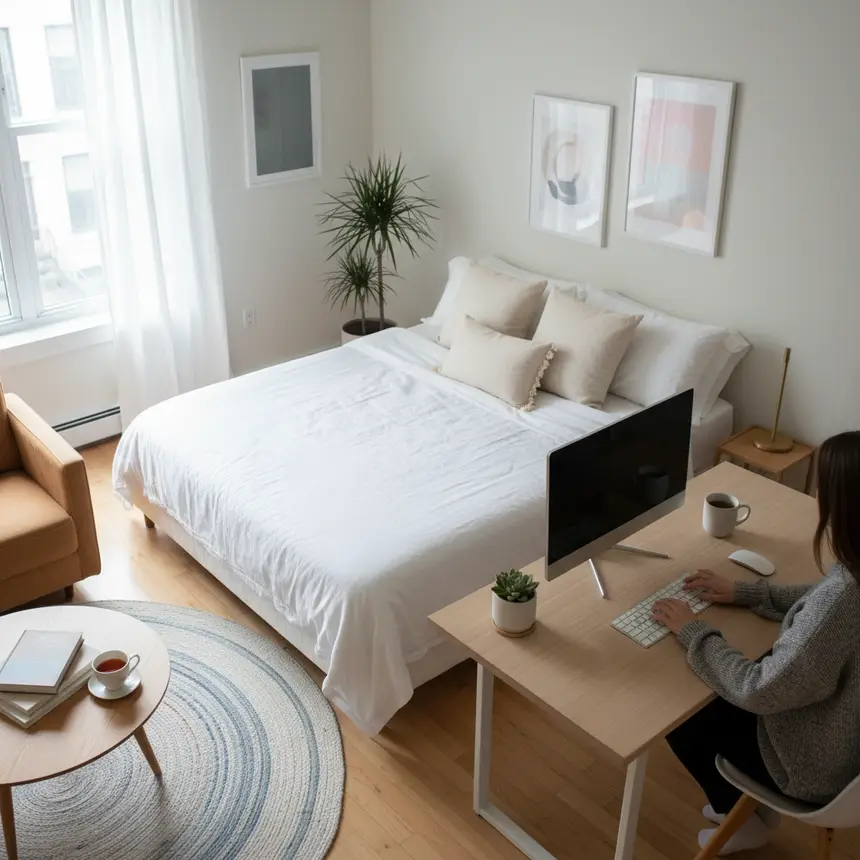
Don't let a hectic solo life compromise your meals. Discover smart, time-saving meal solutions and efficient meal management tips to cultivate a more relaxed single living experience. Learn how to balance nutrition and taste without complex cooking – start your smart eating habits today.

Kicking Off Smart Solo Meal Management
For anyone navigating the world of solo living, meal preparation often feels like a constant uphill battle. Frequent takeout can drain your wallet, while cooking from scratch demands time and effort you might not have. Ingredients often go to waste, and repetitive meals quickly lead to boredom. But there's good news! Efficient meal management isn't just about feeding yourself; it's a vital habit that can significantly boost your quality of life. Today, we're diving into time-saving easy meal solutions and smart strategies for managing your diet, even on your busiest days. Let's start this journey together to add more vitality to your independent life, beginning with your meals.

Why Meal Prep Feels So Overwhelming
There are several reasons why preparing meals can feel particularly burdensome when living alone. First, after a long day, the energy required for grocery shopping, ingredient prep, and actual cooking can be immense. Second, it's often hard to buy small quantities of ingredients, leading to food waste when leftovers spoil. Third, a lack of cooking experience or confidence can make even stepping into the kitchen daunting. These factors not only complicate maintaining a healthy diet but can also disrupt balanced nutrition, negatively impacting your overall daily rhythm. Reducing the burden of meal preparation is key to enhancing satisfaction in solo living.
※ This post contains affiliate links. I may earn a commission at no extra cost to you.


Smart Solo Eating: Embracing Convenience Wisely
Even with a busy solo lifestyle, there are clever ways to maintain a balanced diet. First, simplify your cooking tools to cut down on dishwashing. Maximizing multi-functional appliances like microwaves or air fryers allows you to create various dishes without complex steps. Second, master storage techniques to keep ingredients fresh longer. Portion leftover vegetables or meat into single servings and freeze them; this preserves freshness and makes them readily available. Third, wisely utilize commercially available convenience foods or semi-prepared meals. The key is to quickly assemble a meal with minimal cooking, then boost its nutritional value by adding fresh vegetables or protein sources (like eggs or tofu). These small efforts significantly contribute to sustainable healthy eating habits.

Your Weekly Meal Plan: Simplified for Solo Living
A structured weekly meal plan is a crucial habit for enhancing efficiency in solo living. Start by outlining the general framework of your meals for the week. For instance, you might focus on quick and easy options during weekdays, reserving weekends for simple cooking experiments or dining out to balance things. Create a grocery list based on your plan, and leverage online shopping to save time and effort. On weekends, when you have more time, pre-chop vegetables or cook rice and portion it out. This kind of advance preparation makes it easy to put together a meal on a tired weekday evening, reducing reliance on skipped meals or instant foods. Planning your meals thoughtfully brings a sense of calm and control to your life.

Cultivating a Balanced Life, One Meal at a Time
In solo living, meal management transcends mere hunger satisfaction. Smart meal preparation habits help cut unnecessary dining-out expenses and prevent food waste, saving you money. Furthermore, balanced nutrition not only supports physical health but also invigorates mental well-being. When daily meals become predictable and convenient, you gain extra time to dedicate to personal growth or relaxation. Small efforts towards a healthy table accumulate, ultimately creating a more fulfilling and abundant solo life. Start managing your meals in your own unique way today, and set yourself on the path to a more relaxed and vibrant everyday existence.
Frequently Asked Questions
Q. How can I maintain nutrition when I'm constantly busy?
A. Boost the nutritional value of convenience foods or semi-prepared meals by adding frozen vegetables, hard-boiled eggs, tofu, or canned tuna. Even one or two fresh ingredients can significantly improve your meal quality.
Q. What are some tips for single dwellers to keep groceries fresh longer?
A. As soon as you buy groceries, portion them into single servings and store them in airtight containers or zip-top bags in the fridge or freezer. For vegetables, it's often best to store them unwashed, wrapped in a paper towel, inside a container.
Q. What are easy meal preparation methods for beginner cooks living alone?
A. Learn to use your microwave and air fryer effectively, and don't hesitate to use pre-made sauces. One-bowl meals like fried rice, bibimbap, or rice bowls are relatively simple to make and allow you to incorporate various ingredients at once.
Q. How can I diversify my meals beyond the same old convenient options?
A. You can add variety to convenience foods with small changes. For example, use different types of vegetables with the same protein, swap rice for pasta or bread, or try making your own sauces to introduce new flavors.
Q. Any advice for eating well on a budget while living independently?
A. Plan your weekly meals to avoid impulse purchases, and portion out bulk-bought ingredients to prevent waste. Take advantage of seasonal produce, which is often cheaper and fresher, and look for discounts when online grocery shopping.