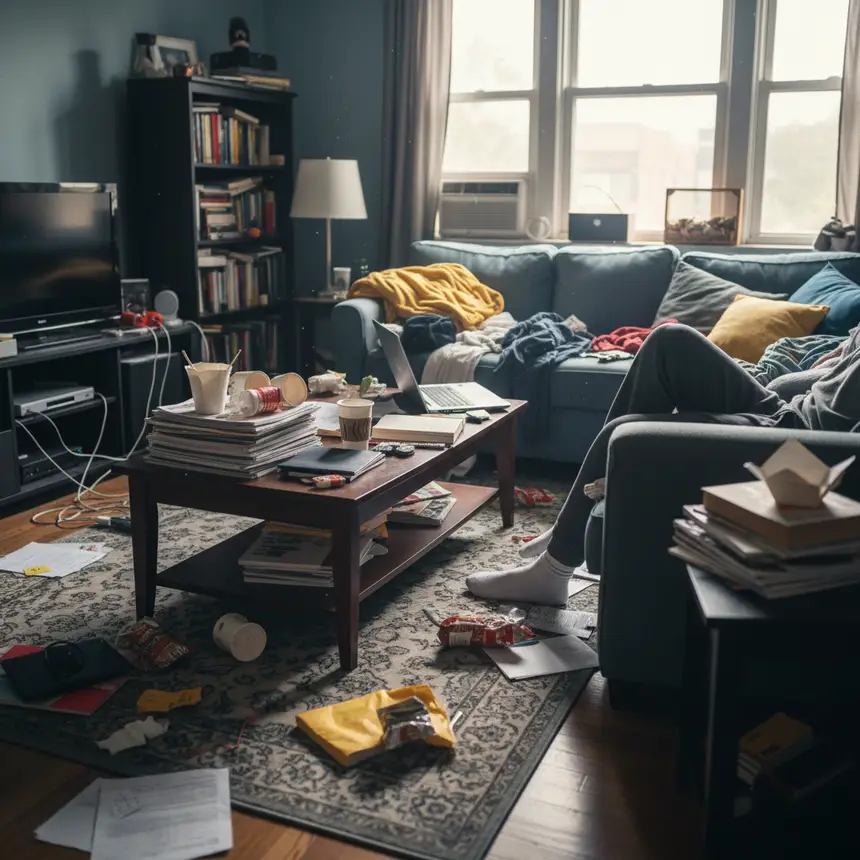
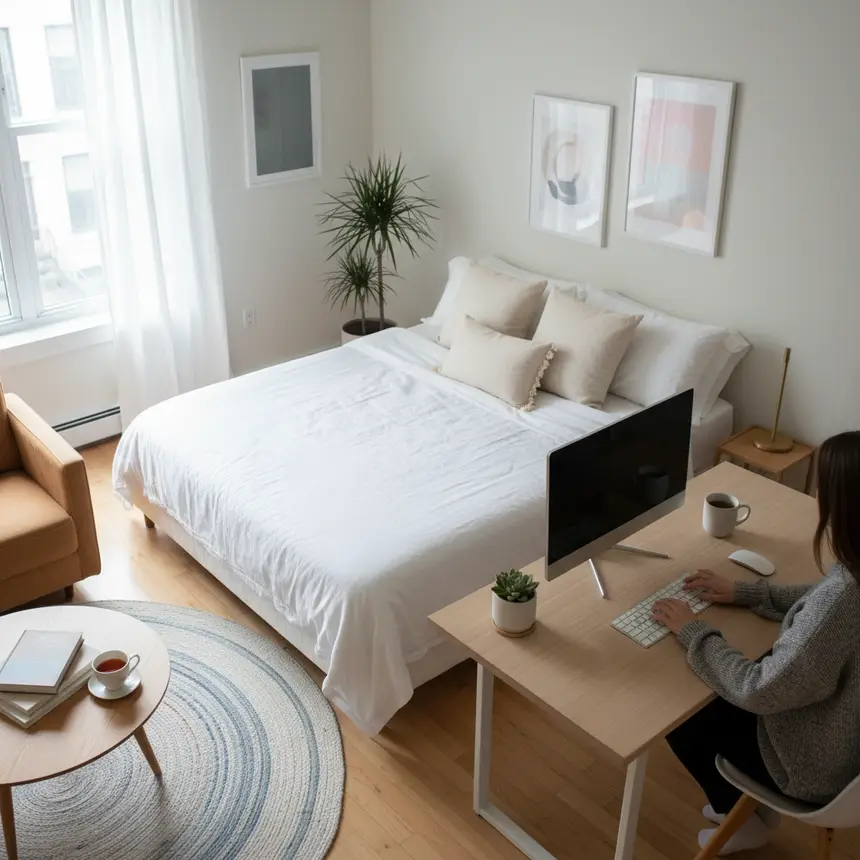
Wall damage around your computer desk is a common concern for independent dwellers. This article shares practical strategies for keeping your walls clean and maintaining a pleasant living space. Discover how small habit changes can make a big difference.

Is Your Home Office Wall Bearing the Brunt of Your Daily Grind?
For those navigating independent living, a computer desk frequently serves multiple purposes—it's a workstation, a dining spot, and often a creative hub. Spending extensive periods seated can naturally lead to shifts in posture. It's common to find yourself unconsciously resting your feet against the wall or accidentally bumping it with your chair. Does this routine sound familiar, culminating in smudges and scuffs on what was once a pristine wall? Over time, these minor damages can accumulate, leaving behind dark marks and scratches. Safeguarding the walls around your desk is a shared concern for many in independent living situations, particularly as these marks become more pronounced in smaller areas, potentially diminishing the overall appeal of your home.

Understanding Wall Wear: Common Causes and Why Prevention Matters
Walls in a solo living space can suffer damage from various sources. A frequent culprit is the consistent friction of a computer chair’s wheels against the wall, or the unconscious habit of resting feet on the wall while seated. Other prevalent scenarios include inadvertent bumps from furniture during cleaning or continuous friction from items stored too close to the wall. These seemingly minor habits and oversights can collectively lead to discolored and damaged wallpaper or paint. For renters, this can translate into unexpected repair costs when moving out. Therefore, being proactive about protecting your walls isn't solely about maintaining a clean aesthetic; it's a shrewd move to prevent potential financial penalties down the line. It's an integral part of smart home management.
※ This post contains affiliate links. I may earn a commission at no extra cost to you.


Simple Steps for Wall Preservation: Start Your Routine Today
You no longer need to stress over unsightly wall marks. A few straightforward and practical methods can effectively safeguard your walls and maintain a pleasant living environment.
- 1. Apply Protective Films or Sheets: Consider adhesive transparent films, decorative contact paper, or specialized wall protection sheets. These create a physical barrier against scuffs and impacts. It’s particularly effective to apply them generously to the lower sections of the wall where feet frequently touch or chair wheels scrape. These are generally easy to install, making them a feasible DIY project for any independent resident.
- 2. Optimize Furniture Placement and Habits: Ensure there’s adequate space between your desk and the wall, or adjust your desk's position so your chair doesn’t directly hit the surface. If you tend to lean your feet against the wall, a small footrest can provide a comfortable alternative, redirecting your feet away from the wall.
- 3. Declutter and Utilize Vertical Storage: Keep small organizers or drawers near your desk for frequently used items. This helps reduce the tendency to lean items against the wall or create clutter that can cause friction. Opt for wall-mounted shelves or vertical storage units instead of stacking things against the wall.

Cultivating a Comfortable Living Space Through Small Acts of Care
Independent living offers immense freedom and convenience, but it also brings its share of home maintenance challenges. Damage to the walls around your desk, often the heart of your living area, can detract from the overall ambiance, extending beyond mere aesthetics. However, as we’ve explored today, many of these concerns can be significantly eased with a few simple efforts and changes in routine. Paying a little attention to your walls is the first step toward creating a cozy and organized personal sanctuary. Why not take a moment to assess your desk area and devote some time to nurturing your cherished living space? Small actions often lead to immense satisfaction.
Frequently Asked Questions
Q. Are there alternatives to protective films for wall defense?
A. Yes, beyond transparent films, you could install small panels or thin cork boards on the wall. Placing a low storage unit or a decorative rug in the area where feet usually rest can also effectively mitigate wall damage.
Q. What should I do if my wall is already marked or dirty?
A. For minor smudges, a gentle wipe with a soft cloth dampened with mild detergent might work. However, for significant dirt or damage, professional help might be necessary. Always consider the wall's material, as cleaning methods can vary.
Q. Can maintaining good posture really help protect my walls?
A. Absolutely. Good posture while using your computer benefits not only your walls but also your health. Try to reduce the habit of leaning your feet against the wall and focus on using your chair's backrest for stable support.
Q. Any tips for arranging furniture to minimize wall damage?
A. It's advisable not to push your desk too close to the wall; allow a slight gap. When using a computer chair, consider its range of motion to prevent wheels from hitting the wall directly. Attaching small protective pads to the back of your chair can also be an effective measure.