Worried about winter gas bills? Discover practical tips for solo dwellers to stay warm and save on heating costs. From efficient thermostat use to everyday insulation hacks, learn how to navigate winter economically.

H2: The Annual Winter Dilemma: Staying Warm on a Budget
As winter's chill sets in, many of us living solo dread the arrival of our utility bills. The common refrain is, 'Why is my heating bill so high for such a small space?' It's a valid concern, especially when friends share stories of gas bills soaring to $150-$180. I distinctly remember feeling a pang of anxiety last winter, bracing myself for a similar shock. Yet, to my pleasant surprise, my gas bill landed in the manageable $60-$70 range, allowing me to enjoy a cozy winter without financial stress. What was the secret to keeping my space warm without the hefty price tag?
H2: Unmasking the Culprits: Why Your Home Might Be Losing Heat
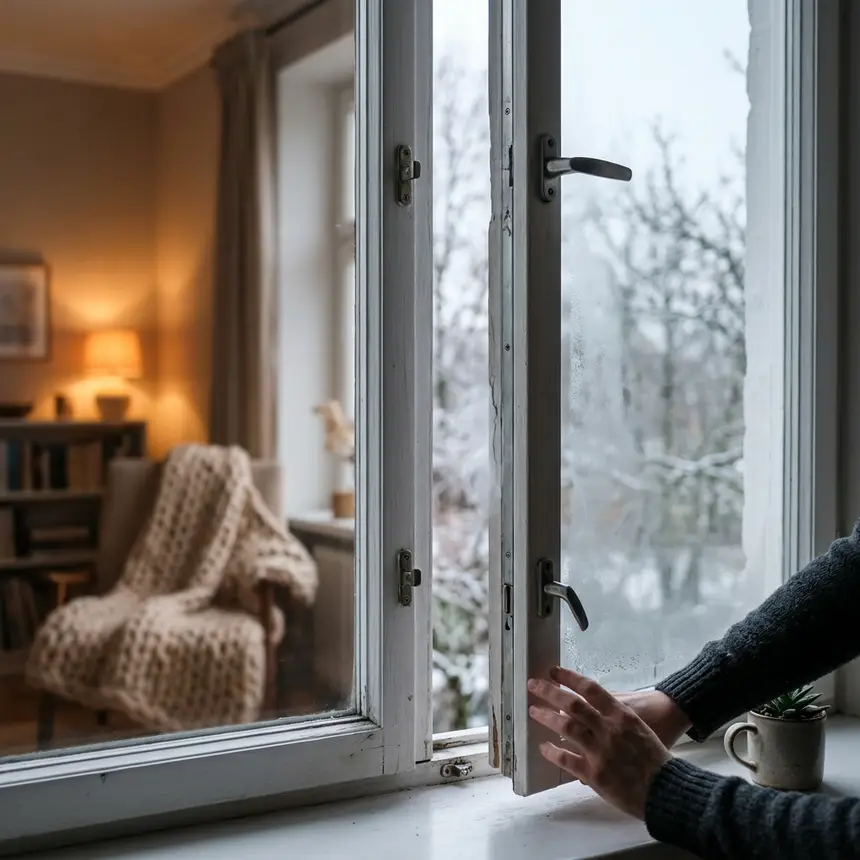
Several factors can contribute to inefficient heating in your home. The primary culprit is often heat loss. Drafts sneaking in through old window seals, insufficient wall insulation, or even unnoticed gaps around doors can rapidly deplete your indoor warmth. Your location also plays a significant role; apartments in suburban areas or higher elevations might experience colder temperatures and, consequently, higher heating costs compared to urban dwellings of similar size. For pet owners, maintaining a consistent, warm indoor temperature for the well-being of furry companions adds another layer to the heating dilemma. Striking the right balance between comfort, pet care, and cost-efficiency is a common challenge for those living alone.
※ This post contains affiliate links. I may earn a commission at no extra cost to you.

H2: Mastering Your Thermostat: Smart Habits for Optimal Warmth
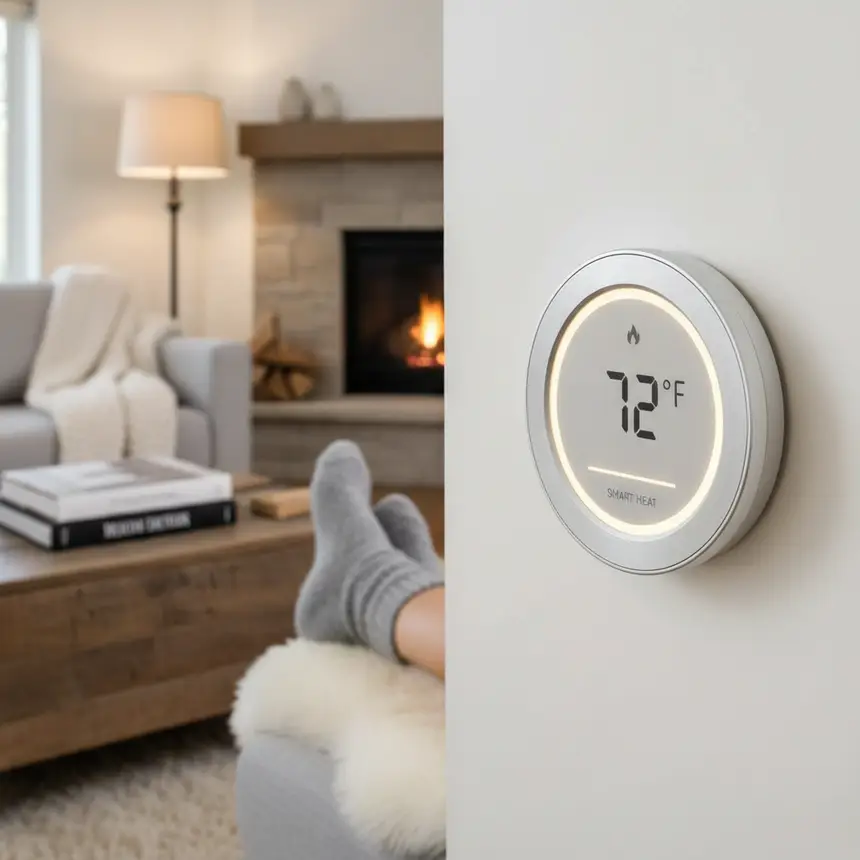
The key to a warm yet economical winter lies in maintaining a consistent indoor temperature and smart boiler usage. Many believe turning off the heating completely when leaving or overnight saves money. However, this often leads to the space becoming too cold, requiring significantly more energy to reheat from scratch. Considering that natural gas typically costs around $0.02 per MJ, sporadic heating can negate any perceived savings.
- Setting the Sweet Spot: Aim for an indoor temperature between 73-75°F (23-24°C). This range is generally comfortable and energy-efficient. Overheating your space leads to unnecessary energy consumption.
- Embrace Scheduled Heating: Instead of fully shutting down your heating system, utilize its scheduling features. Set it to run at regular intervals, preventing drastic temperature drops. For instance, running it for 6 hours, four times a day, or even shorter bursts like 4 hours, six times a day, can maintain warmth more efficiently than cycling it on and off. This keeps the ambient temperature stable.
- Insulation Boost: Install insulating film or thick curtains on windows. Seal gaps around doors and windows with weatherstripping. Even minor draft-proofing can raise your indoor temperature by a few degrees, significantly impacting comfort and cost.
H2: Crafting Your Winter Routine: Actionable Steps for Energy Savings
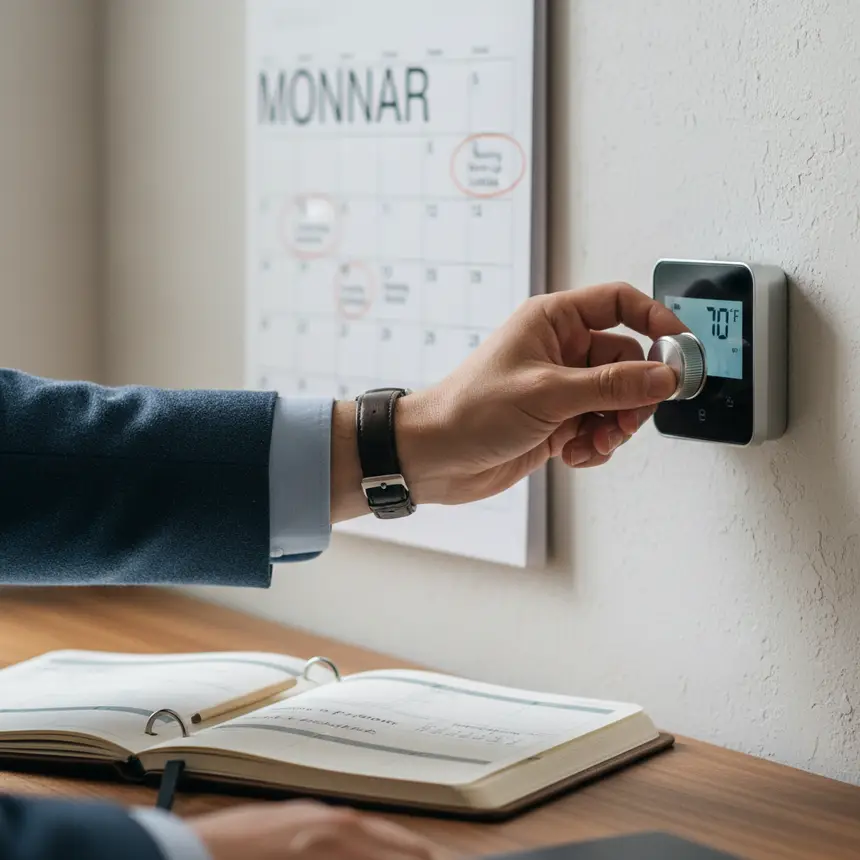
Reducing your heating bill effectively involves integrating specific energy-saving habits into your daily life. It's more than just tweaking thermostat settings; it's about establishing a consistent routine that maximizes efficiency.
1. Optimize Your Heating Schedule: Fine-tune your heating schedule to align with your daily patterns—weekdays versus weekends, times you are home versus out. While you can lower the temperature or use a 'away' mode when out, avoid turning it off for extended periods.
2. Regularly Monitor Gas Usage: Make it a habit to check your gas meter readings or use your utility provider's app to track real-time consumption. Understanding your usage patterns is the first step toward saving. Aiming to keep your monthly bill under $90 can be a great motivator.
3. Strategic Zone Heating: Supplement whole-room heating with personal heating devices like electric blankets or heated mattress pads for specific areas like your bed. This allows you to keep the overall thermostat setting slightly lower. Always ensure you're using safe, certified products and avoid overuse. Combining these with your main heating system can create a comfortably warm environment without excessive costs.
1. Optimize Your Heating Schedule: Fine-tune your heating schedule to align with your daily patterns—weekdays versus weekends, times you are home versus out. While you can lower the temperature or use a 'away' mode when out, avoid turning it off for extended periods.
2. Regularly Monitor Gas Usage: Make it a habit to check your gas meter readings or use your utility provider's app to track real-time consumption. Understanding your usage patterns is the first step toward saving. Aiming to keep your monthly bill under $90 can be a great motivator.
3. Strategic Zone Heating: Supplement whole-room heating with personal heating devices like electric blankets or heated mattress pads for specific areas like your bed. This allows you to keep the overall thermostat setting slightly lower. Always ensure you're using safe, certified products and avoid overuse. Combining these with your main heating system can create a comfortably warm environment without excessive costs.
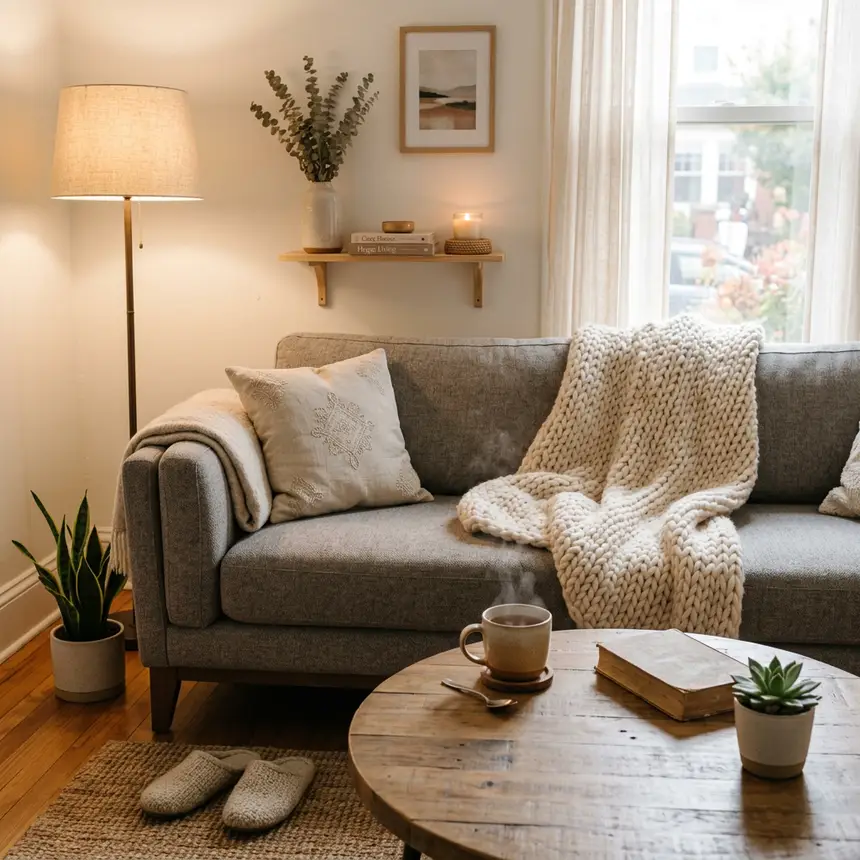
H2: A Cozy, Budget-Friendly Winter: Smart Choices for Solo Living
Winter heating costs can feel like a heavy burden for those living alone, but with a bit of attention and consistent management, you can comfortably enjoy the season without overspending. By implementing these heating management strategies, you can transform your living space into a warmer, more economical sanctuary. Smart boiler usage, maintaining optimal indoor temperatures, and small daily insulation habits will collectively lead to significant savings. This winter, let go of heating bill worries and embrace a warm, comfortable home. Take the first step today by re-evaluating your heating habits and preparing for an efficient, cozy season!
Frequently Asked Questions
Q. Is it better to turn off my heating completely when I leave the apartment to save money?
A. No, it's generally more effective to use an 'away' mode or scheduled heating to prevent your indoor temperature from dropping too drastically. Reheating a completely cold home requires more energy than maintaining a slightly lower but consistent temperature.
Q. What's the ideal indoor temperature to set for comfort and efficiency in winter?
A. For both health and heating efficiency, a range of 68-75°F (20-24°C) is generally recommended. Adjust based on your personal comfort, but avoid setting it excessively high to prevent unnecessary energy waste.
Q. What's the simplest way to start saving on heating bills?
A. Sealing drafts around windows and doors with weatherstripping or caulk is one of the easiest and most immediate ways to see results. Also, using thick curtains to block cold at night and open to let in sunlight during the day helps reduce heat loss.
Q. How is my natural gas bill calculated?
A. Your natural gas bill is primarily calculated by multiplying the amount of energy (in MJ or therms) you've used by the per-unit rate. There might also be a basic service charge. Unit rates can vary by region and season.
Q. Any tips for saving on heating when living with pets?
A. Maintaining a consistent indoor temperature (often 72-75°F) is crucial for pet health. Consider using localized heating (like a heated pet bed) for your pet's favorite spots, allowing you to set the overall thermostat slightly lower. Prioritize insulation to prevent unnecessary heat loss, ensuring a warm environment for everyone.