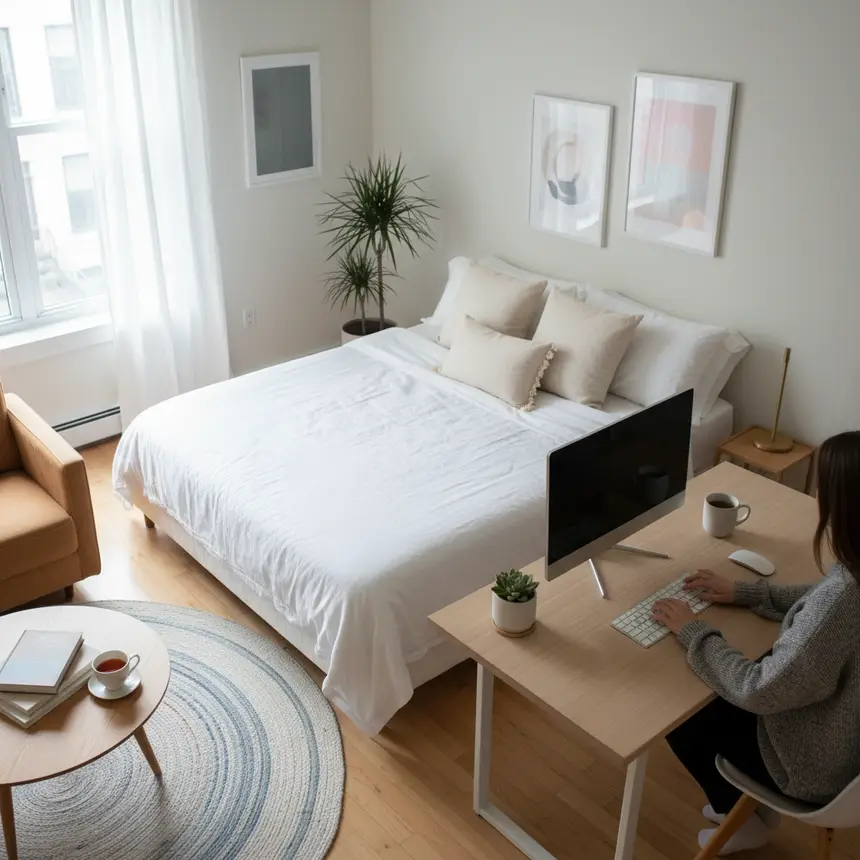
Struggling with studio apartment management? Discover practical tips to efficiently organize your space and create a comfortable living environment. Transform your home with small habit changes.

H2. Why Does My Living Space Always Feel Disorganized?
The dream of having a cozy, personal sanctuary often clashes with the reality of a perpetually messy studio apartment. It’s a common scenario: you drag yourself home after a long day, only to be greeted by piles of clothes, unwashed dishes, and general clutter. This disarray can make your small living space feel even smaller, turning what should be a peaceful retreat into a source of stress. The thought of tackling it all can be so overwhelming that you end up doing nothing, perpetuating a cycle of discomfort. This isn't just about aesthetics; a disorganized home can hinder relaxation, waste time searching for items, and even subtly affect your mood and overall well-being. It's a universal struggle for many living independently.
H2. Unpacking the Roots of Clutter: Habits, Space, and Time
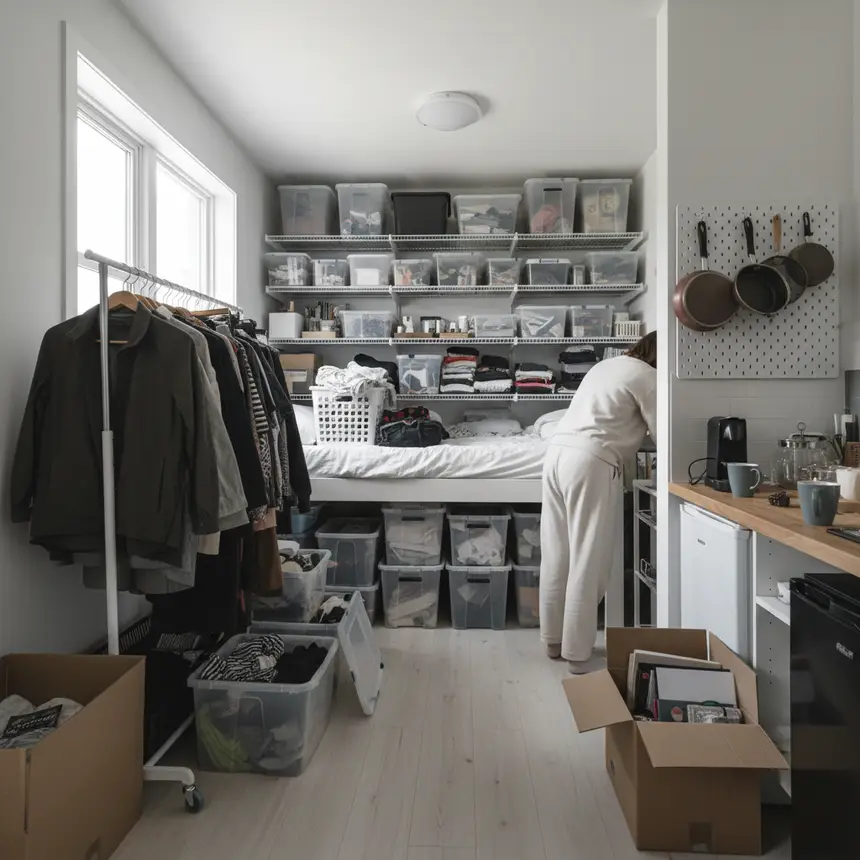
Persistent disorganization in a studio apartment usually stems from a few key factors. Firstly, a lack of established routines plays a significant role. If items aren't returned to their designated spots after use, clutter can accumulate rapidly, much like mindlessly adding items to an online shopping cart without a clear purpose. Secondly, there's often a misunderstanding of how to optimize small spaces. Simply acquiring more items without a strategy for efficient storage quickly overwhelms the area, resembling buying products without comparing their utility or fit for your needs. Lastly, ineffective time management contributes to the problem. Procrastinating tasks with the thought of 'I'll do it all later' often leads to an unmanageable mess. Without a clear plan or the willingness to explore different organizational methods, people often stick to inconvenient routines, creating a vicious cycle of disarray.
※ This post contains affiliate links. I may earn a commission at no extra cost to you.

H2. Actionable Strategies for an Efficient Studio Apartment
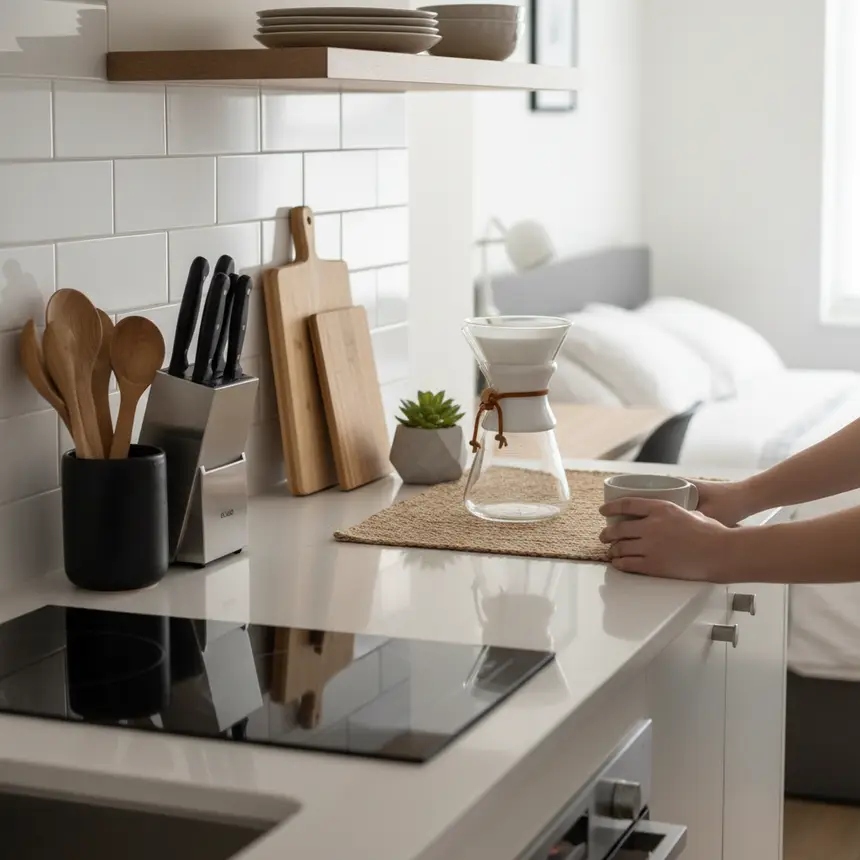
Transforming your studio into a functional and serene space is entirely achievable with a few thoughtful strategies. Effective home management isn't about perfection, but about smart, consistent effort.
- First, define your goals clearly. Instead of a vague 'clean my room,' aim for specific tasks like 'organize the space around my bed' or 'declutter the kitchen counter.' Just as you'd use precise keywords to find a specific product online, detail exactly what you want your space to look and feel like.
- Second, explore and compare different methods. Don't limit yourself to one approach. Research various storage hacks and cleaning techniques. Browse blogs, watch videos, and learn from others' experiences with small spaces. This is akin to comparing different products or stores to find the best fit and value for your needs.
- Third, prepare and schedule strategically. Break down larger tasks into smaller, manageable chunks and assign them to specific days or times. Gather any necessary cleaning supplies or organizational tools beforehand. For instance, dedicate 10 minutes each evening to 'clear one drawer' or use a block of weekend time for 'preparing and executing a bathroom clean.' This methodical approach, similar to carefully curating your online shopping cart before checkout, prevents impulsivity and makes the entire process more manageable and enjoyable.
H2. Small Actions, Big Impact: Embracing a Balanced Living Experience
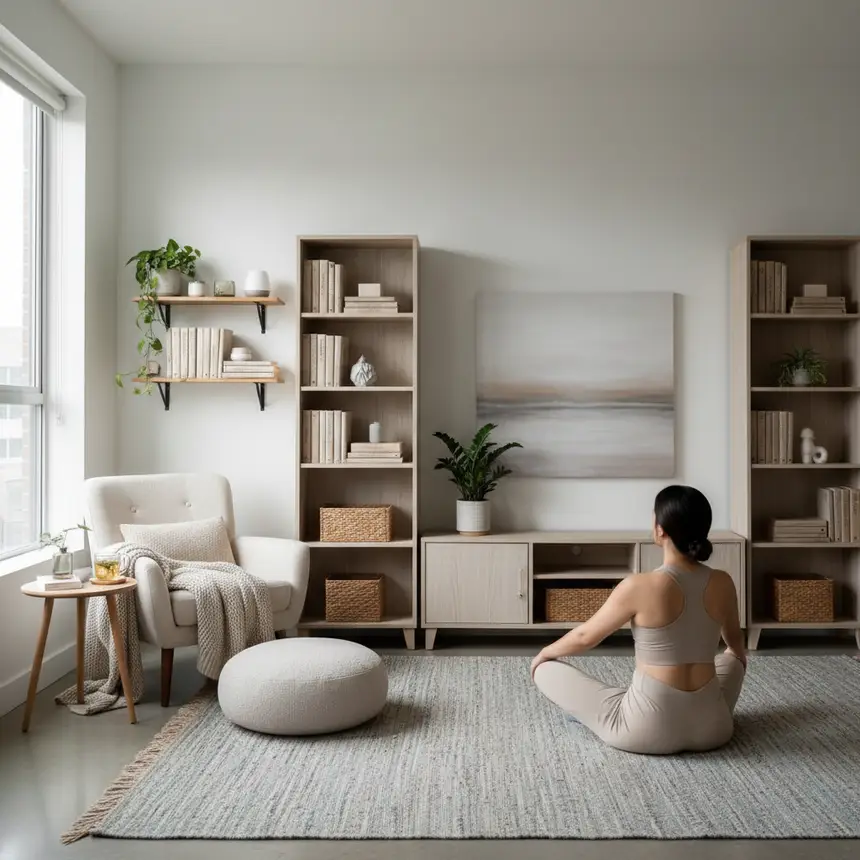
Managing your studio apartment isn't a one-time deep clean, but a continuous journey of mindful attention and small actions. As you experiment with new organizational methods and discover layouts that enhance your daily flow, you might find unexpected joy – much like the satisfaction of discovering a unique item online that perfectly matches your style. Here are a few practical tips to cultivate a consistently tidy and peaceful living environment:
- The 5-Minute Tidy Habit: Dedicate just five minutes each day, perhaps before bed, to tidying up. Putting things back in their place and clearing surfaces can make a huge difference.
- The 'One In, One Out' Rule: When you bring something new into your home, consider removing an existing item. This prevents accumulation and keeps clutter at bay.
- Maximize Vertical Space: In smaller areas, utilizing vertical space is crucial. Invest in wall shelves, over-the-door organizers, or tall bookcases to free up floor space.
- Establish a Personal Routine: Create a regular schedule for specific cleaning and organizing tasks. Whether it’s tackling the bathroom every Wednesday or decluttering your desk every Sunday, consistency makes maintenance far less daunting.
Frequently Asked Questions
Q. My studio is tiny; what are the most effective ways to organize it?
A. For small spaces, 'maximizing vertical space' is key. Focus on securing floor space by using wall-mounted shelves, over-the-door organizers, and under-bed storage. Also, consider multi-functional furniture or adopting a minimalist approach to reduce the sheer number of items you own.
Q. I often start organizing but quickly give up. How can I stay consistent?
A. The secret is to 'start small and be consistent.' Set tiny, achievable goals, like organizing one drawer for 5 minutes a day or washing dishes immediately after a meal. Small successes build momentum and motivation, gradually turning these actions into lasting habits.
Q. How should I choose the right tools for cleaning and organizing?
A. First, assess your current belongings and identify what kind of storage each area needs. Then, select versatile cleaning tools or modular storage solutions that fit your lifestyle and space. Instead of buying many tools at once, start with essentials and add more as needed.
Q. I find it hard to get rid of items. Any tips for decluttering?
A. If sentimental attachment makes decluttering difficult, try adopting a rule like 'if I haven't used it in a year, I'll donate or discard it.' Also, ask yourself objective questions: 'Is this truly useful?' or 'Does this item bring me genuine joy?' Experiencing the satisfaction of a clutter-free space often makes future decluttering easier.