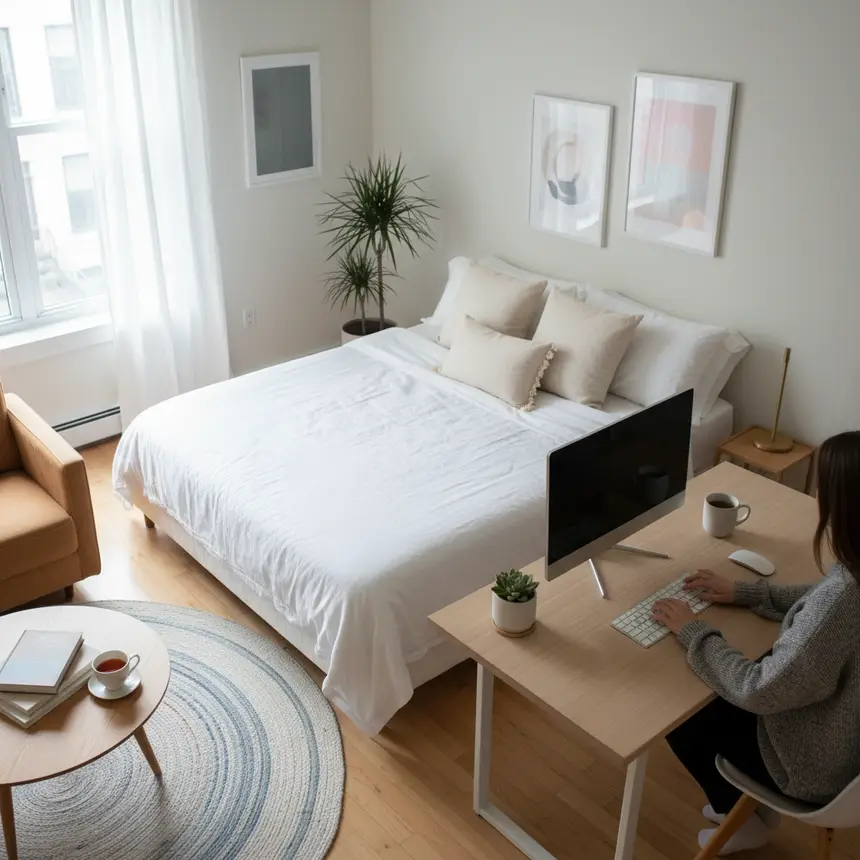
A practical guide to studio apartment decor for first-time renters. Discover how to efficiently utilize space, strategize furniture placement to make your small apartment comfortable, and learn storage solutions and budget tips to create your cozy home.

Your Studio Apartment: More Than Just a Place to Sleep
For many embarking on their first solo living adventure, the dream is to create a personal sanctuary – a comfortable and aesthetically pleasing space. However, the reality of a small studio or efficiency apartment can quickly feel overwhelming. For first-time renters, studio apartment decor isn't just about picking out pretty items; it's a strategic challenge of maximizing limited space and maintaining order. A cluttered environment can disrupt your peace, turning your supposed haven into a source of stress. To craft a home that truly supports your daily routine, a thoughtful approach from the outset is crucial. Rather than simply filling it with trendy pieces, begin by understanding your lifestyle and the unique characteristics of your living area.
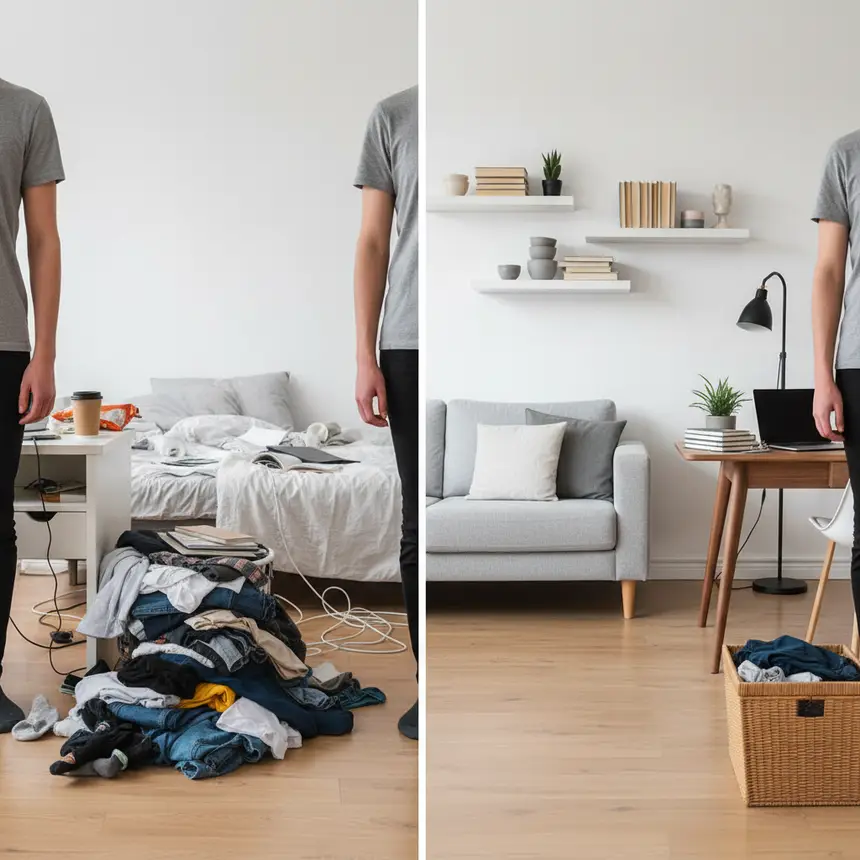
Unpacking the Clutter: Common Pitfalls and Practical Fixes
That feeling of a cramped or perpetually messy studio often stems from a few common culprits. Pinpointing these core issues is the first step toward crafting an efficient studio apartment decor plan.
1. Overlooking Spatial Layout: Many tenants skip the critical step of truly understanding their apartment's dimensions, outlet locations, or even door swing directions before bringing in furniture. For instance, lacking an outlet near your bed can make phone charging a hassle, or a misaligned piece of furniture might obstruct a doorway, disrupting natural flow. - Before any major purchases, grab a tape measure. Sketch a simple floor plan, noting dimensions, windows, and permanent fixtures. This visual guide is invaluable for planning furniture placement.
2. Ignoring Vertical Storage: Studio apartments, by nature, have limited floor space. Yet, countless opportunities to utilize vertical space—walls, the area above doors, or even the full height of a closet—go untapped. Stacking items horizontally quickly consumes precious real estate. - Embrace vertical solutions like slim shelving units, wall-mounted organizers, or over-the-door caddies. Think upwards to free up valuable floor and counter space.
3. Opting for Bulky Furniture: Given the often transient nature of renting and compact living areas, choosing oversized furniture can lead to logistical headaches during moves and make your space feel smaller. - Prioritize versatile and modular pieces. Consider foldable tables, stackable chairs, or even beds with integrated storage. These items adapt to your needs and can be easily moved or reconfigured.
4. Under-evaluating Existing Furnishings: Even in "fully furnished" units, the existing items might not be the best fit for your needs or taste. Neglecting to assess their condition, size, or placement before adding your own can lead to redundancy and clutter. - Before you buy anything, take stock of what's provided. Measure it, assess its condition, and visualize how it integrates with your planned layout. You might find you need less than you think.
5. Unrealistic Budgeting: Falling for perfectly styled Pinterest boards without a solid budget can quickly lead to financial strain and buyer's remorse. Instead of aiming for an instant, perfect setup, focus on practicality and phased implementation. - Create a clear budget, prioritizing essential furniture first. Then, gradually add decorative elements. This phased approach helps spread costs and ensures each purchase is thoughtful.
1. Overlooking Spatial Layout: Many tenants skip the critical step of truly understanding their apartment's dimensions, outlet locations, or even door swing directions before bringing in furniture. For instance, lacking an outlet near your bed can make phone charging a hassle, or a misaligned piece of furniture might obstruct a doorway, disrupting natural flow. - Before any major purchases, grab a tape measure. Sketch a simple floor plan, noting dimensions, windows, and permanent fixtures. This visual guide is invaluable for planning furniture placement.
2. Ignoring Vertical Storage: Studio apartments, by nature, have limited floor space. Yet, countless opportunities to utilize vertical space—walls, the area above doors, or even the full height of a closet—go untapped. Stacking items horizontally quickly consumes precious real estate. - Embrace vertical solutions like slim shelving units, wall-mounted organizers, or over-the-door caddies. Think upwards to free up valuable floor and counter space.
3. Opting for Bulky Furniture: Given the often transient nature of renting and compact living areas, choosing oversized furniture can lead to logistical headaches during moves and make your space feel smaller. - Prioritize versatile and modular pieces. Consider foldable tables, stackable chairs, or even beds with integrated storage. These items adapt to your needs and can be easily moved or reconfigured.
4. Under-evaluating Existing Furnishings: Even in "fully furnished" units, the existing items might not be the best fit for your needs or taste. Neglecting to assess their condition, size, or placement before adding your own can lead to redundancy and clutter. - Before you buy anything, take stock of what's provided. Measure it, assess its condition, and visualize how it integrates with your planned layout. You might find you need less than you think.
5. Unrealistic Budgeting: Falling for perfectly styled Pinterest boards without a solid budget can quickly lead to financial strain and buyer's remorse. Instead of aiming for an instant, perfect setup, focus on practicality and phased implementation. - Create a clear budget, prioritizing essential furniture first. Then, gradually add decorative elements. This phased approach helps spread costs and ensures each purchase is thoughtful.
※ This post contains affiliate links. I may earn a commission at no extra cost to you.

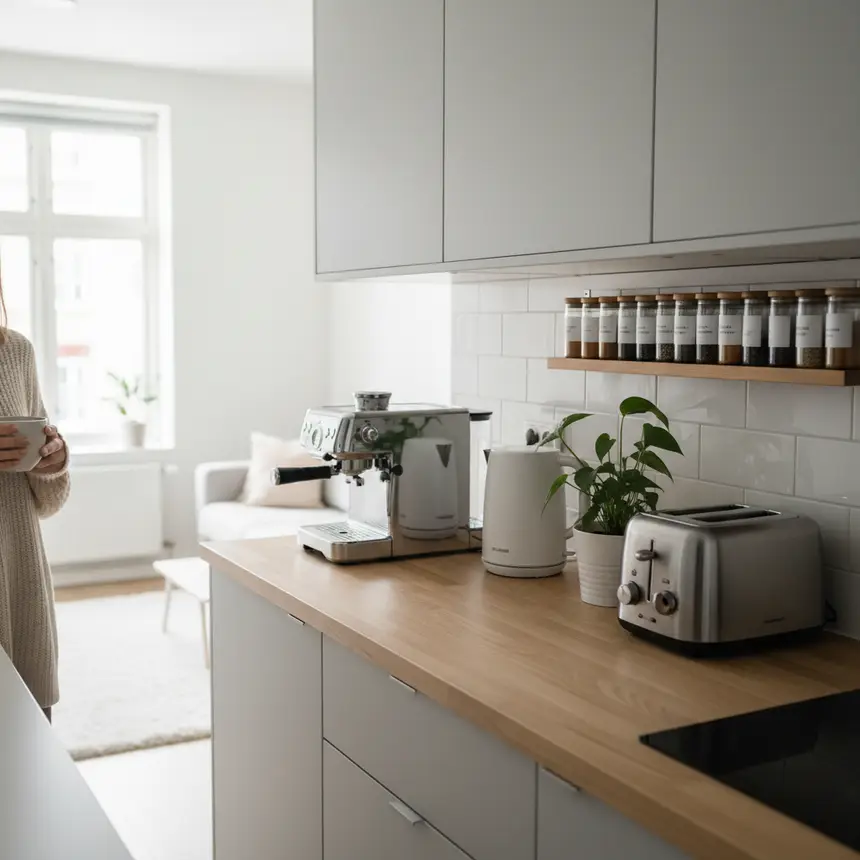
Practical Strategies for a Harmonious Home
With a clearer understanding of the challenges, it's time to implement actionable studio apartment decor strategies. Small, consistent changes collectively transform your living space into a serene retreat.
1. Optimize for Flow: Arrange your furniture based on how you naturally move and use your space. Imagine your daily path: waking up, moving to a desk, then to the kitchen. Ensure these pathways are clear and unobstructed. Keep frequently used items within easy reach, while less common items can be stored out of sight to maintain visual tranquility. A well-planned layout minimizes friction in your daily routine.
2. Embrace Multi-functional Furniture: Pieces that serve more than one purpose are invaluable in compact living. Think sofa beds, storage ottomans, or nesting tables. Under-bed storage containers are excellent for seasonal clothing or rarely used items. These versatile pieces help you maximize functionality without overcrowding, ensuring your space remains adaptable and neat.
3. Cultivate a "Less Is More" Mindset: Before bringing anything new into your apartment, make it a habit to assess your existing belongings. If you haven't used an item in six months or no longer feel a connection to it, consider letting it go. Decluttering reduces the need for excessive storage, simplifies cleaning, and creates a sense of spaciousness, both physically and mentally.
4. Establish a Cleaning and Organizing Routine: Even the most thoughtfully designed studio can quickly become disheveled without consistent upkeep. Dedicate just 10 minutes each day to tidying up your immediate surroundings, and set aside a specific time once a week for a deeper clean of a particular area. Small habits like washing dishes immediately after use, putting clothes away promptly, or returning items to their designated spots are the secret to maintaining a clean and inviting home.
Your studio apartment is more than just four walls; it's a reflection of your lifestyle and a foundation for your well-being. By applying these practical strategies, you can transform your space into a true sanctuary that nurtures both rest and productivity.
1. Optimize for Flow: Arrange your furniture based on how you naturally move and use your space. Imagine your daily path: waking up, moving to a desk, then to the kitchen. Ensure these pathways are clear and unobstructed. Keep frequently used items within easy reach, while less common items can be stored out of sight to maintain visual tranquility. A well-planned layout minimizes friction in your daily routine.
2. Embrace Multi-functional Furniture: Pieces that serve more than one purpose are invaluable in compact living. Think sofa beds, storage ottomans, or nesting tables. Under-bed storage containers are excellent for seasonal clothing or rarely used items. These versatile pieces help you maximize functionality without overcrowding, ensuring your space remains adaptable and neat.
3. Cultivate a "Less Is More" Mindset: Before bringing anything new into your apartment, make it a habit to assess your existing belongings. If you haven't used an item in six months or no longer feel a connection to it, consider letting it go. Decluttering reduces the need for excessive storage, simplifies cleaning, and creates a sense of spaciousness, both physically and mentally.
4. Establish a Cleaning and Organizing Routine: Even the most thoughtfully designed studio can quickly become disheveled without consistent upkeep. Dedicate just 10 minutes each day to tidying up your immediate surroundings, and set aside a specific time once a week for a deeper clean of a particular area. Small habits like washing dishes immediately after use, putting clothes away promptly, or returning items to their designated spots are the secret to maintaining a clean and inviting home.
Your studio apartment is more than just four walls; it's a reflection of your lifestyle and a foundation for your well-being. By applying these practical strategies, you can transform your space into a true sanctuary that nurtures both rest and productivity.
Frequently Asked Questions
Q. What's the most important decor element to consider first in a small studio apartment?
A. In compact spaces, furniture arrangement and flow are paramount. Before acquiring large furniture, it's wise to understand your apartment's layout and your daily habits to sketch an optimal furniture plan. Prioritizing vertical space utilization, such as wall areas or behind doors, for storage is also a smart initial step.
Q. Do you have tips for managing a studio apartment decor budget effectively?
A. Clearly distinguish between 'needs' and 'wants' and prioritize accordingly. Instead of buying everything at once, start with essential furniture and gradually add decorative items as your budget allows. Exploring second-hand markets or DIY furniture options can also be excellent ways to save money.
Q. What effective habits can help keep a studio apartment consistently tidy?
A. The habit of 'tidying up immediately after use' is crucial. Make it a routine to return items to their designated places right after using them, and dedicate about 10 minutes before bed to straighten up any disarray. Adopting a 'minimalism' principle by regularly decluttering unnecessary items will further enhance tidiness.