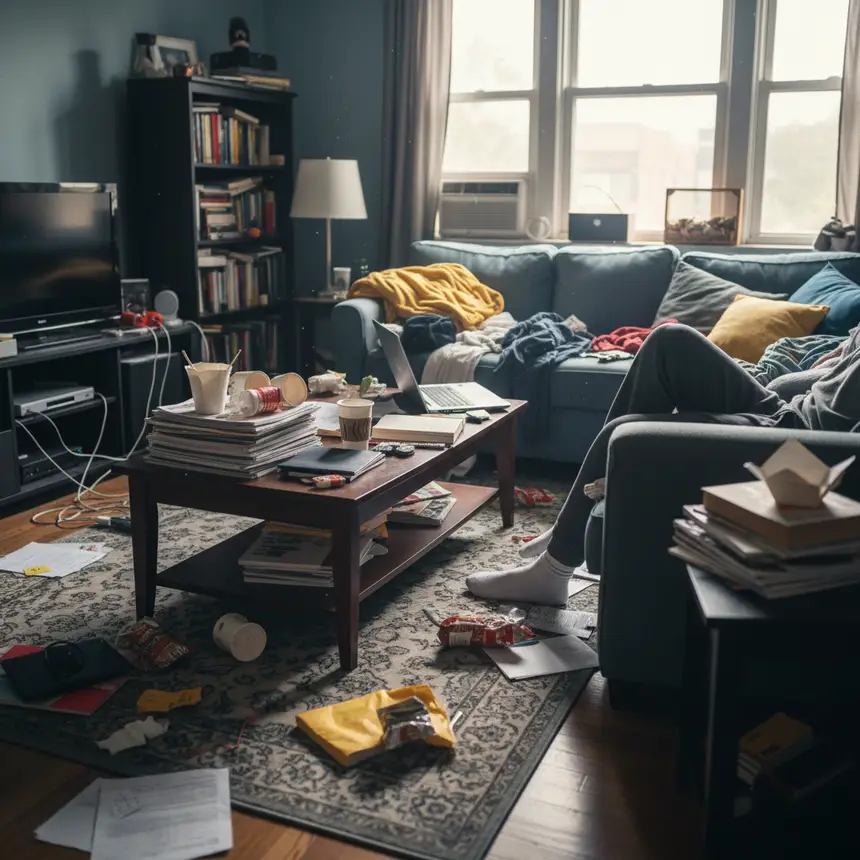
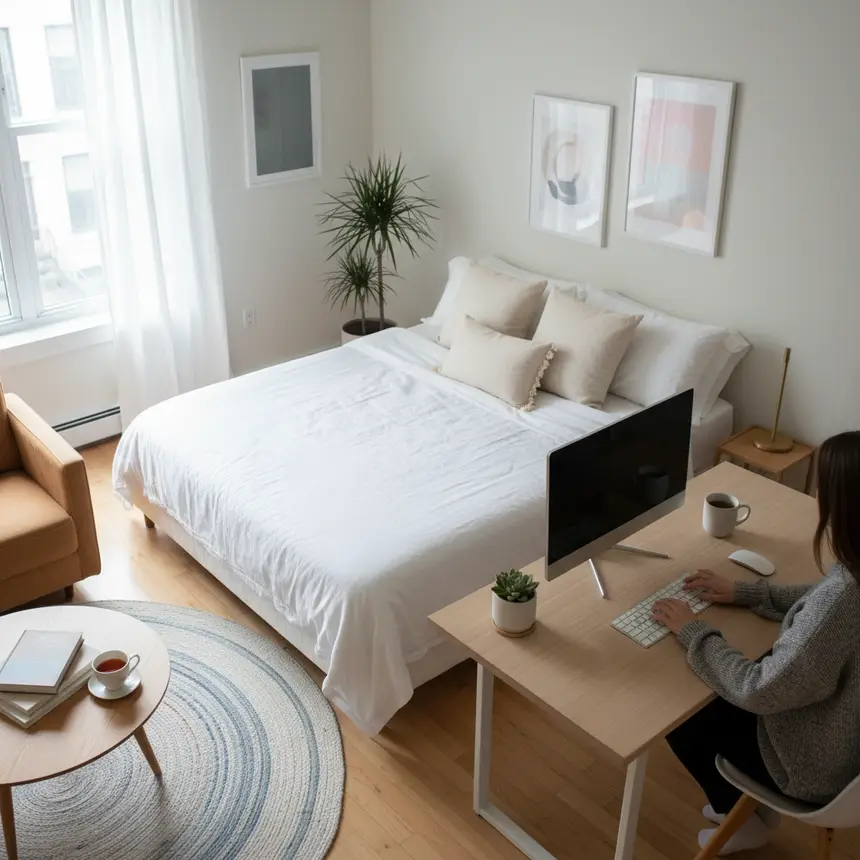
Struggling with solo living management? It might not be laziness, but a lack of systematic approach. Diagnose the root causes of recurring household chaos and discover practical organization habits and daily routines to make your living space clean and efficient. Experience big changes from small efforts.

Living Alone: Why Does It Always Feel Messy?
For many navigating the fast pace of modern life while living independently, a sense of disorganization and an ever-growing pile of chores can be a constant source of frustration. Returning home after a long day, instead of a sanctuary, you might be greeted by a cluttered space. It's easy to blame yourself, thinking you're just not disciplined enough. However, the truth is often less about laziness and more about a lack of systematic approaches to managing a solo household. If you constantly feel short on time and overwhelmed by domestic tasks, it's highly likely there are deeper, interconnected reasons behind the surface-level clutter. Let's explore practical strategies to transform your living space into a serene environment and reduce your daily stress.

The Real Reasons Behind Recurring Household Disarray
The challenges of managing a home when living alone often unfold like a chain reaction. While it might seem daunting just to start cleaning or tidying, the actual issues typically stem from various problems preceding that initial step. Here are some underlying reasons why your space might perpetually feel disorganized:
- Items without designated homes constantly accumulate: Whether newly acquired or existing, possessions tend to pile up when they lack a specific storage place or when the habit of returning them isn't established.
- Difficulty distinguishing between essentials and non-essentials: Holding onto items due to sentimental attachment or a vague hope of future use can lead to overflowing storage spaces.
- Overwhelming desire for perfect, all-at-once organization: Instead of starting with small, manageable tasks, the thought of a complete home overhaul can be paralyzing, preventing any action.
- Addressing only visible clutter without tackling root causes: Simply tidying surface messes or removing dust won't resolve underlying issues like inefficient storage or poor flow, leading to recurring problems.
- Absence of systematic daily maintenance routines: Without small, regular tidying habits or a weekly cleaning schedule, a small mess can quickly escalate into an unmanageable situation.
- Lack of prioritization in organizing: Uncertainty about where to begin or which items to discard first can make the task seem insurmountable.
- Hesitation in letting go of unused items: Clothes, decor, or forgotten hobbies that are no longer used can consume valuable space due to emotional attachment or a reluctance to discard.
- Insufficient practice in maintaining order amidst busy schedules: Failing to develop small habits or strategies to keep the home relatively tidy during a hectic week can result in all the burden falling on weekends.
- Temporary 'quick fixes' that worsen the problem: Shoving items into drawers haphazardly or stacking them in unseen corners might offer momentary relief but often leads to greater disorganization in the long run.
- Ultimately leading to chronic household burden and stress: These interconnected issues collectively contribute to an unending cycle of chores and psychological pressure related to one's living space. Recognizing these fundamental causes is the first crucial step toward a more manageable solo living experience.
※ This post contains affiliate links. I may earn a commission at no extra cost to you.


Systematic Strategies to Reduce Clutter
Addressing complex living challenges requires a step-by-step, systematic approach. Focus on building sustainable habits rather than striving for perfection. The key lies in assigning a 'home' to every item and developing a habit of decluttering.
- Assign a unique 'home' for every item: Whether it's a new purchase or an existing belonging, establish a dedicated storage spot for each item. The habit of returning things to their place after use significantly reduces disorder. For example, keep keys in a small basket on a shelf by the entrance and pens in a specific compartment of your desk drawer.
- Adopt a regular decluttering routine: Designate a specific day each week or month to declutter unused items. Be decisive about clothes you no longer wear, expired food, or forgotten hobby supplies. A good rule of thumb is: 'If you haven't used it in a year, chances are you won't.'
- Leverage the power of organizing small areas: Instead of attempting to organize an entire living room or kitchen at once, start with a small, manageable zone like your desk, a bedside table, or a single kitchen cabinet. These small victories build momentum and motivation for larger tasks.
- Integrate tidying naturally into your daily life: Link small organizing tasks with routine activities. For instance, wipe down the dining table while waiting for water to boil for coffee, or squeegee the shower after use. This helps redefine tidying as an integral part of living, not a chore.
- Prioritize essentials and minimize belongings: Identify what you truly use frequently and need, then practice keeping other items to a minimum. Decluttering directly correlates with creating more space and less visual noise.
- Create a management plan tailored to your lifestyle: Develop small, maintainable plans that fit your daily routine. This could be tidying your bedding for 5 minutes during your morning routine or spending 10 minutes tidying the living room before bed. Concrete action goals make implementation more achievable.

Smart Daily Routines for Consistent Maintenance
Managing a household can feel overwhelming because it's often perceived as a 'special event.' However, by embedding small routines into your daily life, you can maintain a comfortable environment without significant effort. Consider adopting these routines into your lifestyle:
- 5-minute morning tidy, 10-minute evening tidy: Begin your day by making your bed and opening windows for fresh air. Before ending your day, spend 10 minutes putting away items, clearing surfaces, and performing simple tidying tasks. These small habits cumulatively create significant positive changes.
- Establish a weekly cleaning schedule: Dedicate about an hour on one weekend day for focused cleaning. Tackle tasks like bathroom cleaning, floor sweeping, and recycling. This allows you to start the new week feeling refreshed. Assigning specific cleaning tasks to different days of the week can also be effective.
- The 'one in, one out' principle: When you buy a new item, commit to getting rid of a similar item. If you buy a new piece of clothing, donate or discard an old one; if you get a new mug, get rid of an old one. This prevents endless accumulation of belongings.
- Manage your digital spaces too: Regularly tidy your phone's photo gallery, computer desktop, and email inbox. Deleting unnecessary files and organizing them into clear folders is as crucial as physical space organization. Digital clutter can contribute to psychological stress.
- Seasonal item review and rotation: With each change of season, go through your wardrobe and storage areas. Put away items from the past season and bring out those for the upcoming one. Use this opportunity to declutter any items you no longer use. This maximizes space efficiency and helps you easily find what you need.

Sustainable Strategies for Ongoing Household Management
Managing your living space is not a sprint; it's a marathon. Consistency and finding methods that work for you are far more important than momentary perfection. Your goal should be 'stress-free living' rather than just a 'spotless home.' Celebrate small victories, and remember that it's okay if things aren't perfect all the time. The small changes you start today will accumulate, making your independent living space more comfortable and meaningful. By reframing household tasks not just as chores to 'solve' but as positive steps towards self-care and enhancing your quality of life, your overall well-being will flourish. Find your own rhythm, consistently practice, and enjoy the peace and satisfaction of living independently.
Frequently Asked Questions
Q. How can I find time to organize amidst a busy schedule?
A. When finding large blocks of time is difficult, utilize '틈새 시간' (niche times). Incorporate small routines like 5 minutes of bed-making in the morning, 1 minute to put things away before leaving, or 10 minutes of light tidying after work. Don't try to do everything at once; starting with small goals is more effective.
Q. It's really hard for me to discard items. What should I do?
A. Attachment to belongings is natural. However, try to differentiate between 'storage value' and 'use value.' If you haven't used an item in over a year, or if it only holds sentimental value without practical use, consider donating it where it might be useful to others, or simply letting it go. Focus on 'Do I need this now?' instead of 'It might be useful someday.'
Q. I organize with effort, but it gets messy again quickly, which discourages me.
A. This might be due to a lack of 'maintenance' habits after organizing. Establish a designated place for each item and get into the habit of returning it immediately after use. Also, if you have too many items, clutter can quickly reappear, so regular decluttering to maintain an appropriate quantity of belongings is important. Aim for 'a reasonably tidy state' consistently, rather than perfection.
Q. My living space is small. Are there any efficient storage solutions?
A. In small spaces, maximizing 'vertical space' is key. Utilize shelves, wall-mounted organizers, and behind-the-door storage to free up floor space. Using multi-functional furniture or storage under the bed are also good options. Most importantly, minimize unnecessary items to reduce the overall quantity of belongings.